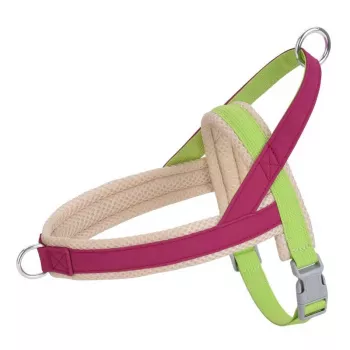
A good walk starts with gear that fits correctly, stays comfortable, and helps keep your dog visible when light changes. Our adjustable reflective dog harness is built for small and medium breeds that need a secure, everyday option for neighborhood strolls, training sessions, and quick potty breaks—without the neck pressure that can come with collar-only pulling. For more guidance, see Review of Collars, Harnesses, and Head Collars for Walking ….
Daily walks look simple, but they ask a lot from your gear. Our team focused on the basics that matter most when you’re heading out multiple times a day: For further reading, see Dog Harnesses – VITAL VET REVIEW.
The best harness is the one that fits your dog’s body shape and stays put when they move. To get there, start with one key measurement: girth (the widest part of the chest, just behind the front legs). Then set the harness so it’s snug, centered, and not creeping into the armpits.
| Check | What You Want to See | Fix If Needed |
|---|---|---|
| Chest straps | Two fingers fit under the strap; no pinching | Loosen slightly or reposition so the strap sits behind the front legs |
| Harness position | Centered on the chest/back; doesn’t slide to one side | Rebalance adjustments on left/right straps |
| Movement test | Your dog can sit, stand, and take a few steps freely | Check for tightness at the shoulder/armpit area |
| Leash attachment | Clips in smoothly; sits flat under tension | Re-clip and confirm buckles are fully closed |
| Post-walk check | No redness or hair wear where straps contact | Adjust fit and reduce friction points before the next walk |
Reflective material is at its best when it catches light—like headlights, bike lights, or a streetlamp. That extra “pop” can help drivers and cyclists spot your dog sooner in low light.
For broader walking safety basics, the ASPCA’s dog walking tips are a solid reference point.
Harnesses can make everyday walking feel smoother, especially for small and medium breeds that tend to dart, pull, or zig-zag. Instead of concentrating force at the neck, a harness spreads pressure more across the body, which can reduce strain during excited moments.
The American Kennel Club also shares helpful guidance on everyday walking gear choices: AKC harness information.
Use the two-finger rule under the main straps: snug enough that it won’t shift, but loose enough for full shoulder and leg movement. After your first walk, re-check the fit since straps can settle slightly.
Reflective details help when light hits them, but they work best as part of a safety mix. Pair the harness with a clip-on light or LED and choose well-lit routes whenever possible.
Start with correct sizing and adjustment, keep straps flat, and make sure the harness sits properly behind the front legs. Practice calm starts and avoid letting your dog move backward under leash tension.

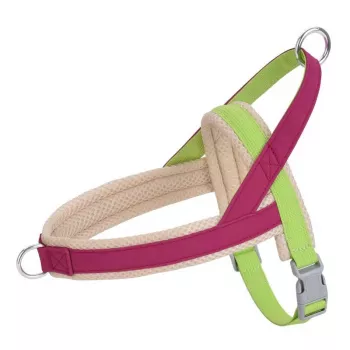
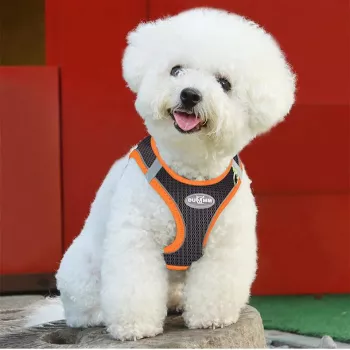
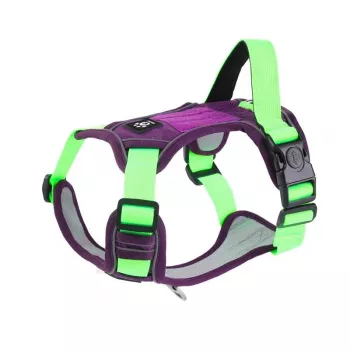

Leave a comment