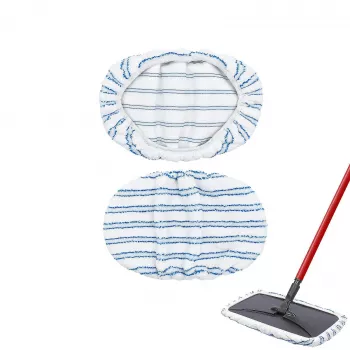
Reusable Microfiber Mop Pads for Wet & Dry Floor Cleaning (2-Pack): A Simple Upgrade for Everyday Floors
Clean floors feel better—barefoot, pet-friendly, and guest-ready—without making every spill a full production. Reusable microfiber mop pads are a straightforward swap for disposable refills: you can grab dust in dry mode, lift everyday grime in wet mode, then toss the pads in the wash and go again. Our team put together the practical basics below so you can get consistently better results with less waste and less hassle.
What “wet & dry” microfiber pads are built to do
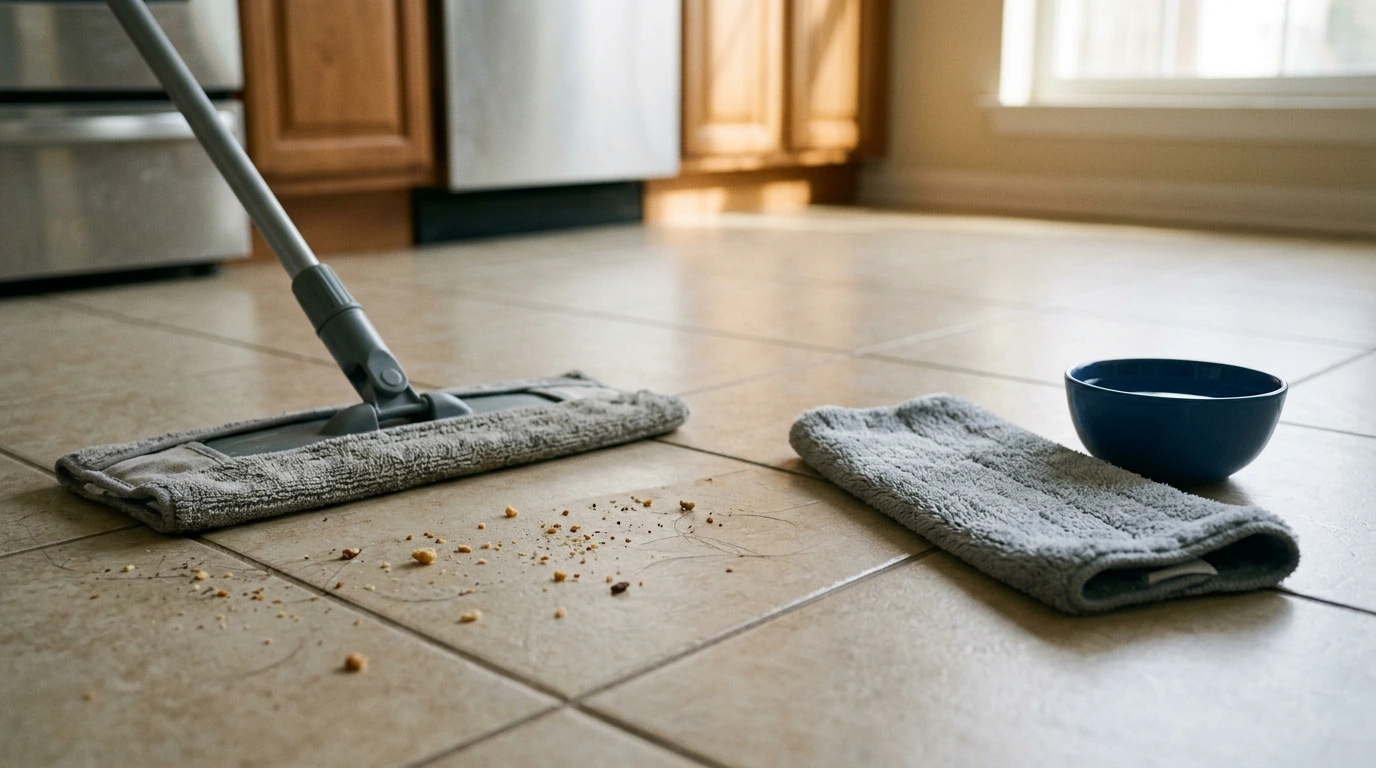
- Dry pickup: Microfiber fibers grab fine dust, crumbs, hair, and lint that brooms often push around.
- Wet cleaning: Pair with water or a floor-safe cleaner to lift smudges and stuck-on spots during routine mopping.
- Daily-ready convenience: With two pads, you can keep one dedicated to quick dry passes and one for damp/wet cleanups—especially useful in kitchens, entryways, and pet areas.
- Less waste over time: Reusable pads reduce reliance on disposable sheets and single-use refills.
Where reusable microfiber pads fit into a practical cleaning routine
Microfiber pads shine when you use them often in small doses—because most floors don’t need an intensive mop session every time a few crumbs appear. Here are the spots where you’ll usually notice the fastest payoff:
- Entryway reset: A fast dry pass picks up grit before it gets ground in and leaves micro-scratches over time.
- Kitchen maintenance: A light wet or damp mop around the sink, stove, and table edges helps keep splatter and footprints under control.
- Pet zones: Dry mop first to collect fur, then follow with a lightly damp pass for paw prints on hard surfaces.
- Between deep cleans: Keeps floors presentable without dragging out a bucket and heavy mop head.
Quick routine map: dry vs. damp vs. wet
| Task |
Best pad mode |
Suggested frequency |
Tips to make it easier |
| Dust + hair pickup (living room, halls) |
Dry |
Daily to 2–3x/week |
Use long, overlapping strokes; shake debris into the trash between rooms |
| Footprints and light smudges |
Damp |
2–3x/week |
Mist the pad lightly; avoid over-wetting wood/laminate seams |
| Sticky spots (kitchen, dining) |
Wet (spot focus) |
As needed |
Let cleaner dwell briefly, then scrub in small circles |
| All-over refresh after guests |
Damp to Wet (depending on floor type) |
Weekly |
Change pads when they look loaded to avoid streaking |
What to expect on common floor types
- Tile and stone: Microfiber is great for grabbing fine dust from grout lines. Use damp/wet as needed, then let the floor air-dry.
- Vinyl and LVP: Excellent for everyday dust and footprints. Skip harsh chemicals that can dull finishes.
- Laminate: Aim for damp—not soaking wet. Excess water can work into seams and cause swelling over time.
- Sealed hardwood: Use a barely damp pad and a wood-safe cleaner, and never leave standing moisture behind.
How to use microfiber pads for better results (and fewer streaks)
- Start dry when floors are dusty: Removing grit first prevents muddy streaks when you add moisture.
- Use the right amount of liquid: On many surfaces, damp-cleaning looks better than a very wet mop because it dries faster and leaves less residue.
- Work in sections: Clean a small area, check the pad, and swap it out when it’s visibly loaded so you’re not re-spreading grime.
- Handle spills smart: Blot big spills with a towel first, then wet-clean the residue. This keeps the pad from saturating immediately.
- Finish with airflow: A fan or cracked window helps floors dry evenly and reduces streaking.
Care and reuse: keeping microfiber effective wash after wash
- Rinse first when needed: A quick rinse removes grit that can wear fibers down and potentially scratch more delicate finishes.
- Wash with mild detergent: Skip fabric softener—it can coat microfiber and reduce pickup performance.
- Separate heavy lint loads: Washing microfiber with towels can load it up with lint. Washing with similar materials helps it stay “grabby.”
- Air dry or low heat: High heat can shorten microfiber lifespan; low heat or air drying is gentler.
- Retire pads strategically: When a pad is past its prime for floors, keep it as a “utility pad” for garages, patios, or other messier jobs.
A small pack that stays useful
Worth knowing: waste reduction and safe cleaning basics
Reusable microfiber can cut down on disposable cleaning waste over time, especially if you’re currently going through single-use sheets for quick pickups. For broader guidance on reducing cleaning waste, you can reference the U.S. Environmental Protection Agency (EPA). For general household cleaning and disinfecting considerations, the CDC offers widely used baseline recommendations—helpful when you’re deciding whether you need routine cleaning or a disinfecting step.
FAQ
Can reusable microfiber mop pads be used with floor cleaners?
Yes—use a cleaner that’s appropriate for your floor type (tile, vinyl, sealed wood) and use only as much solution as needed to prevent over-wetting. Avoid harsh chemicals that your flooring manufacturer doesn’t recommend.
How often should microfiber mop pads be washed?
Wash after visibly dirty jobs or whenever pickup performance drops. For many homes, that means washing after each wet clean and after a couple of dry passes, depending on debris levels and pets.
Do microfiber pads work for pet hair?
They can, especially in dry mode, because microfiber grabs hair and dander instead of pushing it around. For heavy shedding, vacuuming first followed by a dry mop pass usually leaves the cleanest finish.
Recommended for you


Leave a comment