
The healthiest non-stick pan is one you can use comfortably without overheating or damaging its cooking surface. Ceramic-coated pans are a practical choice if you want to avoid PTFE, the material used in many conventional non-stick coatings. A quality PTFE-coated pan can also be used safely when you follow its temperature and care instructions.
There is no single coating that makes every meal healthier. How much oil you use, what you cook, and how you care for the pan all matter. Our team recommends choosing a pan that fits your cooking habits rather than relying on a health claim alone.
Ceramic-coated pans offer a slick surface without PTFE. They work well for eggs, pancakes, and other foods cooked over low to medium heat. Their non-stick performance can diminish over time, particularly with high heat or abrasive cleaning.
PTFE-coated pans are often easy to release and clean, making them useful for delicate foods. Avoid preheating them empty or using them over high heat: overheated PTFE coatings can release fumes that cause flu-like symptoms in people and can be dangerous to pet birds. Follow the manufacturer’s stated temperature limit, including for oven use.
Both types benefit from silicone, nylon, or wooden utensils and gentle handwashing. Replace a coated pan when its surface is peeling, deeply scratched, or no longer releases food reliably.
Yes. Stainless steel, cast iron, and carbon steel have no non-stick coating to wear away. Cast iron and carbon steel develop a seasoned surface with use, while stainless steel can release food well with suitable heat and a little oil. They may require more practice than a coated pan, but they can be durable choices for everyday cooking.
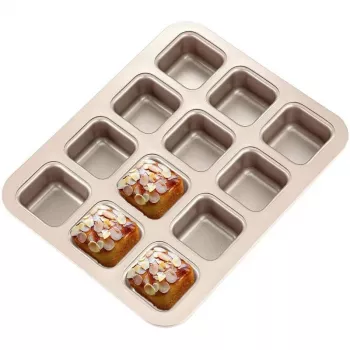
For muffins and other baked goods, a non-stick pan can make release and cleanup easier. Use nonmetal utensils when removing baked goods, and stay within the pan’s oven temperature limit. Paper liners are another way to help with release while protecting the surface.
For more baking guidance, see our guide to a 12-cup square non-stick muffin pan.
You can, but some sprays may leave a sticky residue that builds up over time. A small amount of oil or butter is an alternative; follow the pan manufacturer’s care instructions.






Leave a comment