Makeup Sponge Allergy: Causes, Symptoms, Prevention
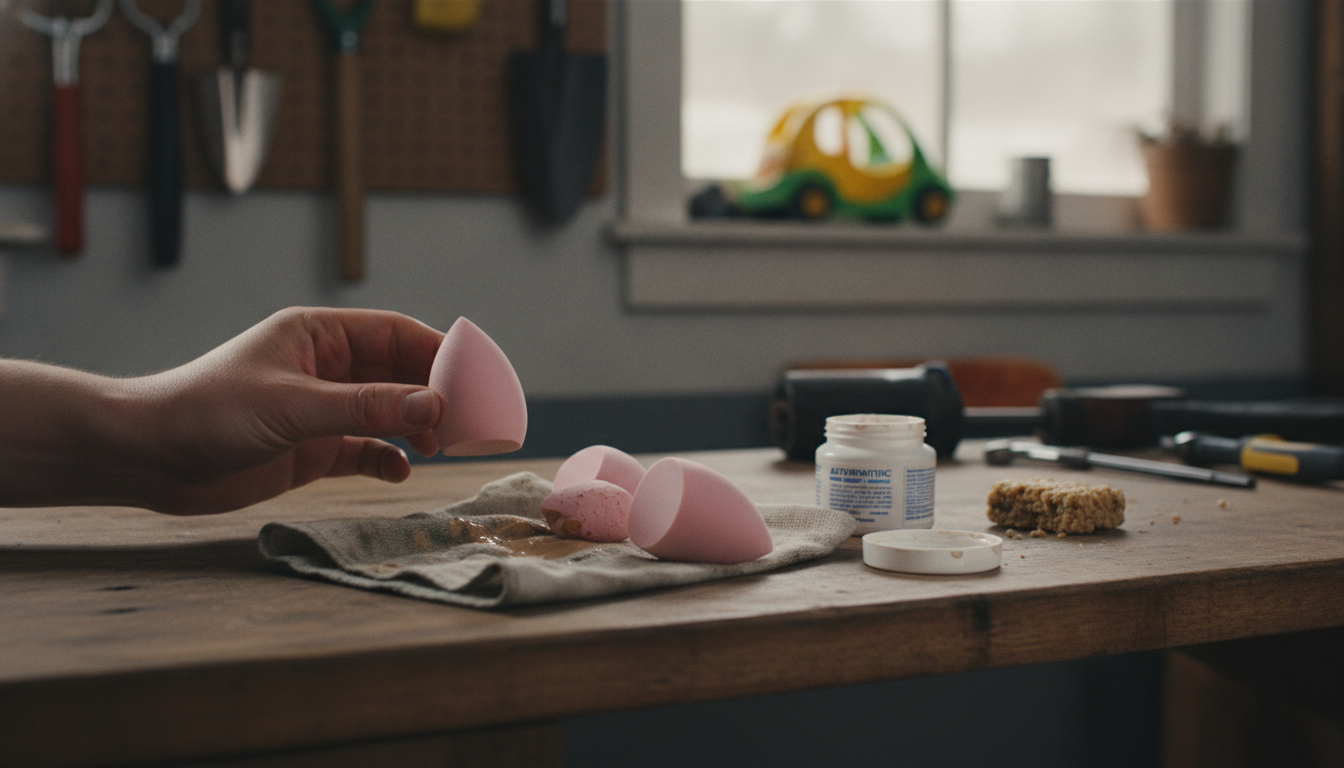
Can you be allergic to makeup sponges?
Yes. It’s possible to have an allergic reaction to a makeup sponge, especially if your skin is sensitive or the sponge contains materials or residues that irritate you. Reactions can also come from what the sponge holds onto over time—like leftover foundation, fragrance, cleanser, or even mold from damp storage.
What causes allergic reactions to makeup sponges?
Makeup sponges are often made from latex-free foam, but “latex-free” doesn’t automatically mean “allergy-proof.” Some people react to certain foams, dyes, adhesives, or preservatives used during manufacturing. More commonly, symptoms are triggered by buildup: old makeup, skincare products, or bacteria trapped inside the sponge and pressed repeatedly into the skin.
If your sponge stays damp in a closed bag or bathroom, it can become a breeding ground for microorganisms. That can lead to irritation or an acne-like rash that feels similar to an allergy.
Common symptoms to watch for
Allergic or irritant reactions can show up where the sponge touches most—cheeks, chin, nose, and under-eyes. Signs may include redness, itching, burning, swelling, dryness, flaking, small bumps, or hives. If you notice stinging immediately after applying makeup with a sponge, stop using it and rinse the area with lukewarm water.
How to reduce the risk
Start by swapping to a fresh sponge and cleaning it correctly. Wash sponges with a gentle, fragrance-free cleanser, rinse thoroughly, and let them dry fully in open air. Replace them regularly—especially if they develop a smell, discoloration, or a texture that feels slimy or rough.
If reactions keep happening, try applying makeup with clean brushes or freshly washed hands and patch-test any new product. For persistent swelling, worsening rash, or trouble breathing, seek medical care promptly.
Learn more
For deeper details on causes, symptoms, and prevention, read the full guide here: https://unitare.com/can-you-be-allergic-to-makeup-sponges/.
FAQ
How often should you replace a makeup sponge?
Replace it every 1–3 months with regular use, sooner if you use it daily or can’t fully clean it. Any musty odor, visible staining, or repeated skin irritation is a sign to toss it right away.













Leave a comment