Best Training Treats for Small Dogs: Size, Taste, Calories
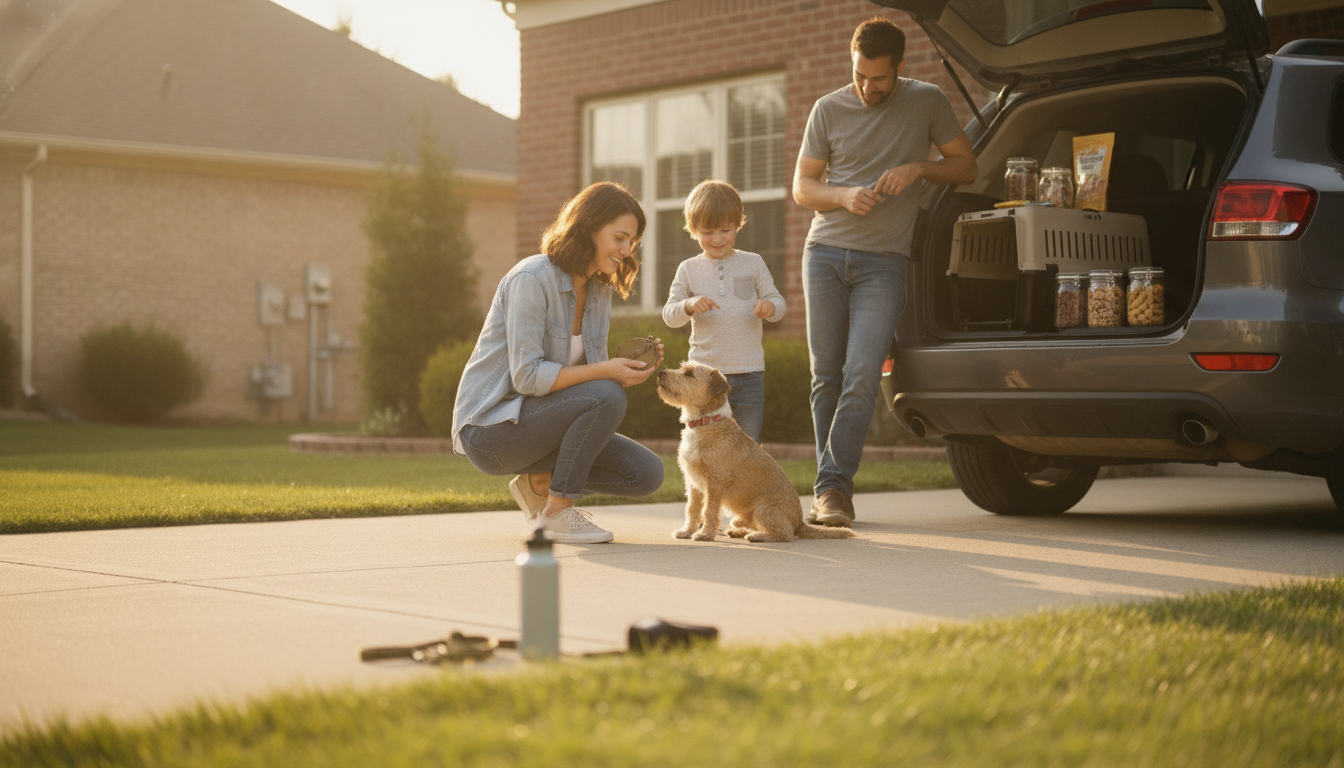
What are the best training treats for small dogs?
The best training treats for small dogs are tiny, soft, and high-value treats that can be eaten in a second or two without interrupting the lesson. Since small breeds fill up quickly, the ideal option is low-calorie per piece, easy to break into even smaller bits, and enticing enough to keep attention during distractions.
Choose small, soft treats for fast rewards
For most small dogs, soft treats work better than crunchy ones because they’re quicker to chew and swallow. That speed matters when practicing rapid cues like “sit,” “touch,” or leash skills—your dog gets immediate feedback and stays engaged. Look for mini training treats (pea-sized or smaller) or soft jerky-style pieces that can be pinched into crumbs.
Prioritize high-value flavors—especially for picky eaters
Small dogs can be selective, so rotate a few high-value flavors such as chicken, salmon, turkey, or beef. Stronger-smelling treats often perform better outdoors or around other dogs. If your dog loses interest mid-session, switch to a “special” treat reserved only for training to make rewards feel extra meaningful.
Keep calories and ingredients in check
Because little dogs need fewer calories overall, treat size and label math matter. Choose options with simple ingredients and a clear calorie count, and plan to reduce meal portions slightly on heavy-training days. Treats made with real meat as a primary ingredient tend to be more motivating, while excessive fillers can add calories without boosting reward value.
Use safe human-food options when appropriate
Many small dogs do great with tiny training nibbles of plain cooked chicken, turkey, or small bits of cheese—used sparingly due to richness. Avoid anything toxic like onions, garlic, grapes/raisins, and xylitol-sweetened products.
For more treat types, sizing tips, and what to look for on labels, visit the full guide: https://unitare.com/what-are-the-best-training-treats-for-dogs/.
FAQ
How many training treats should I give my small dog per day?
Aim to keep treats to about 10% or less of daily calories, using tiny pieces so your dog can earn many rewards without overeating. If you’re doing lots of reps, use smaller bits and subtract a little from meals to balance the day.













Leave a comment