Quiet Smart Air Purifier for Large Rooms (HEPA + Carbon)
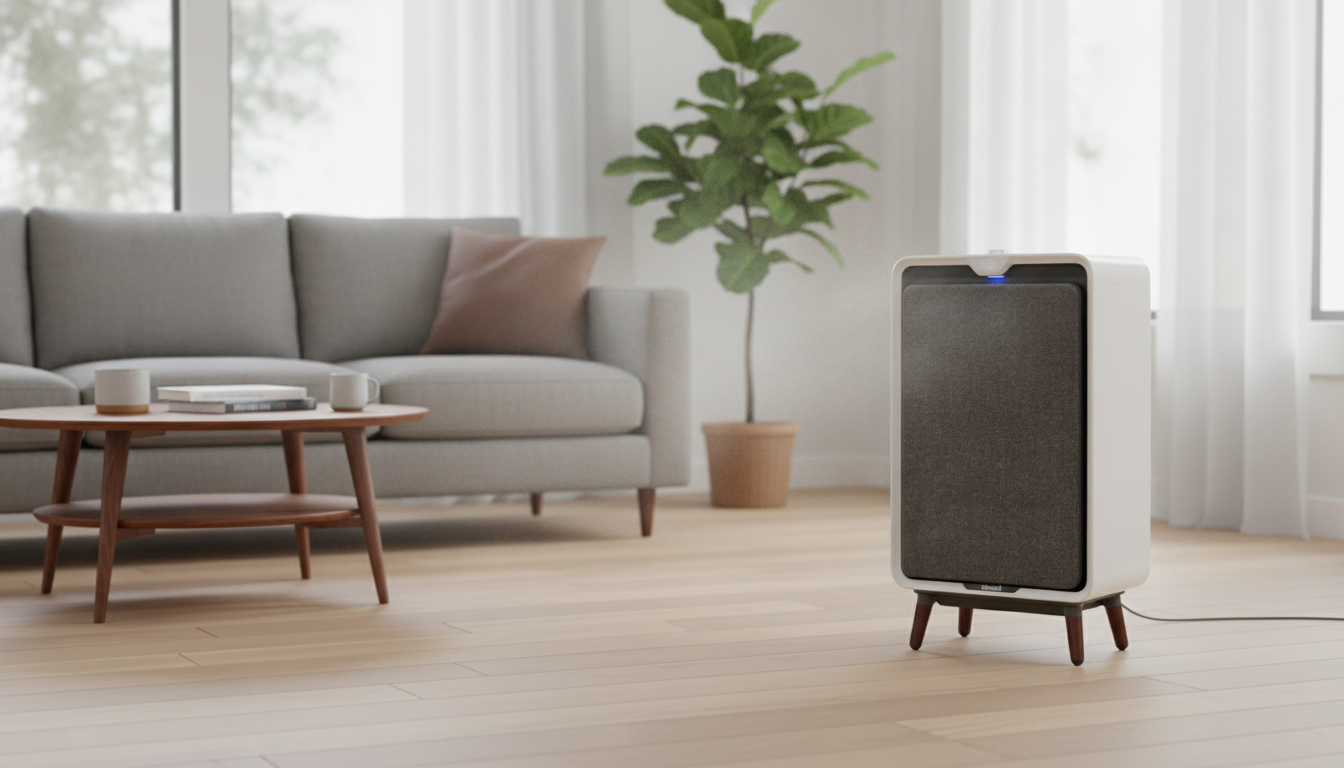
Smart Air Purifier with HEPA and Carbon Filters for Large Rooms: Quiet, Connected Air Cleaning
A large-room air purifier needs to do more than move air fast—it should capture fine particles, reduce odors and gases, and run quietly enough for sleep and everyday living. The most practical setup for many homes is a combined HEPA + activated carbon system paired with smart controls, so the purifier can respond to real air conditions without constant manual tweaking. Below is a clear breakdown of what to expect, how to place a unit for stronger results, and how to keep performance consistent over time.
What a HEPA + Carbon Purifier Improves at Home
HEPA and activated carbon filters solve different indoor air problems, which is why pairing them in one purifier is so effective in large, busy rooms.
- Fine particles: HEPA filtration targets airborne particulates such as dust, smoke, pollen, and pet dander (performance depends on filter grade and seal). If a purifier seals well around the filter and maintains steady airflow, it can noticeably reduce “floating” dust and seasonal irritation triggers.
- Odors and gases: activated carbon helps reduce cooking smells, pet odors, and some household VOCs; thicker carbon typically lasts longer. Carbon is especially helpful in shared spaces where odors tend to linger (kitchens connected to living rooms, pet areas, entryways).
- Everyday comfort: cleaner air can mean less lingering odor, less visible dust settling, and improved perceived freshness—especially in high-traffic rooms. Results are usually best when the purifier runs consistently rather than only after the air already feels “stale.”
How Smart Controls Help Keep Air Cleaner With Less Effort
Smart features are most valuable when they reduce micromanagement. Instead of manually adjusting speeds all day, the purifier can handle the routine while still giving you visibility into what’s happening.
- Auto mode: adjusts fan speed based on detected air quality, helping avoid running at full power when it isn’t needed.
- Scheduling: supports predictable routines (quiet overnight operation, higher airflow during cooking hours). This is useful in homes where mornings and evenings are the messiest air periods.
- Real-time air quality feedback: makes it easier to identify triggers like candles, frying, vacuuming, or open windows. Once you spot a pattern, you can pre-boost airflow before the air gets uncomfortable.
- Filter-life reminders: help maintain performance by prompting timely replacements instead of guesswork—important for carbon filters, which can saturate before they look “dirty.”
Room Size, Air Changes, and Placement That Actually Works
Large-room performance depends on matching the purifier’s capacity to the space and giving it room to breathe. An undersized unit often ends up stuck on high speed, which can mean more noise and less consistent results.
- Match the purifier to the room: larger spaces need higher clean-air delivery; undersizing often leads to constant high fan noise and weaker results.
- Aim for multiple air passes per hour: in bedrooms and living rooms; higher is helpful during smoke events or allergy season. If your home faces periodic outdoor haze, being able to step up airflow for a few hours matters.
- Place the unit where airflow is unobstructed: keep several inches of clearance around intakes and outlets; avoid pushing it into corners or behind furniture.
- For open floor plans: focus on the main occupancy zone and keep doors open if the purifier is expected to help adjacent areas.
Quick Setup Checklist for Better Performance
| Goal | What to Do | Common Mistake to Avoid |
|---|---|---|
| Reduce dust and pollen | Run consistently on auto or a steady medium setting | Only running it for short bursts |
| Reduce cooking odors | Boost fan speed during and after cooking; keep the unit near (not on) the kitchen edge | Placing too far away from the odor source |
| Sleep-friendly use | Use night mode or low fan; position away from the bed but with clear airflow | Blocking the intake with curtains/nightstands |
| Long-term efficiency | Replace filters on schedule; keep pre-filters clean if applicable | Waiting until airflow drops noticeably |
Quiet Operation: What ‘Quiet’ Means in Daily Life
Filter Care and Replacement: Keeping Performance Consistent
For more general guidance on air cleaners and filtration, see the EPA’s Guide to Air Cleaners in the Home. For broader indoor air quality and airflow fundamentals, the ASHRAE Indoor Air Quality resources are a helpful reference point.
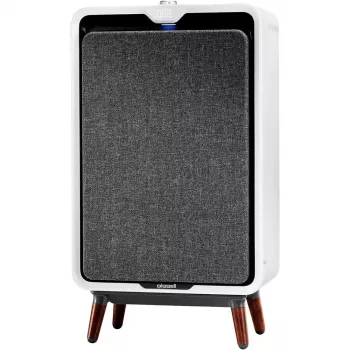
Product Spotlight: Smart Air Purifier with HEPA and Carbon Filters for Large Room, Quiet Home Cleaner
If you want large-room coverage with both particle capture and odor reduction, the Smart Air Purifier with HEPA and Carbon Filters for Large Room, Quiet Home Cleaner is built around the essentials that matter day to day:
For pet households, pairing consistent air cleaning with cleaner feeding areas can also help reduce tracked debris around high-traffic spots. An easy add-on is the Elevated Ceramic Pet Bowl with Solid Wood Stand, which can make daily cleanup simpler in the same rooms where you’re trying to keep dust and dander under control.
Who This Type of Purifier Fits Best
FAQ
Does a HEPA + carbon air purifier help with smoke and cooking odors?
Yes. HEPA captures fine particles from smoke, while activated carbon helps reduce odors and some gases that cause “smell.” During heavier smoke or frequent frying, higher fan speeds may be needed, and carbon filters may require replacement sooner.
How often should the HEPA and carbon filters be replaced?
Many homes replace filters every several months to about a year depending on runtime and conditions. Use the filter-life indicator as a baseline, but replace sooner if odors return quickly (carbon saturation) or if airflow seems reduced even after basic pre-filter cleaning.
Where should an air purifier be placed in a large room for best results?
Place it where intake and outlet airflow are clear, with several inches of space around the unit and minimal furniture blocking it. In open plans, aim it toward the main living area and avoid tight corners that restrict circulation and can make the purifier seem noisier.









Leave a comment