Mini Turbine Fan Uses: Clean, Dry & Cool Anywhere
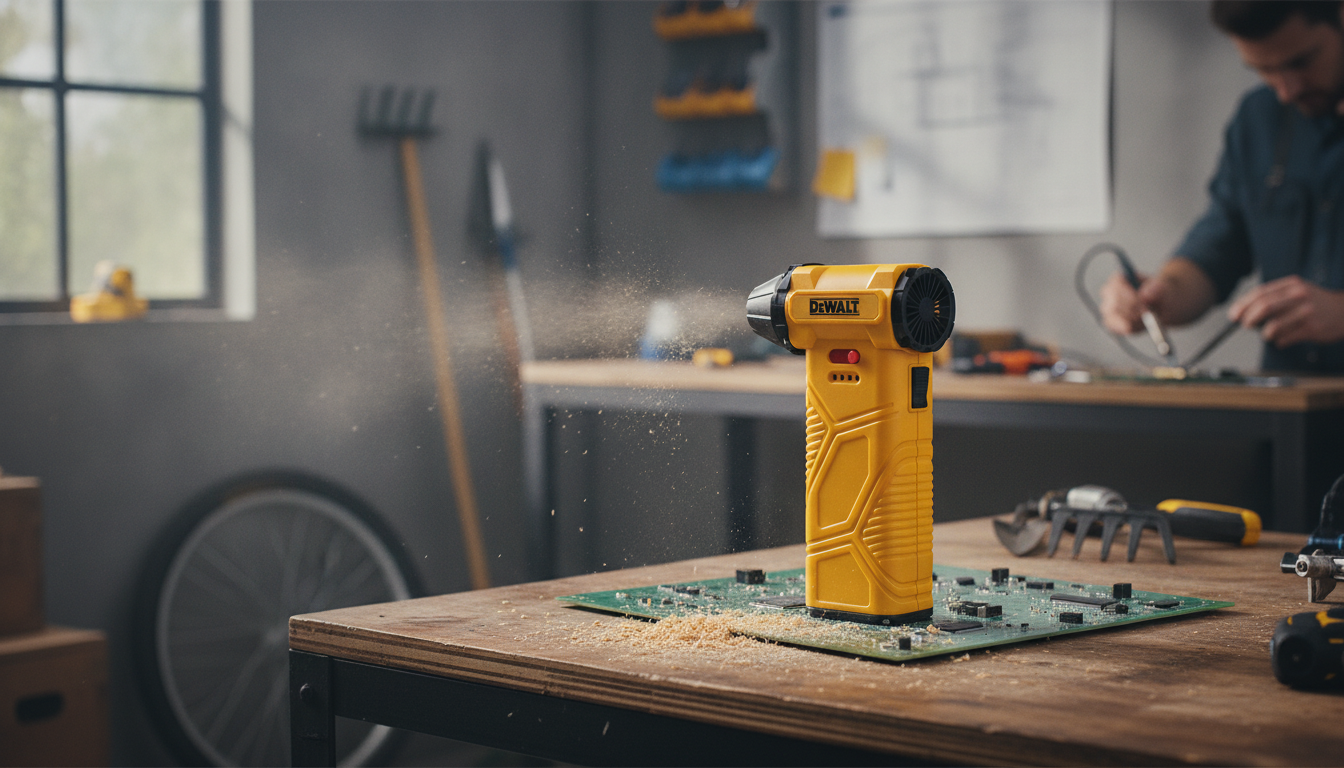
Mini High-Speed Brushless Turbine Fan for Cleaning, Cooling & Outdoor Use
A compact brushless turbine fan can do more than move air—it can clear dust from tight spaces, speed up drying after cleaning, and provide a focused cooling breeze outdoors. The key is controlled, high-speed airflow that reaches into crevices without the bulk of a full-size blower. Below are practical ways to use a mini turbine fan day to day, plus handling tips to help protect delicate surfaces when you’re working around grit, dust, and electronics.
What a Brushless Turbine Fan Does Differently
Compared with basic blowers, a brushless turbine-style fan is designed for efficient high-RPM operation with reduced motor wear from friction points that affect brushed designs. The turbine-style outlet also concentrates airflow into a more directed stream, which is especially useful when you’re aiming into vents, corners, rails, and narrow seams.
- Brushless motor design supports efficient, high-RPM airflow with less wear over time.
- Turbine-style airflow focuses the stream for targeted blasting into crevices and vents.
- Great for quick dusting, drying, and spot cooling where a bulky blower is inconvenient.
- Portable format suits car interiors, keyboards, small tools, camp gear, and patio setups.
Everyday Cleaning Uses (Indoors and in the Garage)
High-speed airflow is most helpful when wiping alone can’t reach, or when vacuuming first would grind debris across a surface. The best results usually come from a “blow, then capture” routine: loosen debris with short bursts, then collect it with a vacuum or microfiber cloth.
- Electronics and desks: blow debris out of keyboard gaps, around ports, and from PC case filters (power off first) without scraping surfaces.
- Car detailing: clear crumbs and dust from seat rails, cup holders, vents, and console seams before wiping.
- Workshop cleanup: push sawdust off benches and tool handles into a pile for vacuuming.
- Bathroom and kitchen: speed up drying in sink edges, grout lines, and around faucet bases after wiping.
- Plant care: remove dry soil crumbs from pots and saucers using gentle bursts to avoid scattering soil.
Quick cleaning targets and handling tips
| Area | Goal | Best practice | Avoid |
|---|---|---|---|
| Keyboards & laptops | Dislodge crumbs and dust | Short bursts at an angle; power off; hold device steady | Directing airflow into open fans while powered; soaking with liquids |
| Car vents & console seams | Clear lint and grit before wiping | Use a narrow aim; follow with microfiber wipe | Blasting loose items deeper into gaps |
| Tool benches | Move fine debris into a pile | Work from back to front; finish with vacuum | Aiming at eyes/face; spreading dust across the room |
| Window tracks | Clear sand and leaves | Aim along the track length; wipe after | Forcing grit against delicate seals |
For grime or sticky residue, airflow isn’t a substitute for cleaning and disinfecting—use appropriate cleaning steps and allow dwell time where needed. The CDC’s general guidance on cleaning and disinfecting offers a helpful baseline for routine surfaces: CDC — Cleaning and Disinfecting Your Facility.
Cooling and Comfort: Focused Air Where It Matters
Because the airflow is concentrated, a mini turbine fan can deliver noticeable relief without trying to cool an entire room. Think of it as targeted comfort—useful outdoors, at a desk, or during short breaks.
- Personal cooling outdoors: direct airflow toward face/neck during walks, patio time, or sports sidelines.
- Post-workout cool-down: quick airflow can reduce the sticky feeling after exercise (not a substitute for hydration).
- Hot spots indoors: aim at your desk area rather than trying to cool the whole room.
- Gear cooling: help cool small electronics after use by moving warm air away (keep a safe distance and avoid vents with active fans).
Outdoor Utility: Drying, Dusting, and Camp Convenience
Outdoors, a compact blower is most valuable for surface water, dry debris, and sand that clings to gear. The trick is to work in controlled passes so you don’t just relocate the mess into a zipper, hinge, or corner.
Safe Use Around Delicate Surfaces
For jobs that kick up fine dust, basic workplace-style eye protection guidance is a good reference point: NIOSH — Eye Safety (Workplace Eye Protection).
Getting the Best Results: Technique Checklist
Product Spotlight
If you want targeted airflow for tight spaces and on-the-go tasks, the Mini High-Speed Brushless Turbine Fan for Cleaning, Cooling & Outdoor Use is built for strong, directed bursts that fit into real routines—car detailing, desk cleanup, patio comfort, and travel-ready drying.
Mini High-Speed Brushless Turbine Fan at a glance
| Item | Details |
|---|---|
| Product | Mini High-Speed Brushless Turbine Fan for Cleaning, Cooling & Outdoor Use |
| Price | 56.51 USD |
| Stock status | In stock |
| Product page | View product |
- 23-Piece Professional Makeup Brush Set for gentle, precise dusting on textured surfaces before (or after) a quick burst of air.
- Elevated Ceramic Pet Bowl with Solid Wood Stand for a tidy hydration station on patios or camping setups where you’re already managing dust and debris.
Care and Storage
FAQ
Can a high-speed turbine fan replace canned air for cleaning?
It can handle many everyday dusting jobs with reusable airflow and no propellant residue, especially for keyboards, vents, and tracks. Use short bursts and start at a safe distance to avoid driving grit into seams or scattering debris.
Is it safe to use on electronics like keyboards or PC cases?
Yes, with precautions: power devices off and unplug them, avoid spinning internal fans with airflow, and use gentle bursts at an angle. Finish by wiping with microfiber or vacuuming loosened dust so it doesn’t resettle.
What’s the best way to use it for drying after cleaning or rain?
Wipe first, then use moving passes of airflow to chase moisture out of edges, seams, and corners. It’s effective for surface drying, but it doesn’t replace full drying time for soaked materials.
















Leave a comment