Bling Rhinestone Dog Collars: Fit, Comfort & Care
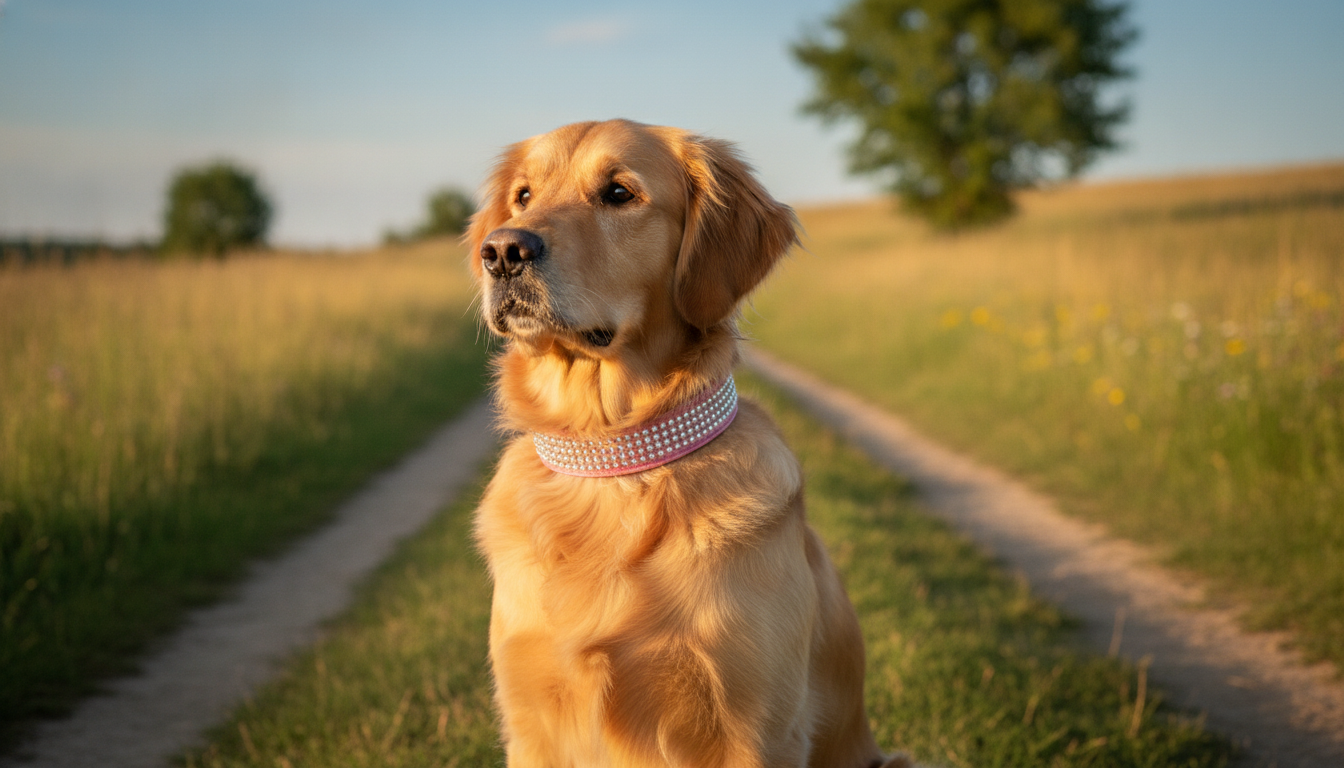
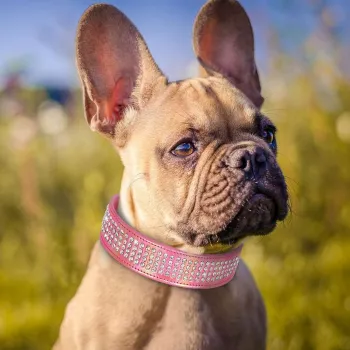
Bling Rhinestone Dog Collar for Medium and Large Dogs
A rhinestone collar can add a polished, dressy look while still functioning as everyday gear—provided it fits correctly, feels comfortable, and holds up to real walks. Medium and large dogs benefit most when the collar stays stable on the neck, doesn’t pinch, and uses sturdy hardware that can handle normal leash pressure (or at least securely carry ID). Below are practical sizing steps, comfort and safety checks, care tips, and guidance on when a bling collar makes the most sense.
What Makes a Rhinestone Collar Worth Wearing
The main draw is simple: rhinestones catch light and instantly elevate your dog’s look for photos, events, and daily outings. A good bling collar, however, earns its place by doing the basics well—sitting securely, allowing normal breathing and swallowing, and avoiding rub spots along the neck.
Rhinestone collars are especially popular for neighborhood walks, quick training refreshers, casual wear, and special occasions like weddings, birthdays, or holiday photos. The tradeoff is durability in rough environments: heavy hiking, constant water exposure, or intense dog-to-dog play can shorten the life of decorative finishes and may loosen stones over time.
If you’re shopping for a style-forward option made for bigger neck sizes, consider the Bling Rhinestone Dog Collar for Medium and Large Dogs for an easy way to add sparkle without overcomplicating your everyday setup.
Getting the Right Fit for Medium and Large Dogs
Fit is the difference between “cute accessory” and “collar that causes discomfort.” Start by measuring neck circumference with a flexible tape where the collar will sit—usually the mid-neck area, not the widest point near the shoulders. If you don’t have a tape, use a string and measure it against a ruler.
- Use the two-finger rule: two fingers should slide comfortably between the collar and your dog’s neck without forcing.
- Account for coat: fluffy coats compress, so measure with your dog’s coat in its normal condition (not freshly bathed and blow-dried, and not after an unusually close grooming session).
- Check movement: the collar shouldn’t rotate excessively or slide toward the ears when your dog shakes.
- Recheck regularly: seasonal coat changes and weight shifts can change sizing faster than you’d think.
Quick Fit Check Before First Wear
| Check | What to Look For | Adjust If Needed |
|---|---|---|
| Breathing & swallowing | No coughing, gagging, or noisy breathing | Loosen by 1 notch or resize up |
| Two-finger space | Two fingers fit without forcing | Too tight: size up; too loose: size down |
| Skin & coat contact | No pinching; hair not snagging at edges | Smooth edges, reposition, or try different style |
| Buckles and hardware | Sits flat; no sharp points touching skin | Replace if hardware irritates or shifts |
| Walk test | Dog moves normally; collar stays stable | Adjust position/fit; avoid overly heavy tags |
Comfort, Durability, and Safety Details to Look For
On medium and large dogs, comfort issues can compound quickly because the collar is wider, the hardware is larger, and the dog’s stride creates more movement. Look for details that protect the skin and keep the collar stable.
- Edges and backing: a smooth lining reduces friction and helps prevent hotspots, especially on short-haired breeds.
- Weight and bulk: decorative collars shouldn’t feel stiff or heavy; a lighter feel is usually more wearable for longer stretches.
- Hardware strength: sturdy D-rings and secure attachment points matter even if the collar’s main job is holding ID.
- Rhinestone setting: stones should be firmly seated; loose stones can snag fur, sweaters, or blanket fabric.
- Skin sensitivity: if redness appears, pause use and switch to a softer everyday collar until the skin returns to normal.
- Leash use note: for strong pullers, a harness is often more comfortable for leash attachment while the bling collar handles ID and style.
For additional collar safety guidance, review the general recommendations from the American Kennel Club and identification best practices from the ASPCA.
When to Choose a Bling Collar (and When Not To)
A rhinestone collar is a great match for calm walkers, social dogs, photo-friendly outings, and dogs that already tolerate collars well. It’s also helpful when you want your dog to look “event-ready” without adding clothing that could overheat them.
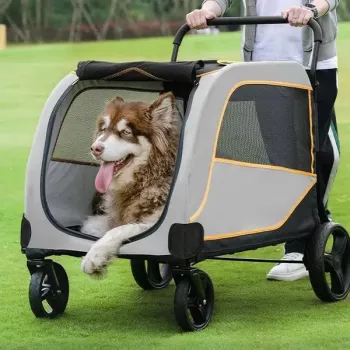
If your dog needs a break during longer days out—like festivals, downtown strolls, or outdoor markets—a mobility option can keep things comfortable while preserving the dressed-up look. For bigger pups, the Luxury Large Dog Stroller can be a practical add-on for extended outings.
Care Tips to Keep Rhinestones Bright
Style Pairings for Outings and Photos
For a clean “ready for photos” routine at home, keeping food and water stations stable can help reduce mess on the chest and neck area right before you head out. An elevated option like the Elevated Ceramic Pet Bowl with Solid Wood Stand can support tidier, more comfortable feeding for many medium and large dogs.
FAQ
Can a rhinestone dog collar be used every day?
Yes for many dogs, as long as the collar fits comfortably and doesn’t cause rubbing. Decorative collars tend to last longer when they’re wiped clean and not used for swimming, mud, or rough play.
How tight should a collar be for a medium or large dog?
A common guideline is the two-finger rule: two fingers should slide between the collar and the dog’s neck without forcing. Recheck after a short walk to confirm there’s no irritation.
Should a pulling dog wear a bling collar on walks?
For strong pullers, a harness is often more comfortable for leash attachment. A rhinestone collar can still be worn for ID tags and style while the leash clips to the harness.












Leave a comment