Retro Cowboy Leather Belt: Vintage Brass Buckle (1.5″)
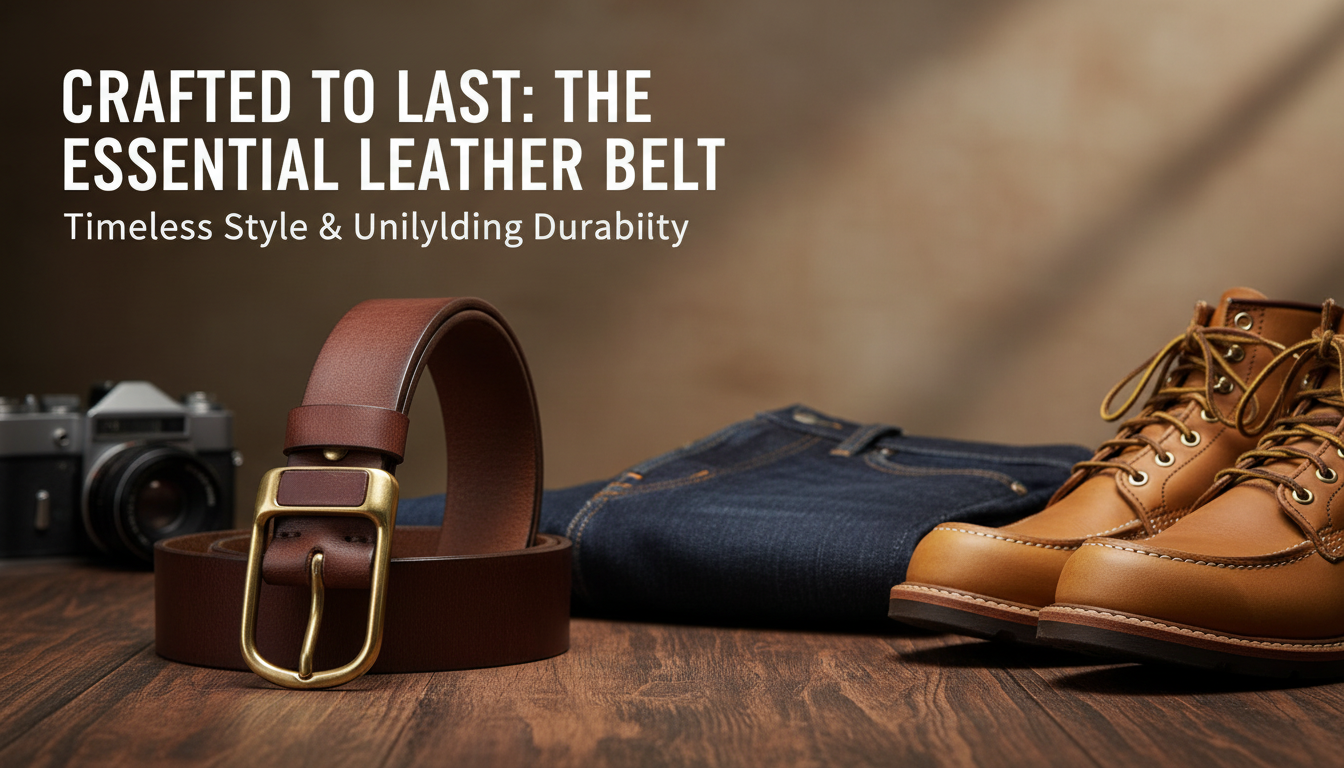
Retro Cowboy Genuine Leather Belt for Men – Vintage Brass Buckle (1.5 inch)
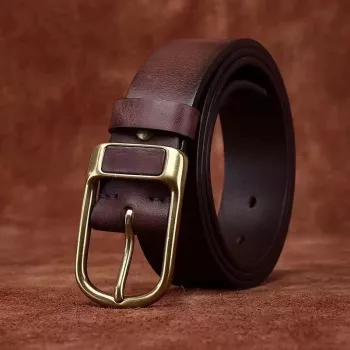
A sturdy leather belt can anchor an outfit and take daily wear without losing its character. The Retro Cowboy Genuine Leather Belt for Men – Vintage Brass Buckle 1.5 inch pairs a 1.5 inch strap with a vintage-look brass buckle for a classic, broken-in feel that works with denim, workwear, and western-inspired looks. It’s the kind of everyday accessory that can make a basic outfit feel intentional—without leaning into costume territory. For more guidance, see Vintage Western Leather Belt Retro Cowboy Style Adjustable Buckle ….
What sets this belt’s look apart
- Rugged retro cowboy styling: The vibe is worn-in and hardworking rather than shiny or overly decorative, so it’s easy to wear beyond strictly western outfits.
- Warm brass-tone buckle: That golden, vintage finish naturally complements indigo denim, canvas, and earth-tone layers (think brown jackets, flannels, and boots).
- 1.5 inch width: A practical standard that slips into most jean belt loops and many casual chinos without looking too narrow or too bulky.
- Built for patina: Genuine leather develops character with time—subtle darkening, fine creases, and edge wear that can make the belt look even better after months of use.
Materials and build quality to look for in genuine leather
“Genuine leather” indicates real leather (not synthetic). Like most natural materials, it performs best when it’s cared for: keep it away from prolonged moisture, and condition it occasionally so it stays flexible instead of drying out. Leather’s durability and appeal come from its fibrous structure, which helps explain why it can handle daily bending and tension better than many man-made alternatives. For further reading, see LL Bean Black Braided Leather Belt Brass Buckle 35 Inch.
- Natural variation is a feature: Grain shifts, small tone differences, and minor markings can be normal from hide to hide—and they add to a vintage aesthetic.
- Stitching and edge finishing matter: Clean edges and consistent stitching help prevent premature cracking, lifting, or separation over time.
- Support and thickness: A strap with a solid feel tends to hold its shape better, especially if you clip on a phone holster, keys, or small tools.
For a deeper overview of leather as a material, see Encyclopaedia Britannica: Leather. For industry efforts around responsible leather supply chains, the Leather Working Group (LWG) is a widely recognized resource.
Vintage brass buckle: comfort, durability, and outfit compatibility
The buckle is more than decoration—it’s the part you feel every day when you sit, bend, or drive. A brass-tone buckle also plays well with other warm-metal details, so it can coordinate with boot hardware, watch cases, and subtle accessories without fighting for attention.
- Comfort comes from smooth finishing: A well-finished buckle frame and prong helps reduce snagging on belt holes and belt loops.
- Flat, no-hot-spot wear: The buckle should sit comfortably at the waistline without sharp edges pressing in when seated.
- Style flexibility: Brass tones typically look natural with brown, tan, and oxblood leather goods, making the belt easy to integrate with everyday footwear.
Fit and sizing: getting the right length the first time
A great-looking belt still feels wrong if the sizing is off. For most men, choosing a belt size about 1–2 inches larger than your pant waist size is a useful starting point, but the most reliable method is measuring a belt you already wear and like.
Also, a 1.5 inch width is a practical middle ground: substantial enough for jeans and work pants, while still neat enough for casual office days with chinos and a tucked-in shirt.
| Step | What to do | Why it helps |
|---|---|---|
| 1 | Lay the belt flat on a table | Keeps the measurement accurate |
| 2 | Measure from the buckle base to the most-used hole | Matches real-world fit, not overall length |
| 3 | Compare that measurement to the belt’s sizing guidance | Reduces returns and awkward hole placement |
| 4 | Aim for a fit that uses the middle hole | Leaves room to tighten or loosen as needed |
If you’re between sizes, it usually pays to choose the option that lands you on the middle hole. That gives flexibility for seasonal layering, big meals, or minor waist changes without forcing you to punch extra holes right away.
How to style a retro cowboy belt without overdoing it
Care and maintenance for long-lasting wear
When this belt makes a strong gift
Product details at a glance
- Product: Retro Cowboy Genuine Leather Belt for Men – Vintage Brass Buckle 1.5 inch
- Width: 1.5 inch strap (fits most jean belt loops and many casual pants)
- Hardware: Vintage-style brass buckle look for a warm, classic finish
- Availability: In stock
You may also like (in stock)
- 23-Piece Professional Makeup Brush Set
- Elevated Ceramic Pet Bowl with Solid Wood Stand
- Luxury Large Dog Stroller
FAQ
How should a men’s belt fit for everyday comfort?
Aim to wear the belt on the middle hole for the most comfortable, adjustable fit. Measure a current belt from the buckle base to the hole you use most, and match that measurement to the new belt’s sizing; as a rule of thumb, belts are often 1–2 inches larger than pant waist size.
Will a 1.5 inch belt fit most jeans?
Yes—1.5 inches is a common standard width for jeans and many casual pants. For specialty trousers with narrower loops, it’s worth checking the loop width before buying.
How do you care for genuine leather so it develops a nice patina?
Condition lightly from time to time, avoid soaking, and never speed-dry near direct heat. If the belt gets wet, blot and air-dry, then store it hanging or loosely rolled to prevent hard creases and help it age evenly.











Leave a comment