Modern Stainless Steel Explained: Grades, Finishes, Uses

What is modern stainless steel?
Modern stainless steel is a family of engineered steel alloys designed for stronger corrosion resistance, cleaner finishes, and more consistent performance than earlier stainless formulations. At its core, stainless steel contains enough chromium (typically 10.5% or more) to form a thin, self-healing oxide layer that helps protect the metal from rust and staining. What makes it “modern” is how precisely today’s grades are produced and tailored—through controlled alloying, cleaner manufacturing, and advanced finishing—to suit everything from kitchens and architecture to decorative wall art.
How modern stainless steel is different from older stainless
Contemporary stainless steel is usually made with tighter composition control and improved processing, which can mean fewer impurities, better weldability, and more predictable surface results. Many modern grades are optimized for specific needs—like resisting chlorides, handling high heat, or maintaining a crisp mirror-like appearance with less visible oxidation or discoloration.
Common modern stainless steel grades
Two of the most widely used modern grades are 304 and 316. Type 304 is a popular all-purpose option with strong corrosion resistance for indoor and many general environments. Type 316 adds molybdenum, improving resistance in harsher settings (such as coastal air or exposure to certain cleaners). For design-forward décor pieces, the grade pairs with the finish to create the final look—brushed, mirror, or more dimensional textures.
Modern stainless steel in decorative design
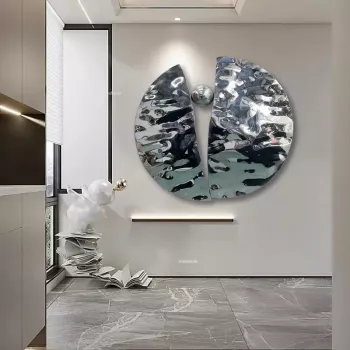
In contemporary interiors, stainless steel isn’t only about durability—it’s also about light, movement, and refinement. Textured finishes such as water ripple (also called water wave) stainless steel create a dynamic, reflective surface that changes with the lighting and viewpoint, making it a popular choice for statement wall installations.
For styling ideas and a closer look at water ripple stainless steel décor, see the main guide here: https://unitare.com/guide-stainless-steel-water-ripple-wall-hanging-styling-guide/.
FAQ
Is stainless steel magnetic?
Some modern stainless steels are magnetic and some are not. Many 300-series grades (like 304) are generally non-magnetic in annealed form but can become slightly magnetic after cold working, while 400-series grades are typically magnetic.












Leave a comment