AI Calorie Tracking Made Easy: Log Less, Learn More
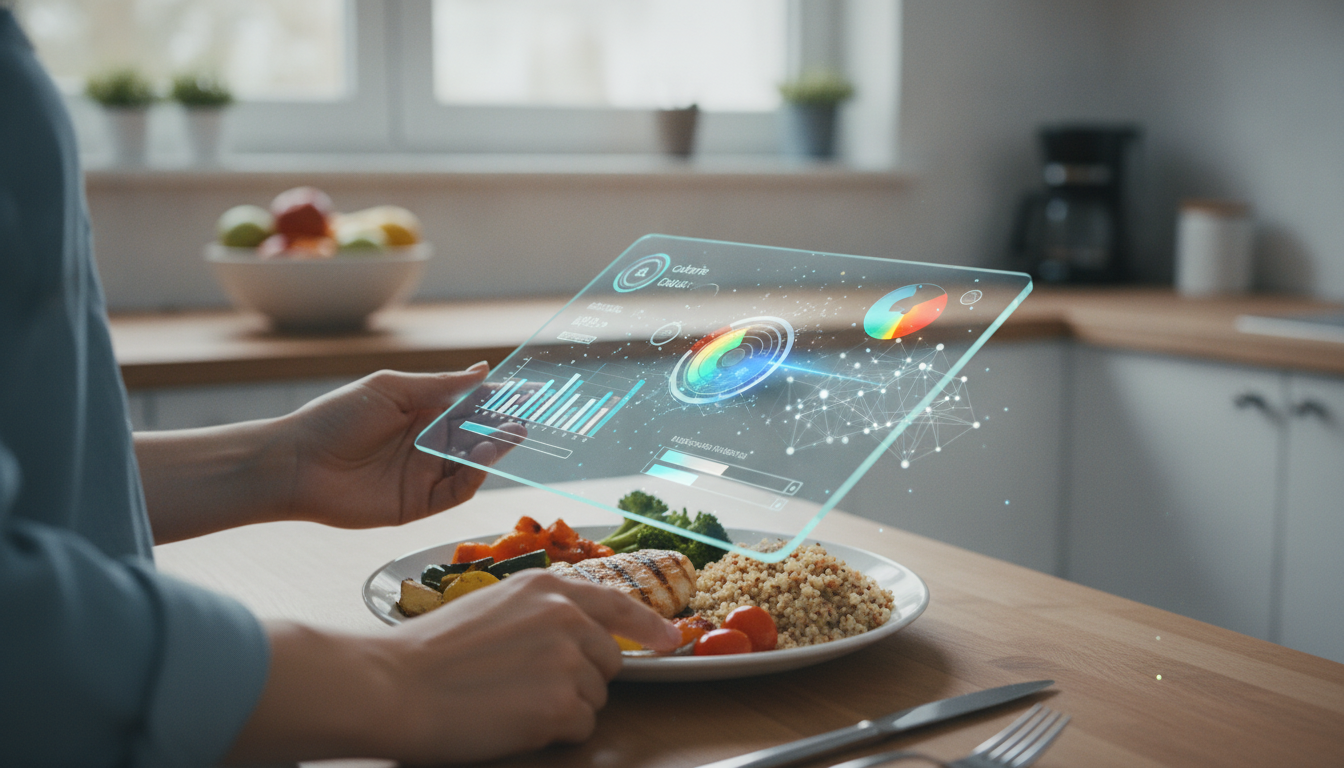
Calorie tracking often breaks down in real life: rushed meals, portion-size guesses, forgotten snacks, and inconsistent logging. AI-powered tracking tools help reduce that friction by recognizing foods faster, improving portion estimates over time, learning routines, and turning raw logs into practical next steps—so day-to-day nutrition choices feel simpler, more personal, and easier to stick with.
Why traditional calorie tracking feels harder than it should
Most people don’t quit tracking because they “don’t care.” They quit because the process is surprisingly demanding, especially when schedules get busy.
- Hidden calories add up: cooking oils, sauces, small bites, and beverages are easy to forget but can meaningfully change totals.
- Portion estimation is inconsistent: without a repeatable method (food scale, visual cues, or labeled servings), the same meal can be logged three different ways across a month.
- Manual logging creates decision fatigue: searching databases, verifying entries, and re-entering favorites can feel like a second job.
- Food databases vary in accuracy: branded items, restaurant meals, and “user-created” entries can be off by a wide margin.
- Progress stalls with incomplete data: when the log has gaps, it’s hard to adjust intelligently—leading to tracking burnout instead of better habits.
Even if calorie counts are only estimates, consistency matters. The goal is a reliable trend line, not a perfect number every day.
What AI changes: from logging calories to understanding patterns
AI doesn’t just speed up entries—it helps connect behaviors to outcomes and offers small course corrections before “starting over” becomes the default.
- Image-assisted food recognition cuts down search time and makes logging feel more immediate.
- Context awareness uses time of day, routine meals, and typical portions to improve autofill suggestions.
- Adaptive coaching adjusts prompts based on patterns like late-night snacking, low-protein days, or weekend overages.
- Error checking flags unusual logs (extremely low intake, duplicate entries, or macro totals that don’t add up).
- Personalization improves over time as meals, workouts, preferences, and schedules become clearer.
Common tracking problems and how AI can help
| Tracking challenge | How AI can help | Practical tip to keep accuracy high |
|---|---|---|
| Forgetting to log | Smart reminders based on routines and missed-meal patterns | Set a daily “log window” (e.g., 8–10 pm) for cleanup |
| Portion-size guesswork | Portion suggestions using prior entries and typical servings | Use a scale for 1 week to calibrate visual estimates |
| Database confusion | Confidence scoring and smarter matching of branded foods | Favor verified entries and save “go-to” meals |
| Restaurant meals | Inference from similar dishes and ingredient-level breakdowns | Log half portions first; adjust after hunger/fullness check |
| Inconsistent macros | Macro balancing suggestions based on targets and recent averages | Aim for consistency across the week, not perfection per meal |
A realistic workflow for AI-assisted calorie tracking (daily and weekly)
A sustainable workflow is built for imperfect days. AI works best when it supports quick capture first and better accuracy second.
- Start with a baseline: set a calorie range (not a razor-thin target) plus one “anchor” macro—often protein—to structure meals.
- Capture now, refine later: do a fast log at mealtime, then review and adjust portions, sauces, and add-ons during your log window.
- Build a repeat library: save common breakfasts, lunches, and snacks as templates for one-tap entry.
- Do a weekly review: pick 1–2 patterns to improve (low fiber, high weekend calories, inconsistent breakfast, or protein clustering at dinner).
- Use guardrails, not strict rules: minimum protein, produce servings, hydration, and a flexible calorie budget make adherence easier.
If you want a structured setup with templates and step-by-step routines, How AI Can Revolutionize Your Calorie Tracking | Ultimate Digital Guide for Smarter Nutrition, Wellness & ai help for tracking calories provides a practical system you can reuse week after week.
Smarter nutrition insights AI can surface (beyond calories)
Calorie totals matter, but the best results usually come from improving the inputs that drive hunger, energy, and consistency.
- Protein distribution: seeing how protein is spread across the day can support satiety and lean-mass goals, especially when lunch is light.
- Fiber and micronutrient cues: when food quality is logged well, AI can highlight gaps without turning meals into a math project.
- Energy balance trends: a week view of intake versus activity is more useful than reacting to a single high or low day.
- Trigger identification: correlations between stress, sleep, schedule changes, and higher-calorie choices can guide planning (not guilt).
- Meal timing patterns: skipping meals often shows up later as overeating; pattern awareness helps you prevent the swing.
For reliable nutrition references when verifying entries, use authoritative databases like USDA FoodData Central. For broader guidance on healthy weight and habits, the CDC’s Healthy Weight resources are a strong starting point.
Accuracy, privacy, and safety: using AI responsibly
Putting it all together with a step-by-step digital guide
- Diadora Men’s Green & White Leather Sneakers for comfortable daily movement and walking-friendly days.
- Dr. Martens Women’s Black Leather Boots for durable, all-day wear when you’re on your feet and keeping routines consistent.
FAQ
Can AI estimate calories accurately from a photo?
It can speed up logging, but accuracy still depends on portion size, ingredients, and hidden add-ons like oils and sauces. A quick verification step (serving size, cooking method, condiments) and one week of using a food scale can greatly improve long-term estimates.
Is calorie tracking necessary for weight loss?
No—it’s one tool. Some people do well with portion guidance and habit-based methods, while others benefit from data to spot patterns and adjust. The best approach is the one you can sustain long enough to see trend-based results.
What should be tracked besides calories for better results?
Protein, fiber, hydration, and weekly averages are often more actionable than obsessing over daily swings. When available, sleep and activity context can explain appetite changes and help you plan meals more effectively.














Leave a comment