Treats on Walks: Fast Timing for Loose-Leash Wins
How to give a dog treat while walking?
Giving treats on a walk is easiest when it’s quick, consistent, and doesn’t interrupt your pace. The goal is to reward the exact behavior you want—like checking in, walking near your side, or ignoring distractions—without turning the stroll into a scavenger hunt.
1) Prep treats so you can deliver them fast
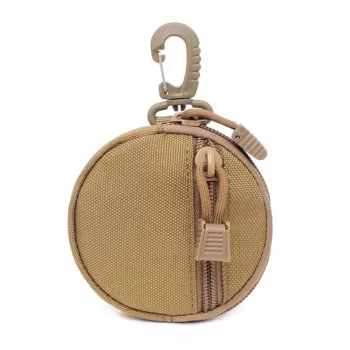
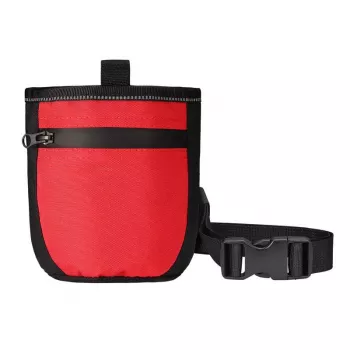
Bring small, soft treats your dog can chew quickly. Pre-portion them so you’re not fumbling with bags or crumbs, and keep them in a dedicated pouch so the reward shows up the same way every time.
2) Time the reward: mark first, treat second
Reward timing matters more than distance. As soon as your dog does the right thing (looks at you, slows down, passes a dog calmly), mark it with a consistent cue like “yes” or a click, then deliver the treat within a second or two.
3) Feed in the position you want to reinforce
If you want a loose leash, deliver the treat at your leg where you want your dog to walk—not out in front where they’ll surge forward. Keep your hand low and close to your body, and avoid luring continuously; treat after the behavior happens.
4) Use “treat magnet” only as a short reset
If your dog gets overexcited, briefly bring the treat to your leg to guide them back into position, then fade it quickly. The treat should reward the return to calm walking, not become the only reason your dog stays near you.
5) Manage distractions with higher-value rewards
Save the best treats for the hardest moments—passing squirrels, busy corners, or greeting-friendly strangers. Reward calm choices early, before your dog hits the end of the leash.
For a smoother setup (especially if you want quick access while moving), see the training tips and carry options in the full guide: rotatable carabiner dog treat pouch training.
FAQ
How many treats should I give my dog on a walk?
Start with frequent, tiny treats while teaching a new behavior, then gradually space rewards out as your dog improves. Adjust the amount so treats don’t exceed a small portion of your dog’s daily calories.













Leave a comment