Cordless Robotic Pool Cleaner: Advanced Suction & Self-Parking
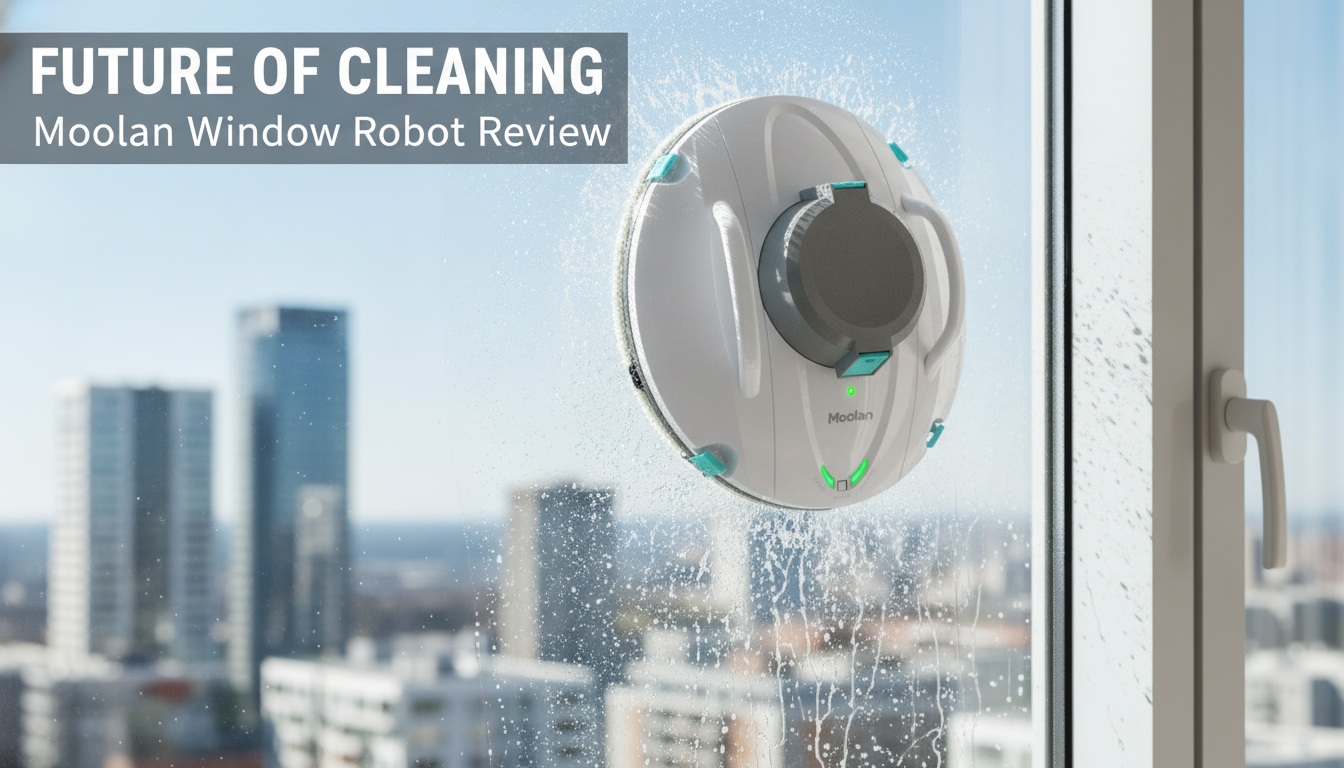
Efficient Cordless Robotic Pool Cleaning Without the Hassle
Keeping a pool consistently clean is easier when daily debris removal doesn’t require hoses, cords, or manual vacuuming. A cordless robotic cleaner with strong suction and a self-parking feature is designed to pick up leaves, sand, and fine particles while simplifying retrieval at the end of a cleaning cycle. For many residential pools, that means faster routine cleanups, fewer “I’ll do it later” days, and less equipment to drag out and put away.
What Makes a Cordless Robotic Pool Cleaner Different
Cordless robotic pool cleaners are built for quick, frequent sessions—especially when the goal is to prevent debris from settling and becoming harder to remove. Unlike corded models that can involve routing cables around the deck and managing tangles, cordless designs focus on convenience and simplified storage.
- Cord-free operation reduces setup time and helps avoid tangles along pool edges, ladders, and steps.
- Built-in battery power supports routine cleanups without connecting to a pump or suction line.
- Onboard filtration captures debris directly in the unit, keeping cleanup independent of the pool’s main circulation.
That independence can be useful when the pool is used often, when the equipment pad is tight, or when a simple “drop it in and let it run” approach fits your schedule.
Advanced Suction: What It Helps With
Suction performance is one of the most practical differences between a quick “surface-level tidy” and a cleanup that actually reduces grit underfoot. Advanced suction is designed to improve pickup and reduce the need for repeat passes in the same areas.
- Heavier debris pickup for small leaves, grit, and sand that settle on the floor.
- Fine particle capture (dust-like debris) when paired with the appropriate filter basket or screen.
- More consistent coverage during shorter cycles by reducing leftover patches.
- Extra help after busy or windy days, landscaping work, storms, or pool parties when debris loads spike.
For best results, match suction capability with filtration that suits your typical debris. If your yard drops lots of leaves, a basket that handles larger pieces matters. If the issue is “tan dust” or pollen-like residue, finer filtration becomes the priority.
Self-Parking: Easier End-of-Cycle Retrieval
Self-parking is designed to reduce the most annoying part of robotic cleaning: the end-of-cycle hunt. Instead of stopping wherever the battery runs out or the timer ends, a self-parking unit aims to return to a more predictable area—often near a wall or edge—so you can grab it quickly.
- Predictable stopping point helps reduce guesswork when the cycle finishes.
- Less “fishing around” from the center of the pool with a pole or net.
- Better fit for cordless routines where fast storage is part of the appeal.
- More convenient for deeper pools where reaching the unit can be inconvenient.
In real-world use, factors like pool shape, returns, and water movement can influence exactly where it ends up—but a self-parking design still tends to make retrieval faster and less frustrating than searching the entire floor.
Daily Use Routine and Maintenance
A simple routine keeps performance steady and helps the battery and seals last longer.
Before cleaning
During cleaning
After cleaning
Battery and seasonal care
Where This Type of Cleaner Fits Best
Quick Compatibility Checklist
| Pool/Use Case | Why It Matters | What to Confirm |
|---|---|---|
| Debris type (leaves vs. fine dust) | Determines suction and filtration needs | Filter basket/screen suitability for fine particles and larger debris |
| Pool size and depth | Affects runtime expectations and cycle planning | Battery runtime and recommended max pool area (if provided) |
| Surface material (vinyl, fiberglass, plaster) | Impacts traction and movement | Manufacturer guidance for surface compatibility |
| Floor slopes and transitions | Influences navigation and coverage | Ability to handle gentle slopes; approach to steps/ledges |
| Storage and charging location | Supports longer product life | Dry, shaded place to recharge and store |
Safety and Water Quality Basics That Support Better Cleaning
For chemical handling and water-care basics, follow guidance from authoritative resources like the CDC’s Healthy Swimming. For general pool safety reminders—especially around supervision—review CPSC pool and spa safety tips.
Product Spotlight: Efficient Cordless Robotic Pool Cleaner with Advanced Suction & Self-Parking
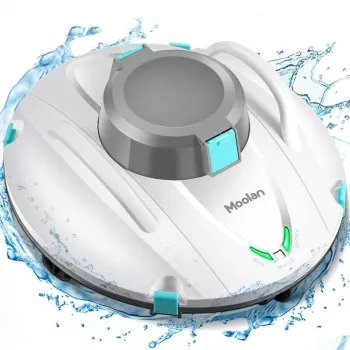
If the goal is a streamlined routine—drop in, clean, retrieve, store—Efficient Cordless Robotic Pool Cleaner with Advanced Suction & Self-Parking is designed around convenience and consistent floor pickup. The cordless format minimizes setup time, advanced suction targets settled debris, and the self-parking feature is meant to make end-of-cycle retrieval less of a chore.
| Detail | Value |
|---|---|
| Product | Efficient Cordless Robotic Pool Cleaner with Advanced Suction & Self-Parking |
| Price | 1190.99 USD |
| Availability | In stock |
| Product page | View product |
For poolside tasks that happen around the same time—skimming, brushing trouble spots, checking the filter—durable footwear can also make deck work more comfortable. If you want a sturdy option for errands and outdoor chores, Dr. Martens Women’s Black Leather Boots are another in-stock pick to consider.
FAQ
How long should a cordless robotic pool cleaner run per session?
Most sessions fall in the 45–120 minute range depending on pool size, debris load, and the cleaner’s cycle options. Start with the standard cycle, then adjust frequency based on what the filter basket collects—if it’s filling up quickly, run shorter cycles more often.
Does self-parking mean the cleaner always stops at the same spot?
Self-parking is intended to make retrieval easier, but the exact stopping location can vary with pool shape, water movement, and obstacles. After a few runs, it helps to note where it typically parks and keep that edge area clear.
What maintenance keeps suction performance consistent?
Rinse the filter basket/screen after every run, clear any intake obstructions, and periodically check for wear on seals and moving parts. Recharge soon after use and store the unit clean and dry (out of direct sun) to help protect battery life and performance.













Leave a comment