Reinforced Waist Tool Bag for DIY & Quick Repairs
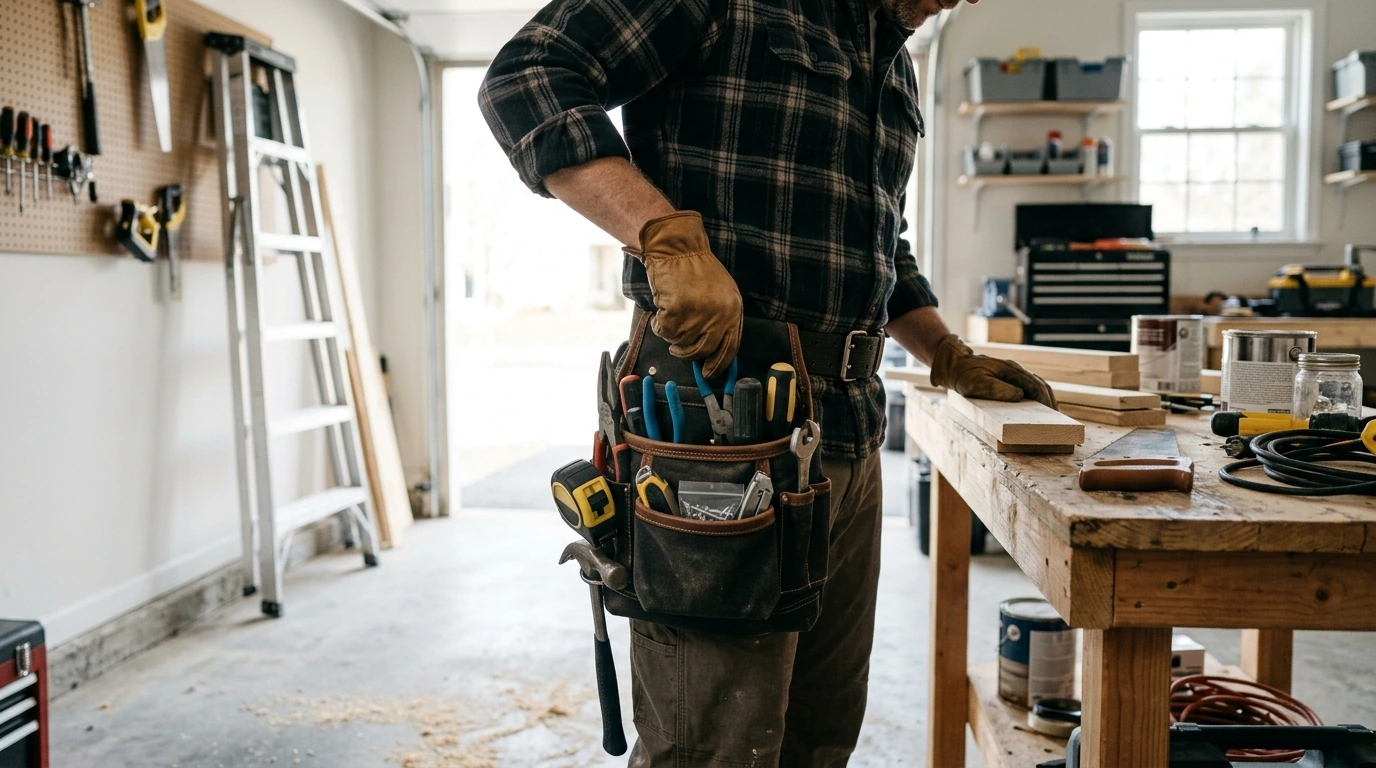
Multifunctional Waist Tool Bag with Reinforced Structure and Comfortable Grip
A waist tool bag keeps everyday essentials close without tying up your hands or overstuffing your pockets. Whether you’re handling quick home repairs, organizing a DIY build, or moving between small tasks on a jobsite, a multifunctional design can speed up workflow by keeping the right tools within reach. This style focuses on two practical upgrades: a reinforced structure that holds its shape under load, and a comfortable grip and wearable setup that stays manageable through long sessions.
If you want a compact carry option that’s easy to grab, stable while moving, and simple to organize, take a look at the Multifunctional Waist Tool Bag with Reinforced Structure and Comfortable Grip.
What Makes a Reinforced Waist Tool Bag Different
Some waist bags work well until they’re loaded with heavier, awkwardly shaped tools—then pockets collapse, openings narrow, and items end up buried. A reinforced waist tool bag is built to resist that “folding in on itself” effect, so the bag behaves more like a structured organizer than a soft pouch.
- Shape retention under load: Reinforced structure helps the bag keep its shape when loaded, reducing sagging and making tools easier to grab.
- More stable pockets while moving: Sturdier construction can improve stability during movement, so pockets stay oriented instead of folding inward.
- Better support for daily carry tools: Reinforcement supports heavier everyday carry items like tape measures, pliers, or fasteners without deforming the bag.
- Less fumbling, fewer lost small items: A defined opening can reduce fumbling and helps prevent smaller items from disappearing into corners.
That structure matters most when you’re repeating the same motion all day—reach, grab, return—because consistency is what saves time. A bag that stays open and readable (you can see what’s where) helps you work faster and with fewer interruptions.
Comfortable Grip and Wearability for Long Sessions
Comfort isn’t only about the belt. It’s also about how the bag behaves every time you pick it up, reposition it, or carry it off the waist for a minute. A comfortable grip makes those transitions smoother, especially when you’re wearing gloves or moving between spaces.
- Easier handling off the waist: A comfortable grip improves control when lifting, repositioning, or carrying the bag off the waist between tasks.
- Less hand fatigue over many cycles: Smooth handling can reduce hand fatigue during repeated pick-up/put-down cycles common in DIY and maintenance work.
- Tools where you need them: Waist-worn placement distributes frequently used tools around the hips, limiting repeated trips to a toolbox.
- Stability in motion: A stable fit minimizes bouncing while walking, climbing ladders, or kneeling—helping tools stay in place.
Comfort and stability checklist
| Feature | Why it matters | What to look for in use |
|---|---|---|
| Reinforced body | Maintains pocket access and reduces sag | Bag stays open enough to retrieve items quickly |
| Comfortable grip | Easier handling when moving the bag | Secure hold even with work gloves |
| Waist positioning | Keeps tools within reach | Doesn’t shift excessively when bending or kneeling |
| Organized compartments | Separates tools and consumables | Small items remain easy to find |
Storage Layout: Keeping Tools, Fasteners, and Accessories Sorted
A waist tool bag works best when it prevents “tool pileup.” Instead of tossing everything into one main pocket, use the layout to create a repeatable system you can follow without thinking.
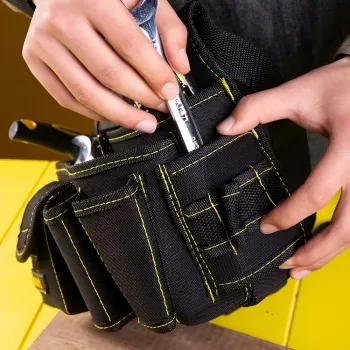
- Separate tools from consumables: Use separate areas for tools vs. consumables (screws, anchors, nails) to avoid spills and speed up workflow.
- Create a quick-access zone: Reserve a quick-access spot for high-frequency items like a marker, utility knife, or bit holder.
- Protect sharp edges: Store sharp edges (blades, scribes) in sleeves or protected pockets to reduce wear on the lining and improve safety.
- Balance the load: Balance left/right loading to reduce hip strain during longer wear.
A simple way to set it up: keep “every task” items (marker, knife, tape) in the same locations every time, and let the remaining pockets flex depending on the job (anchors one day, cable ties the next). That consistency is what makes a small bag feel surprisingly efficient.
Common Uses: DIY, Maintenance, and Light Trade Work
For work that involves frequent kneeling, climbing, or moving through tight spaces, consider how your footwear supports that movement too. Options like Dr. Martens Women’s Black Leather Boots or Diadora Men’s Green & White Leather Sneakers can be helpful choices depending on your environment and comfort preferences.
Fit and Setup Tips for Better Balance and Safety
General material-handling guidance also supports minimizing awkward loads and keeping weight close to the body. For more on safe handling basics, see NIOSH Ergonomic Guidelines for Manual Material Handling and OSHA’s overview of Materials Handling and Storage.
Care and Durability Habits That Extend Service Life
When This Waist Tool Bag Is a Good Fit
If you want a simple, structured organizer that stays comfortable during repeated use, the Multifunctional Waist Tool Bag with Reinforced Structure and Comfortable Grip is a straightforward option to keep essentials close and accessible.
FAQ
How much weight can a reinforced waist tool bag handle comfortably?
Comfort depends on belt fit, weight distribution, and the shape of what you carry. Keep only task-essential tools, balance the load left-to-right, and stop adding items if the bag starts bouncing or causing hip strain.
Can it be worn over thick clothing or a work jacket?
Yes, many people wear waist tool bags over layers. Adjust the belt to stay snug, confirm pockets remain reachable, and test stability by bending and kneeling before starting work.
What’s the best way to organize tools in a waist tool bag?
Group items by frequency of use, separate sharp tools into protected sleeves or pockets, and place heavier tools closer to your centerline. Use a dedicated pocket or container for small fasteners to reduce spills and speed up retrieval.













Leave a comment