12-Cup Square Nonstick Muffin Pan: Crisp Edges, Easy Release
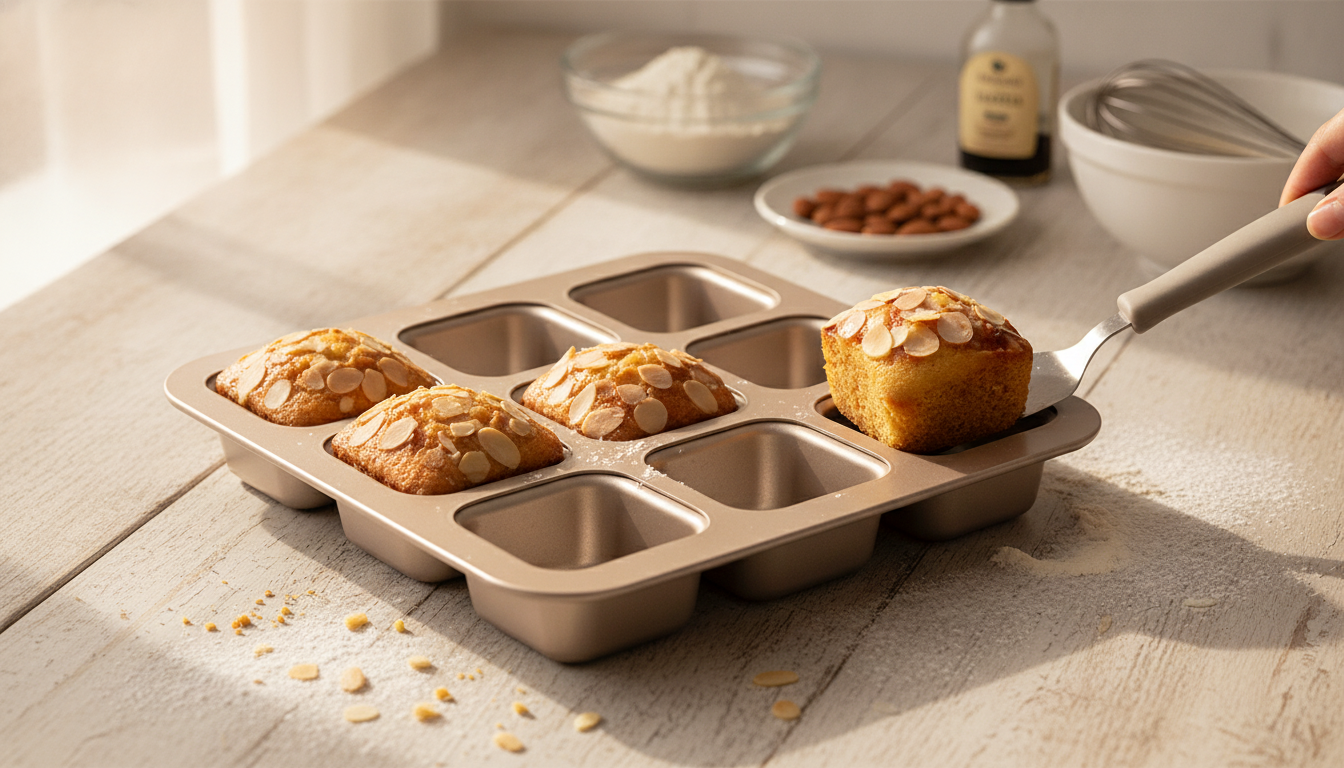
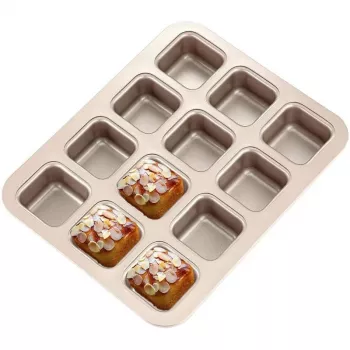
12-Cup Non-Stick Square Cake & Muffin Pan for Home Baking
A square-cup muffin pan changes both the look and the bake: crisp corners, straight sides, and neat portions that stack and pack easily. This 12-cup non-stick pan is built for everyday home baking—muffins, mini cakes, brownies, cornbread, and portioned breakfast bakes—while aiming for clean release and consistent browning across all cups. For more guidance, see Mini Shortbread Flag Tarts | BeyondCeliac.org.
What makes a square-cup pan different
Square wells don’t just look modern—they bake a little differently than standard round cups. The straight sides help portions rise into a taller, more defined shape, and the corners add extra contact points where heat can concentrate. For further reading, see Eating Well: From Debbie B’s Kitchen to Yours | COPD Foundation.
- Sharper edges and a taller profile: Square wells create cleaner lines and a more structured “bakery case” look than round muffin cups.
- More surface area for browning: Corner geometry increases exterior surface area, which can add a slightly more toasted bite—especially satisfying for cornbread and brownie-style bakes.
- Neater portions for stacking and packing: Square pieces fit lunch containers and meal-prep boxes with less wasted space.
- Batch efficiency: A 12-cup layout supports consistent output without needing multiple smaller pans.
Pan overview and everyday uses
A 12-cup square pan is a workhorse for anyone who bakes in portions—whether that means quick breakfasts for the week or bite-size desserts for a gathering. The square shape also makes it easier to layer fillings without the “slump” that can happen in rounded cups.
- Sweet bakes: Muffins, cupcakes, mini snack cakes, baked oatmeal squares, and cheesecake bites.
- Savory portions: Egg bites, mac-and-cheese squares, stuffing portions, or mini meatloaves.
- Predictable yield: Consistent sizing helps you plan servings and get even bake times across the batch.
- Layer-friendly: Square wells can hold a crumb base + filling + topping with clean edges for a “bar dessert” feel.
Non-stick performance: release, browning, and when to still grease
Non-stick coatings are designed to reduce sticking and tearing—especially helpful when you’re baking tender crumbs or delicate fillings. That said, the stickiest ingredients still benefit from a little extra prep.
- Better release for delicate bakes: Tender muffins and soft-centered bites are less likely to lose corners when turning out.
- Sticky sugars can “candy” onto edges: For batters heavy in honey, caramel, or syrups, add a light grease pass, focusing on the corners where buildup tends to cling.
- Chocolate batters can leave dark residue: A thin oil layer with a dusting of cocoa can help keep edges cleaner than flour.
- Liners may not match the shape: Standard paper liners don’t always sit neatly in square wells. Parchment strips (or a spray-and-flour approach) typically grips corners more reliably.
- Watch corner browning: If your oven runs hot in back or on one side, rotate the pan halfway through for a more even finish.
For general food-contact and cookware guidance, the FDA’s overview on cookware and food contact substances is a helpful reference point.
Quick guide: what to bake and how full to fill
Fill level matters more in square cups than many bakers expect. Corners set faster, so a batter that’s too high can overbrown at the edges before the center is done. Use these ranges as a starting point and adjust based on your recipe’s rise.
| What you’re baking | Typical fill level | Helpful tip |
|---|---|---|
| Muffins / cupcakes | 2/3–3/4 full | Cool 5–10 minutes, then release to avoid steaming the sides. |
| Brownie or blondie squares | 1/2–2/3 full | Check early; corners set sooner than the center. |
| Cornbread portions | 2/3 full | Brush tops with butter right after baking for softer edges. |
| Egg bites | 1/2 full | Use a light oil or butter in corners; eggs cling as they cool. |
For doneness cues (like spring-back and crumb checks), King Arthur Baking’s recipe collection is a practical resource to keep bookmarked: King Arthur Baking recipes.
How to get even results across all 12 cups
Square wells highlight differences in oven airflow and heat zones. A few small habits help the entire tray bake consistently—so the corners don’t run ahead of the centers.
- Preheat fully: A properly heated oven supports an even rise and better bottom browning.
- Use the center rack: This typically provides the most balanced heat and circulation.
- Distribute batter if not filling all cups: If you’re baking only 6–8 portions, spread them out so one side of the pan isn’t “heavier” than the other.
- Level thin batters: A gentle tap on the counter helps batter settle into corners for a cleaner shape.
- Start checking early: Compared with a standard round muffin pan, recipes may finish a few minutes sooner at the edges—especially in smaller, brownie-like portions.
Care and handling for a longer-lasting non-stick surface
Common issues and simple fixes
Shop in-stock favorites
- 12-Cup Non-Stick Square Cake & Muffin Pan for Home Baking
- 23-Piece Professional Makeup Brush Set
- Elevated Ceramic Pet Bowl with Solid Wood Stand
FAQ
Do square muffin pans bake faster than round ones?
Often slightly faster at the edges because corners brown sooner. Start checking a few minutes early and rotate the pan if your oven has hot spots.
Do I need liners for a square non-stick muffin pan?
Liners aren’t required, but a light grease helps with sticky batters. Standard paper liners may not fit square wells neatly, so parchment strips or a spray-and-flour approach can work better.
How should a non-stick muffin pan be cleaned without damaging it?
Let it cool first, then wash with mild soap and a soft sponge. Avoid abrasive scrubbers and metal tools; soak briefly to loosen baked-on residue instead of scraping.












Leave a comment