2.3×3M Outdoor Backdrop Frame: Stable, Fast Setup
Built for Outdoor Backdrops That Need to Stay Put
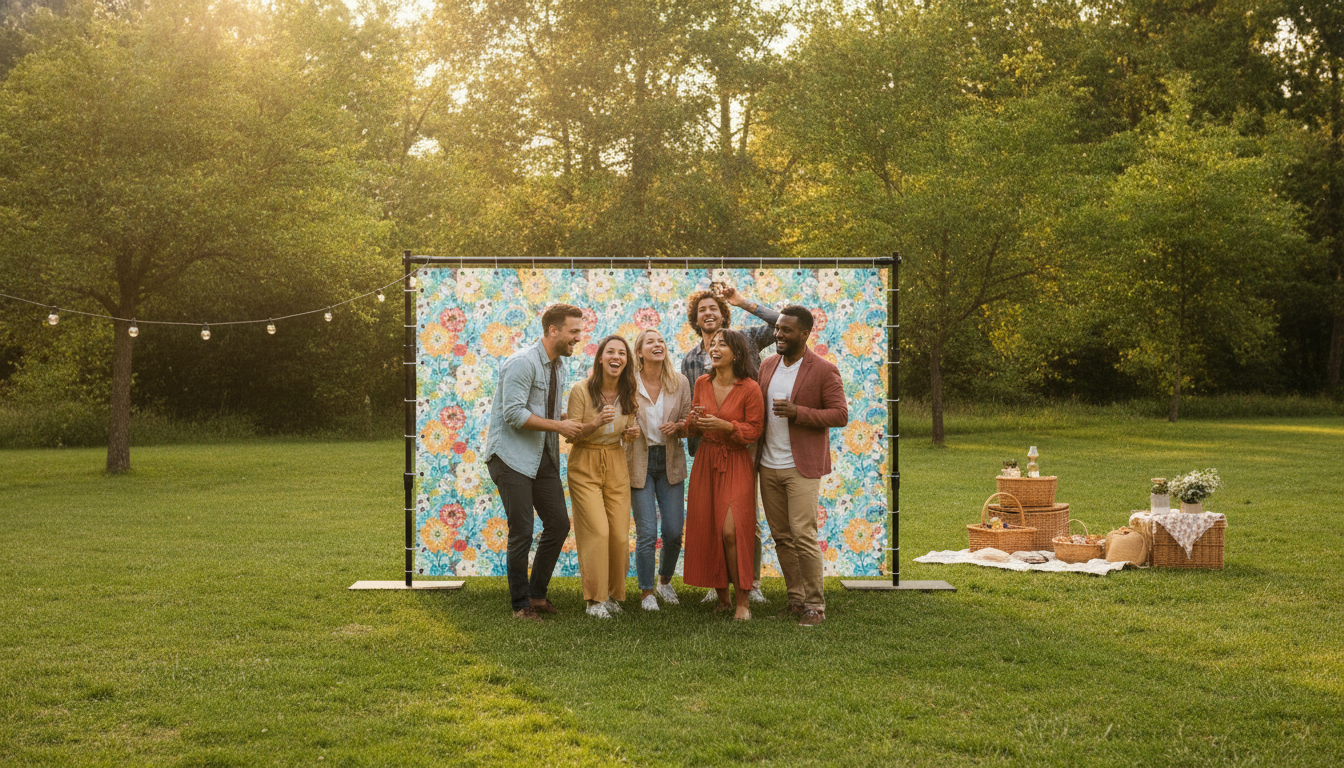
A large, rigid background frame can make outdoor shoots and event setups look polished—if it stays stable, assembles quickly, and holds fabric without sagging. This 2.3×3M heavy-duty stand frame is designed for outdoor use where wind, uneven ground, and long setup hours are common. It creates a clean rectangle for photography, ceremonies, brand activations, and vendor booths while giving you the structure you need to keep backdrops looking intentional—not improvised.
What this frame is designed to do
- Create a freestanding 2.3×3M backdrop area for photos, step-and-repeat zones, ceremonies, vendor booths, and brand activations.
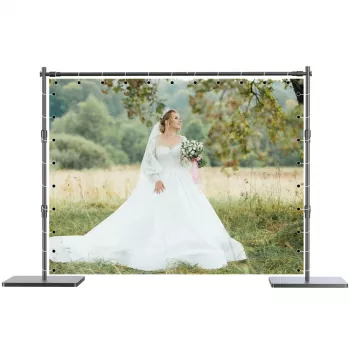
- Provide a rigid top span and vertical supports to reduce drape sag and keep a clean, rectangular presentation.
- Support common event backdrops such as fabric panels, vinyl banners, printed step-and-repeat sheets, and decorative curtain layers (with proper fastening).
- Prioritize outdoor practicality: quick assembly, transport-friendly breakdown, and compatibility with added ballast for wind management.
Size, footprint, and planning the space
At 2.3 m tall by 3 m wide, this frame lands in a sweet spot for outdoor events: large enough for couple portraits and small groups, yet manageable for transport and staffing. The key is planning for the space around it—not just the space it occupies.
- Backdrop display area: 2.3 m (height) × 3 m (width), suitable for small groups, couple portraits, and branded photo walls.
- Working clearance: Leave additional room for lighting stands, a short queue, and safe walkways—especially in high-traffic areas.
- Wind and sun orientation: Outdoors, “where you point it” matters. Positioning to reduce direct wind load can noticeably improve stability and comfort.
- Ground check: Grass, pavers, sand, and compacted dirt all change what ballast or anchoring is practical. Confirm the surface before arrival when possible.
At-a-glance specifications
A quick snapshot helps align expectations for scale, use cases, and transport needs before committing to an outdoor setup. Keep in mind that the most important “spec” outdoors is not just height/width, but how the frame is weighted and secured on the day.
| Attribute | Details |
|---|---|
| Product | 2.3×3M Outdoor Heavy-Duty Background Stand Frame for Events & Photography |
| Backdrop area (H×W) | 2.3 m × 3 m |
| Best use | Outdoor events, photography zones, ceremonies, branded photo walls |
| Stability approach | Use ballast/weights and wind-aware placement |
| Typical backdrops | Fabric drapes, vinyl banners, printed photo backdrops (secured with clamps/ties) |
Outdoor stability: wind, ballast, and safe placement
Wind is the deciding factor for any outdoor backdrop. Large, flat surfaces behave like sails, and even a mild breeze can introduce sway. The goal is to keep weight low, distribute it well, and choose placement that avoids surprise gusts.
- Add ballast every time outdoors: Even “calm” days can shift quickly, especially near open fields, waterfronts, or parking lots.
- Go low and wide with weight: Multiple smaller weights placed at the base typically stabilize better than one heavier weight positioned higher up.
- Reduce wind load when possible: Wind-permeable fabrics (or a small gap behind the backdrop) help. Solid vinyl usually needs more ballast and tighter fastening.
- Avoid wind tunnels: Don’t place the frame where gusts funnel between buildings, tents, or vehicles. Moving a few yards can change conditions dramatically.
- Have a “wind plan”: If conditions worsen, reduce sail area first (remove the backdrop) rather than relying on minimal weights to overpower gusts.
For broader safety guidance, consult the Event Safety Alliance’s Event Safety Guide and keep an eye on local wind advisories from the NOAA National Weather Service.
Setup and breakdown workflow
A smooth setup is less about speed and more about sequence. Building in the right order reduces strain on connectors, prevents sudden tipping, and makes it easier to get clean tension on your backdrop.
- Stage components: Lay out poles and connectors on a clean surface and match like parts before assembly.
- Build the top span first: Assemble the horizontal section, then attach vertical supports. Keep the structure low until connections are secured.
- Raise with help: Two people are recommended for lifting and positioning, especially with a fitted printed backdrop already attached.
- Mount and tension gradually: Use clamps, ties, or sleeves depending on the backdrop style. Start at the top, then work outward and downward to reduce wrinkles.
- Ballast last: Once the final position is confirmed, add weights and re-check that the feet sit flat without rocking on uneven ground.
If you’re newer to backdrop systems in general, this practical overview from B&H Explora can help clarify common support styles and mounting basics.
Backdrop compatibility and finishing touches
Care, transport, and long-term durability
Event-day add-ons worth packing (also in stock)
- 23-Piece Professional Makeup Brush Set for on-site touch-ups before portraits or branded photos.
- Luxury Large Dog Stroller for pet-friendly events where attendees want photos with their dogs without juggling leashes near the backdrop.
- Elevated Ceramic Pet Bowl with Solid Wood Stand for vendor booths or outdoor activations that offer a hydration station.
FAQ
Can this backdrop frame be used in windy outdoor conditions?
Yes, but it should be treated like any outdoor event structure: add sufficient ballast at the base, reduce sail area when possible, and avoid use in strong gusts. If wind picks up, remove the backdrop first to reduce load.
What size backdrop fits a 2.3×3M frame?
A backdrop close to 2.3 m tall and 3 m wide fits best. Slightly larger fabrics can be wrapped and clipped for cleaner tension; smaller backdrops can work but may require extra clamps to avoid slipping.
How many people are needed to set it up?
One person can assemble it in calm conditions, but two people are recommended for raising the frame, attaching large printed backdrops, and positioning it safely outdoors.













Leave a comment