Calvin Klein Jeans Slip-On Boots: Fit, Comfort & Care
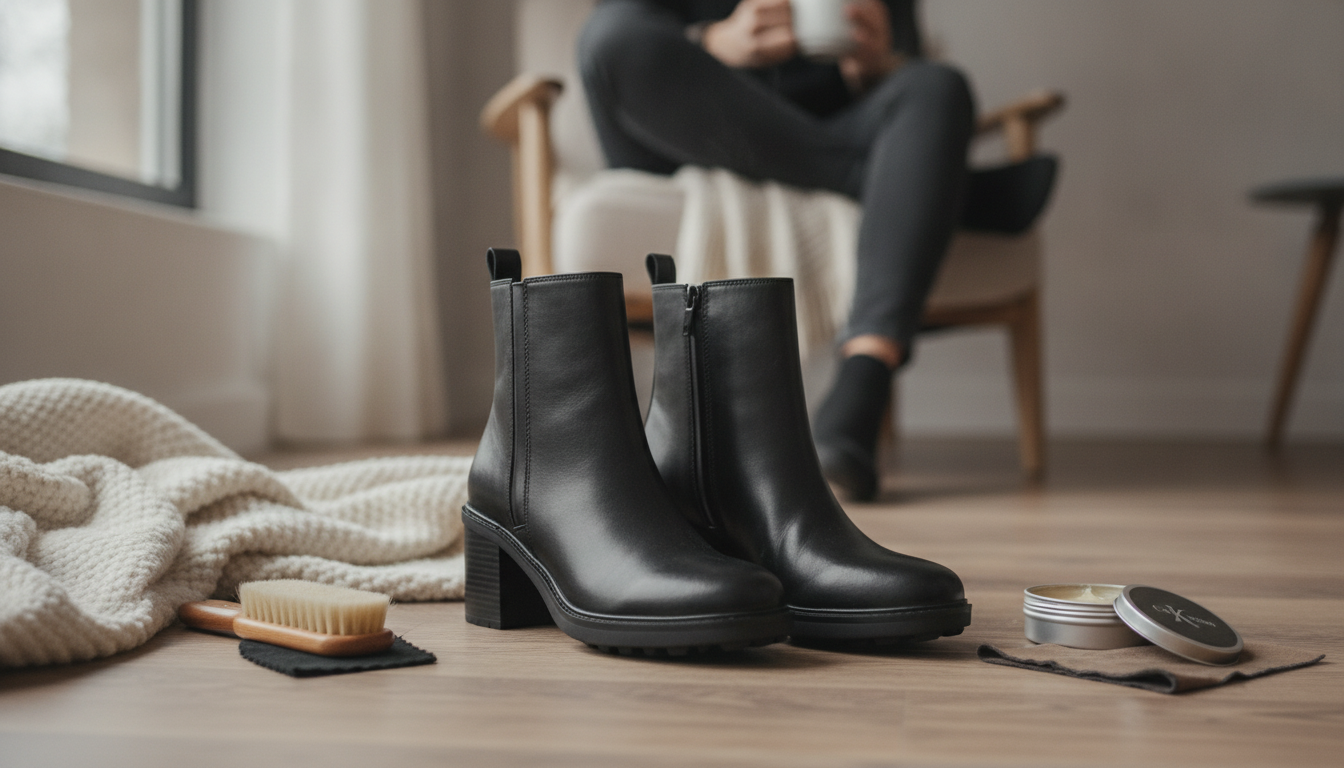
Calvin Klein Jeans Slip-On Boots: clean style, easy wear, and day-to-day comfort
Slip-on boots that balance clean lines with everyday practicality work best when they’re easy to wear, comfortable for long days, and versatile enough to dress up or down. This guide breaks down what to look for in Calvin Klein Jeans slip-on boots—fit, comfort, styling, care, and value—so it’s easier to decide if they match the way you actually wear footwear.
Quick look: what stands out
- Slip-on construction for fast on/off and a streamlined profile
- Works across casual-to-smart casual outfits with minimal effort
- Best results come from dialing in fit at the heel and instep to prevent lift or pressure
- Consider how often they’ll be worn in wet conditions and plan care accordingly
Materials and build details to check
Slip-on boots often look simple, but small build choices can change how they feel and how long they stay in good shape.
- Upper material: look for a finish that matches your needs—smoother surfaces tend to dress up; more textured finishes can hide scuffs better.
- Elastic panels or gores (if present): these influence ease of entry and how snug the boot feels over the instep. Too tight can pinch; too loose can lead to heel lift.
- Sole: pay attention to tread depth and flexibility; deeper tread often improves grip while very stiff soles may need a short break-in.
- Toe shape: rounded toes typically feel roomier; more tapered toes can look sharper but may feel tight if sizing runs narrow.
- Seams and bonding: clean stitching and neat joins around the sole edge are good signs for long-term durability.
Fit and sizing: getting the slip-on feel right
With slip-ons, the “right size” is less about length alone and more about how securely the boot locks in at the heel while staying comfortable across the instep.
- Heel hold matters most: a small amount of movement is normal at first, but persistent heel lift can lead to blisters and reduced stability.
- Instep comfort: slip-ons can feel tight across the top of the foot; if there’s sharp pressure, sizing up or choosing a more forgiving upper is usually better than hoping it loosens.
- Sock strategy: decide whether these will be worn with thin socks, thicker socks, or no-show liners—this changes the ideal size.
- Try-at-home checklist: walk on hard floors, use stairs, and test quick pivots; pay attention to rubbing at the heel collar and pressure at the sides of the forefoot.
| Checkpoint | What to feel for | If it’s off |
|---|---|---|
| Heel | Secure with minimal lift | Try a different size or add a thin insole/heel grip |
| Instep | Snug but not painful | Consider sizing up or a more flexible upper |
| Toe room | Toes can wiggle without hitting the front | Size up or choose a rounder toe profile |
| Arch/underfoot | Even support, no hot spots | Swap in supportive insoles if compatible |
Comfort and support for everyday wear
Comfort isn’t only about softness—support and stability matter just as much once you’re a few hours into a day.
- Insole feel: cushioning can make a big difference if these are worn for commuting or standing; removable insoles add flexibility for orthotics.
- Midsole and stability: a stable platform helps on long walks; extremely soft soles may feel comfortable at first but can fatigue feet over time if support is lacking.
- Break-in expectations: plan for a few shorter wears before an all-day outing; focus on whether discomfort decreases quickly or stays sharp in the same spot.
- Weather considerations: traction and water resistance are separate—tread helps grip, while upper treatment helps repel moisture.
For general foot-health guidance when choosing and wearing shoes, the American Podiatric Medical Association (APMA) offers practical consumer tips that can help you think through fit and daily comfort.
How to style slip-on boots across seasons
Slip-on boots look best when the outfit keeps the lines clean—simple denim, tailored chinos, or crisp layers do a lot of the work.
Care and maintenance for a longer-lasting finish
For material-care basics and consumer guidance, the Federal Trade Commission (FTC) provides helpful resources on caring for common goods and understanding product claims.
Value and buying tips
At-a-glance product details
| Item | Price | Availability |
|---|---|---|
| Calvin Klein Jeans Slip-On Boots | $88.51 | In stock |
Shop in-stock picks
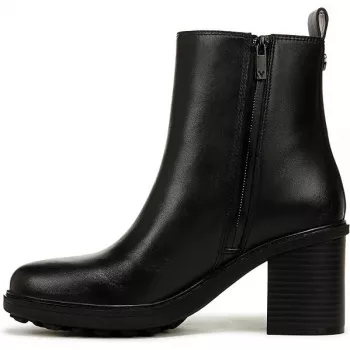
- Calvin Klein Jeans Slip-On Boots — a streamlined slip-on option for everyday rotation.
- 23-Piece Professional Makeup Brush Set — a compact add-on for travel or office touch-ups.
- Elevated Ceramic Pet Bowl with Solid Wood Stand — a home upgrade if you’re also refreshing daily essentials.
FAQ
Do slip-on boots usually run tight across the top of the foot?
Slip-on boots often feel snug at the instep because they rely on that contact for a secure fit. A locked-in feel is good, but sharp pressure isn’t—try them with the socks you’ll actually wear and size up if the tightness feels pinchy or doesn’t ease after short indoor wear.
Are these boots suitable for rain or snow?
Traction and water resistance are different: a grippy sole can help on wet sidewalks, but the upper may only handle light moisture unless it’s truly waterproof. Use a protector spray, avoid deep puddles, and switch to weather-specific footwear for heavy rain or snow.
How long should break-in take for slip-on boots?
Break-in typically takes a few wears, especially if the sole starts out stiff or the upper feels structured. Mild rubbing that fades is normal, but sharp pain in the same spot isn’t—pause wear and adjust sizing or try a compatible insole if needed.













Leave a comment