Vintage Crystal Value: What It’s Worth and Why
Is vintage crystal worth anything?
Yes—vintage crystal can be worth real money, but the value depends on what it is, who made it, and its condition. Some pieces sell for modest amounts (especially common stemware sets), while others—like signed crystal, rare patterns, or ornate vintage lighting—can command much higher prices.
What drives the value of vintage crystal?
Maker and markings: Crystal from well-known makers is typically easier to authenticate and resell. Look for acid-etched signatures, stamped marks, or labels (often on the base). Unmarked pieces can still be valuable, but they’re harder to price confidently.
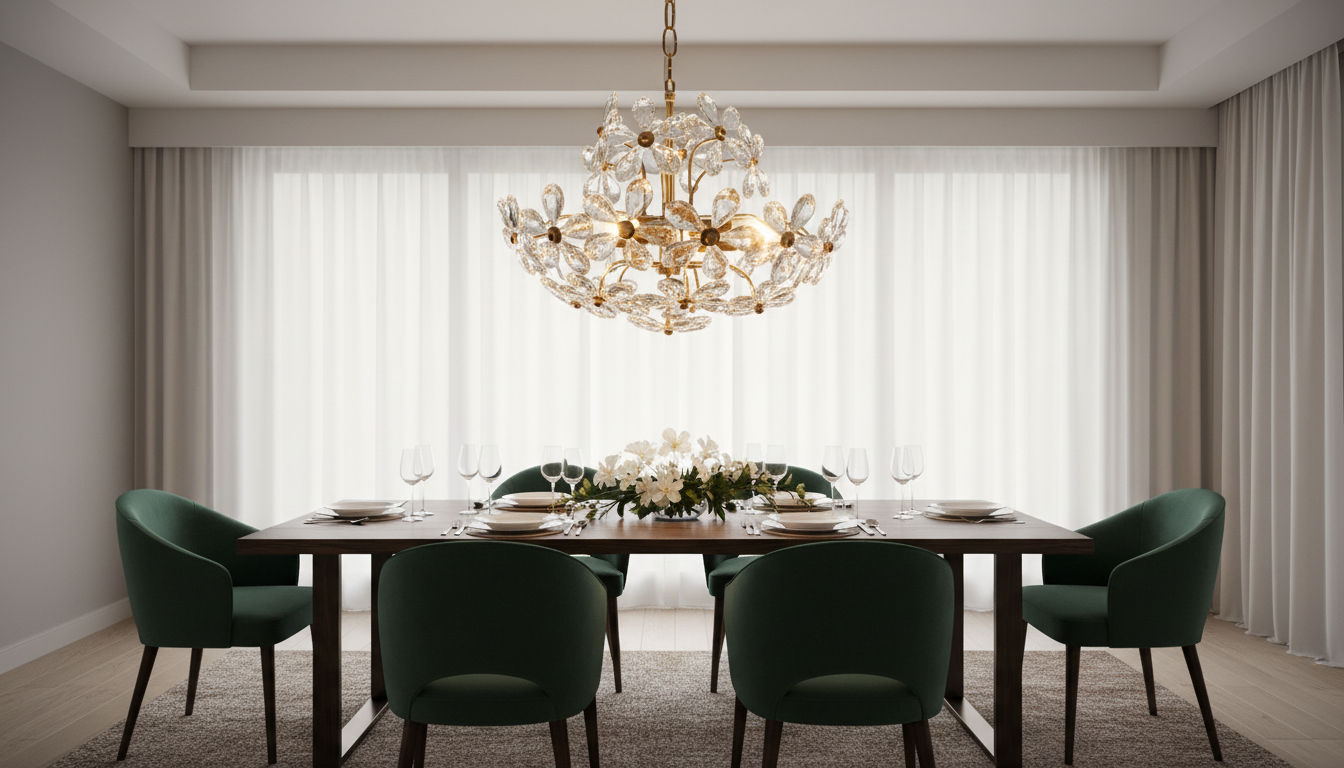
Type of item: Decorative and functional pieces vary widely. Bowls and vases may sell steadily, but statement items—like a vintage crystal chandelier—often have the biggest upside because buyers pay for both craftsmanship and visual impact.
Cut, clarity, and weight: Deep, crisp cuts, high clarity, and a heavier feel often indicate higher-quality crystal. Fine detailing and symmetrical patterns can raise value, especially when paired with a recognized style or era.
Condition and completeness: Chips, cracks, cloudiness, or missing parts reduce worth quickly. For lighting, original prisms, matching drops, intact arms, and working hardware matter; replacement crystals can be acceptable, but they generally lower collector appeal.
How to get a realistic price range
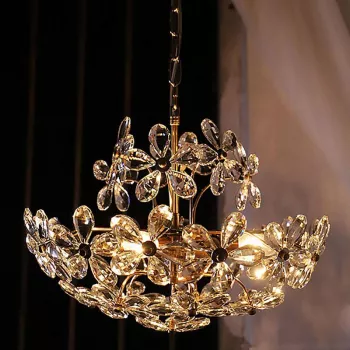
Start by identifying the piece and comparing recent sold prices (not just listings). For chandeliers and crystal lighting, factor in size, number of lights, metal finish, and the cost of restoration or rewiring. If you’re evaluating a romantic, old-world fixture style, the materials and detailing can be major value multipliers. For more on what to look for in vintage crystal lighting, see this guide to copper crystal flower chandeliers.
Quick takeaway
Vintage crystal is often “worth something,” but the highest prices usually go to identifiable makers, exceptional craftsmanship, and pieces with strong decorative presence—especially complete, well-preserved vintage chandeliers.
FAQ
How can you tell if crystal is real?
Real crystal is typically heavier than standard glass, has sharper and more precise cuts, and often produces a clear, bell-like ring when gently tapped. Look for maker marks and strong light refraction (a crisp sparkle) as additional clues.











Leave a comment