Tufted Sofas in 2026: Still Stylish or Dated?
Are Tufted Sofas Still in Style?
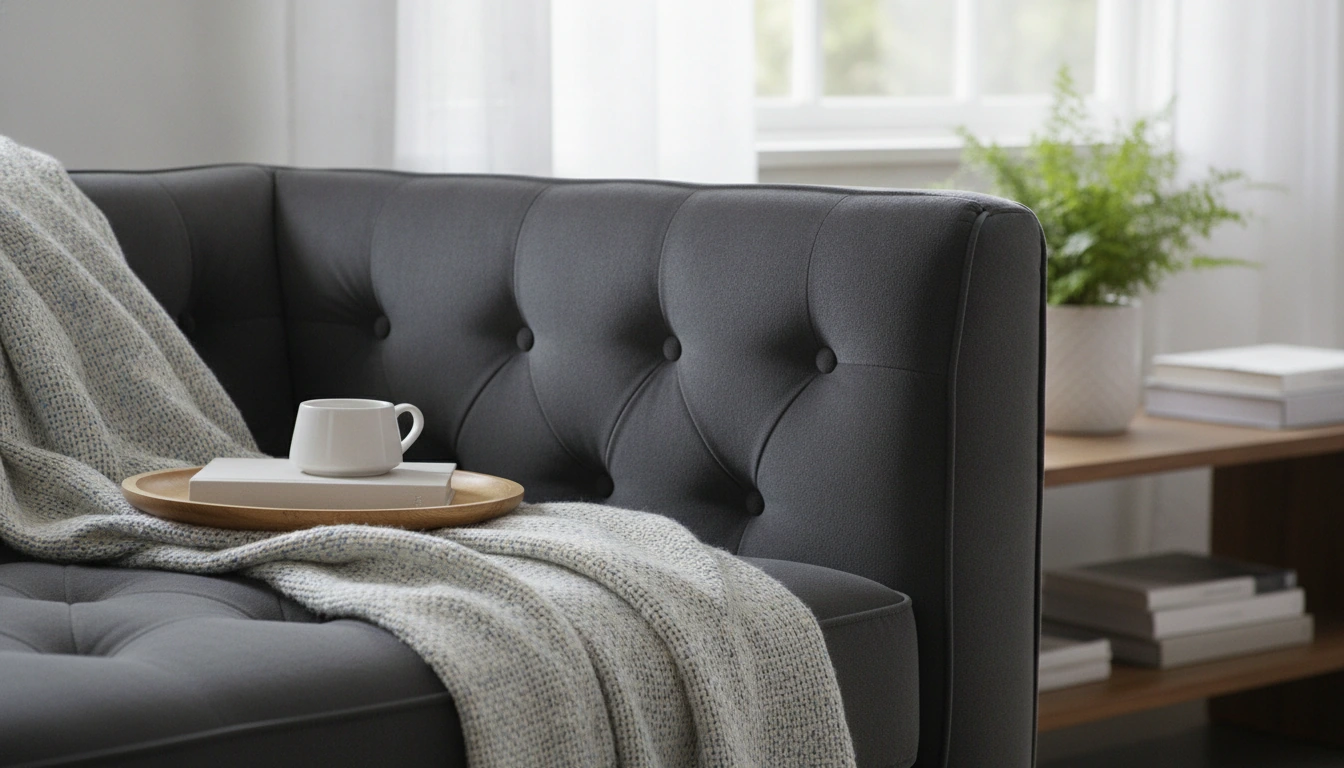
Yes—tufted sofas are still in style, but today’s look is more about intentional detail than heavy ornament. Tufting adds texture, depth, and a tailored finish that works across popular aesthetics, from modern transitional to updated traditional. The key is choosing the right scale and silhouette so the tufting feels crisp, not fussy.
What Makes Tufting Feel Current Right Now?
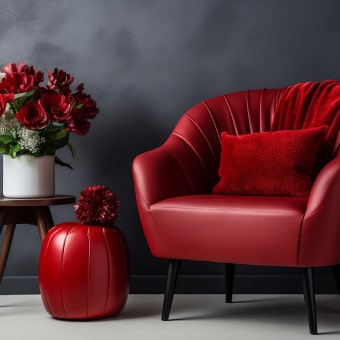
Contemporary tufted sofas often pair cleaner lines with subtle buttoning or channel-style tufting. Low-profile frames, slim arms, and tighter seat cushions help tufting read modern. Materials also matter: suede-like performance fabrics and leather bring a sleek, elevated vibe, while oversized, deeply tufted “chesterfield” looks lean more classic and formal.
How to Style a Tufted Sofa So It Doesn’t Look Dated
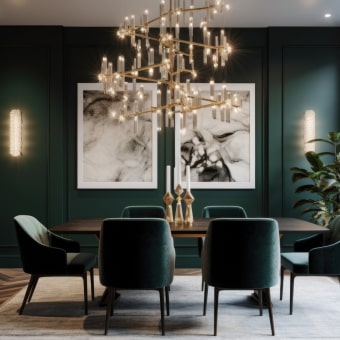
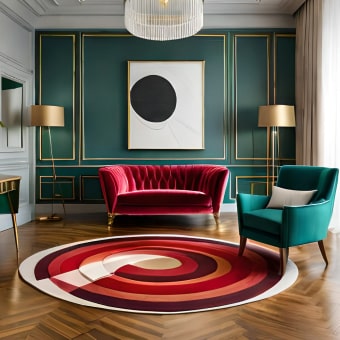
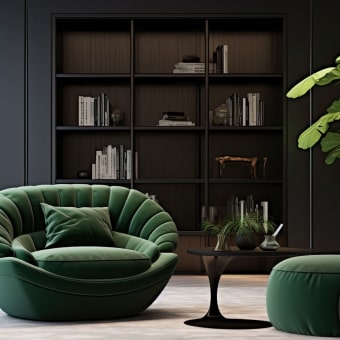
Balance is everything. If the sofa has prominent tufting, keep surrounding pieces simple: a streamlined coffee table, minimal lamps, and a few structured pillows instead of lots of ruffles or fringe. Neutral tones (tan, camel, cream, charcoal) tend to feel timeless, while rich colors like deep green or cognac can look fresh when paired with modern metals and clean-lined rugs.
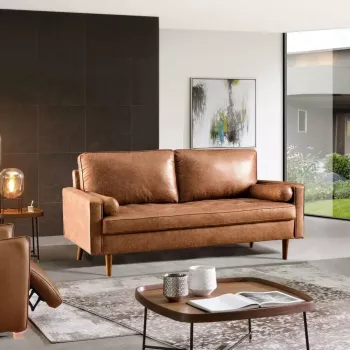
For small spaces, pay close attention to proportion. A tufted sofa can anchor a room without overwhelming it when the dimensions fit the layout and traffic flow. For a practical deep-dive on sizing, materials, and care—especially if you’re considering a 70-inch tufted suede leather sofa—visit this guide.
Is a Tufted Sofa Practical for Everyday Use?
It can be. Tufting helps hide minor creases and gives cushions a structured look, but it may require a bit more attention when cleaning around buttons or seams. Choosing durable upholstery (like quality leather or performance fabric) and keeping up with regular vacuuming and spot care can make tufted sofas a solid everyday option.
FAQ
What’s the difference between button tufting and channel tufting?
Button tufting uses fabric pulled into dimples secured by buttons, creating a classic, textured pattern. Channel tufting forms raised, even ridges without buttons, which typically reads more modern and streamlined.








Leave a comment