220V 6000W Instant Water Heater for Wall Shower Use
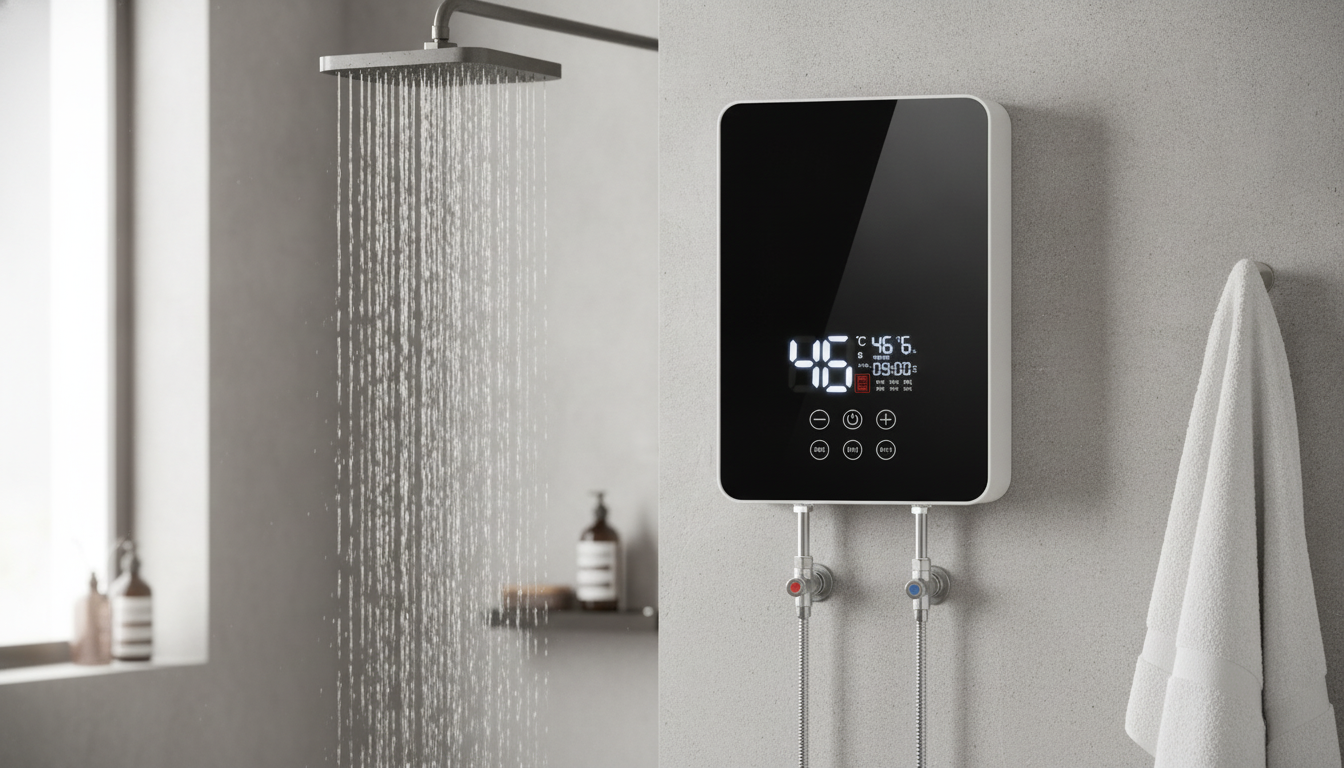
Mini 220V Instant Electric Water Heater (6000W) with Wall-Mounted Portable Shower
A compact, wall-mounted electric heater that warms water on demand can be a smart workaround when a storage tank is impractical. With a 6000W, 220V class instant unit, the shower experience depends heavily on the basics: available electrical supply, stable water pressure, and how cold the incoming water is—especially during winter or in colder regions.
What this heater is best suited for
- On-demand hot water for a single point of use such as a shower area, utility sink, or small wash station
- Tight spaces where a tank heater won’t fit (small bathrooms, cabins, workshops, add-on washrooms)
- Situations where keeping a tank hot all day is undesirable
- Users who can provide a dedicated 220V electrical circuit and appropriate safety protection
If the goal is quick hot water at one location—without waiting for a tank to recover—this style of heater can be a practical, space-saving solution.
How instant electric water heating behaves in real showers
Instant electric heaters raise the temperature of water only while it’s flowing. That means the outlet temperature isn’t a fixed number; it’s the result of three variables working together:
- Inlet temperature: Colder incoming water requires more energy to reach a comfortable shower temperature.
- Flow rate: Higher flow moves more water past the heating element each second, reducing the temperature rise.
- Heater power: A 6000W unit can deliver a noticeable temperature boost, but it has limits when flow is high or inlet water is very cold.
Most people get the best comfort by pairing an instant heater with a shower head that supports lower-to-moderate flow and by keeping other high-demand fixtures (like a kitchen faucet or washing machine) off while showering.
Key build and usability highlights to look for
- Wall-mounted form factor: Helps keep the unit stable, organized, and out of the way near the shower area.
- 6000W heating class: Designed for rapid heat-up when supplied by a suitable 220V circuit.
- Practical temperature adjustment: Many units rely on power level selection and/or careful flow control for comfort tuning.
- Shower-oriented fittings: Accessories intended for shower use can simplify installation and reduce the need for extra adapters.
For daily use, the most important “feature” is often consistency: stable pressure and repeatable settings that make it easy to get the same comfortable output each time.
Electrical and installation requirements (220V, 6000W)
Because a 6000W heater is a high-power appliance, planning the electrical side correctly is essential. For safety guidance and broader context, it’s worth reviewing the U.S. Department of Energy’s overview of water heating at energy.gov and the National Electrical Code overview from NFPA at nfpa.org.
Electrical and installation checklist (typical planning items)
| Item to verify | Why it matters | What to do before first use |
|---|---|---|
| Supply voltage matches rating (220V) | Incorrect voltage can cause poor performance or damage | Confirm your mains supply and label at the panel; verify unit rating plate |
| Circuit capacity and breaker size | High-power heaters draw significant current during operation | Use a dedicated circuit sized per code and manufacturer guidance |
| Wet-area protection (GFCI/RCD) | Reduces shock risk in bathroom/shower environments | Install required protection device and test it |
| Grounding/earthing | Essential for safety and fault protection | Verify ground continuity and proper termination |
| Plumbing leak check | Leaks can damage surfaces and create electrical hazards | Pressurize lines, inspect all joints, and re-check after warming cycles |
Always follow local electrical code and the manufacturer’s instructions, particularly for bathrooms and other wet locations. A key rule for instant heaters: never energize the unit until it is fully filled with water and verified leak-free.
Mounting and hookup overview (practical sequence)
- Choose a mounting location that supports the unit’s weight and keeps it accessible for adjustments and service.
- Shut off the water supply; complete plumbing connections with appropriate thread sealant or gaskets as required.
- Flush the line briefly (where practical) to reduce debris that can foul inlets or screens.
- Only energize the heater after confirming it is filled with water and all connections are leak-free.
- Test at a moderate flow first, then fine-tune temperature using the unit controls and shower head settings.
Using it day to day: comfort, stability, and scald prevention
- Start with a lower power/temperature setting and increase gradually to avoid sudden hot output.
- Keep flow consistent. Big swings in flow can change outlet temperature quickly.
- If household pressure varies, a pressure-balancing shower valve can help maintain a steadier feel.
- For households with children or seniors, set safer temperatures and consider anti-scald protection. The U.S. Consumer Product Safety Commission provides scald prevention guidance at cpsc.gov.
Maintenance and troubleshooting basics
When a compact instant heater is the right choice (and when it isn’t)
In-stock picks
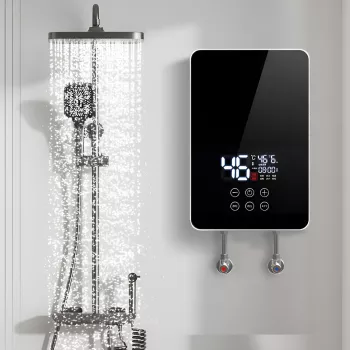
- Mini 220V Instant Electric Water Heater, 6000W, Wall-Mounted Portable Shower
- 23-Piece Professional Makeup Brush Set
FAQ
Does a 6000W instant heater provide enough hot water for a comfortable shower?
It can, as long as inlet water temperature and flow rate are within the unit’s comfort range. In colder climates, reducing flow (or using a lower-flow shower head) often makes the difference between lukewarm and comfortably warm water.
Can it be installed in a bathroom shower area safely?
Yes, when it’s mounted appropriately and installed to local code with proper grounding and wet-area protection (such as GFCI/RCD where required). Never power the unit on until it’s filled with water and all plumbing connections are confirmed leak-free.
What electrical circuit is typically needed for a 220V, 6000W unit?
A dedicated 220V circuit is typically required, and current draw is roughly power divided by voltage (so it can be substantial). Breaker size, wire gauge, and a proper disconnect must match manufacturer specifications and local electrical code.













Leave a comment