Reflective Dog Harness & Leash Set: Adjustable Comfort
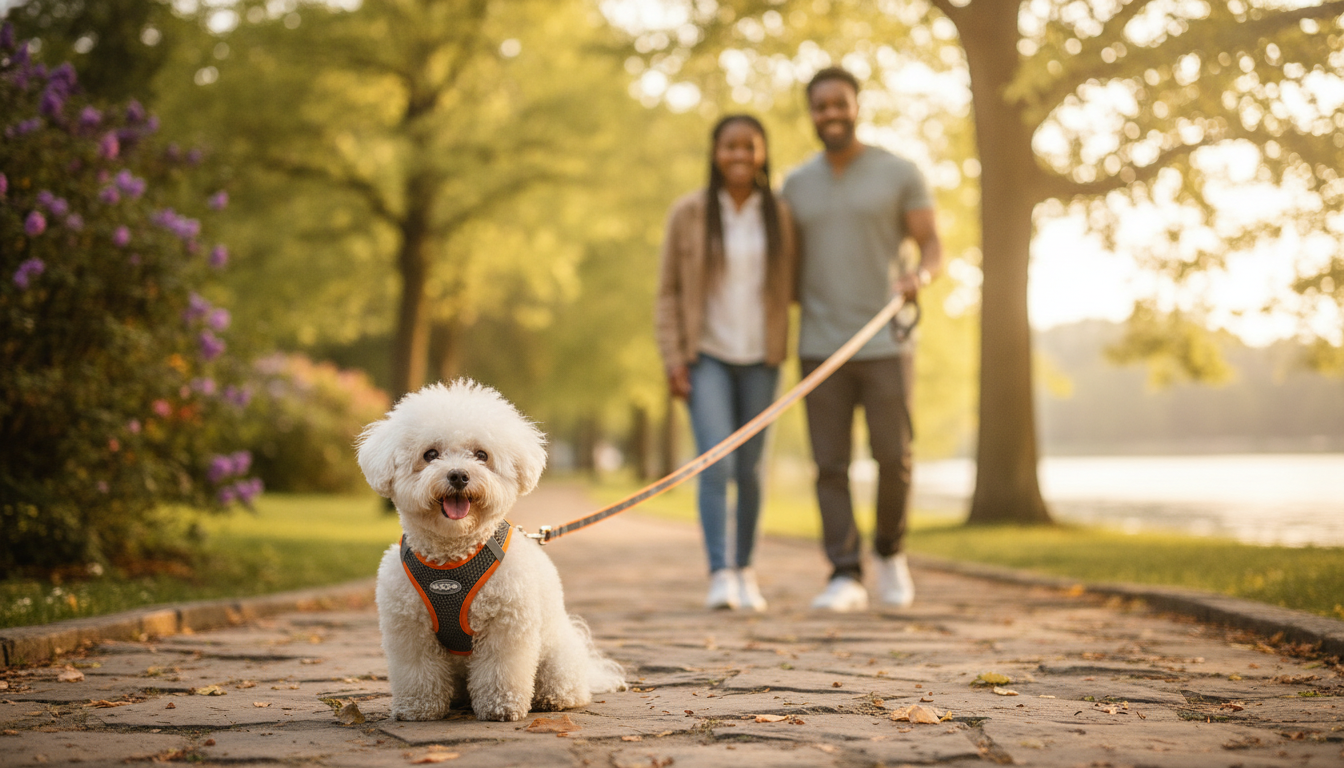
Adjustable Reflective Dog Harness and Leash Set for Safer, More Comfortable Walks
Evening strolls, early-morning potty breaks, and busy sidewalks all demand two things: a secure fit and clear visibility. An adjustable harness paired with a matching leash can help reduce pulling pressure on the neck, improve handling, and make dogs easier to spot in low light—while keeping everyday walks simple and consistent.
What Makes a Harness-and-Leash Set Practical for Daily Use
A coordinated harness-and-leash set removes a lot of small hassles that can add up over time. With one consistent setup, there’s less chance of mismatched clip sizes, incompatible hardware, or a leash snap that doesn’t sit cleanly on the harness ring. That consistency matters most when walks are frequent and quick—think before-work potty breaks or after-dinner loops.
Many owners also prefer a harness because it can distribute pressure across the chest and shoulders rather than focusing it at the throat. That can be especially helpful for dogs that lunge, pull, or get excited when they see squirrels or other dogs. Add adjustability and reflective details, and you get an everyday solution that’s comfortable in motion and easier to see around headlights at dawn and dusk.
Comfort and Control: How an Adjustable Fit Helps
Adjustability isn’t just about “making it bigger or smaller.” The best fit comes from fine-tuning multiple points so the harness stays stable without rubbing. Look for adjustment points that let you balance the neck and chest area; even tension on both sides helps the harness sit centered and reduces shifting during turns.
A snug-but-not-tight fit helps prevent backing out while still allowing full shoulder movement. If straps sit too close to the armpits, they can chafe—especially for short-coated dogs or energetic walkers who rack up miles. Features like smooth edge binding or padding can reduce friction, and a secure chest panel can help keep the leash connection aligned so the harness doesn’t twist when your dog changes direction.
When the harness stays put, dogs often feel more predictable pressure cues through the leash, which can reduce startle reactions and support calmer leash manners over time.
Low-Light Visibility: Using Reflective Details the Right Way
Reflective trim works best when a light source hits it directly—car headlights, streetlights, or a handheld flashlight. It’s a visibility booster, not a replacement for illumination in areas with no ambient light. For unlit trails or rural roads, pairing reflective gear with a small clip-on LED or light-up tag can make your dog easier to spot from multiple angles.
To keep reflective material performing well, wipe off mud and grime; dirt can dull reflectivity. If you have options, choose a high-contrast harness color for daytime visibility too—useful at crosswalks, in parking lots, or when your dog blends into the landscape.
Fit and Safety Checklist Before the First Walk
Harness Fit Quick Check (Printable-Style Guide)
| Check | What to Look For | Fix If Needed |
|---|---|---|
| Chest strap position | Sits behind the front legs without rubbing the armpits | Loosen slightly or adjust strap routing to move it back |
| Neck opening | Doesn’t press on the throat; allows normal panting | Adjust upper straps for more clearance |
| Escape risk test | Dog cannot back out when stepping backward | Tighten evenly; ensure buckle is fully clicked |
| Gait and shoulders | Full shoulder rotation; no strap cutting across joints | Reposition harness higher/lower depending on design |
| Leash connection alignment | D-ring stays centered and doesn’t roll excessively | Balance strap tension on both sides |
Choosing the Right Setup for Different Walking Styles
Care and Maintenance for Long-Lasting Performance
Product Spotlight: Adjustable Reflective Dog Harness and Leash Set
If you’re looking for a coordinated, everyday option, the Adjustable Reflective Dog Harness and Leash Set is designed as a matching harness-and-leash pairing for routine walks. The adjustable fit helps tailor comfort and security for a range of body shapes, while reflective details support visibility in low-light conditions. For best results, use the fit checklist above before longer outings and recheck adjustments after the first few walks as straps settle into place.
Helpful Add-Ons for a Safer Routine
- For seniors, recovering pets, or long outings: A stroller can reduce fatigue while keeping your dog close and secure. The Luxury Large Dog Stroller can be a practical option for longer trips where paws need a break.
- For calmer post-walk routines: A comfortable feeding setup can help some dogs settle after exercise. The Elevated Ceramic Pet Bowl with Solid Wood Stand pairs well with a consistent “walk, water, rest” routine.
Extra Safety Guidance from Trusted Sources
For additional perspective on choosing and using walking gear safely, consult guidance from the American Kennel Club (AKC) and dog-walking safety tips from the ASPCA.
FAQ
Is a harness better than a collar for walking?
A harness can spread pressure across the chest and shoulders instead of concentrating it on the neck, which many owners find helpful for pullers or dogs with sensitive airways. A collar can still be useful for holding ID tags and for very quick trips, but many dogs walk more comfortably in a well-fitted harness.
How tight should an adjustable dog harness be?
Use the two-finger guideline at the neck and chest openings: snug enough that two fingers fit comfortably, but not so loose that your dog can back out. Confirm there’s armpit clearance and full shoulder movement, then recheck fit after a short walk since straps can settle.
Do reflective harnesses work in complete darkness?
Reflective details need a light source to shine back, so they won’t help much in complete darkness by themselves. For unlit areas, pair reflective gear with a small LED light and keep reflective surfaces clean for best visibility.















Leave a comment