Breathable Anti-Slip Universal PU Leather Seat Covers Guide
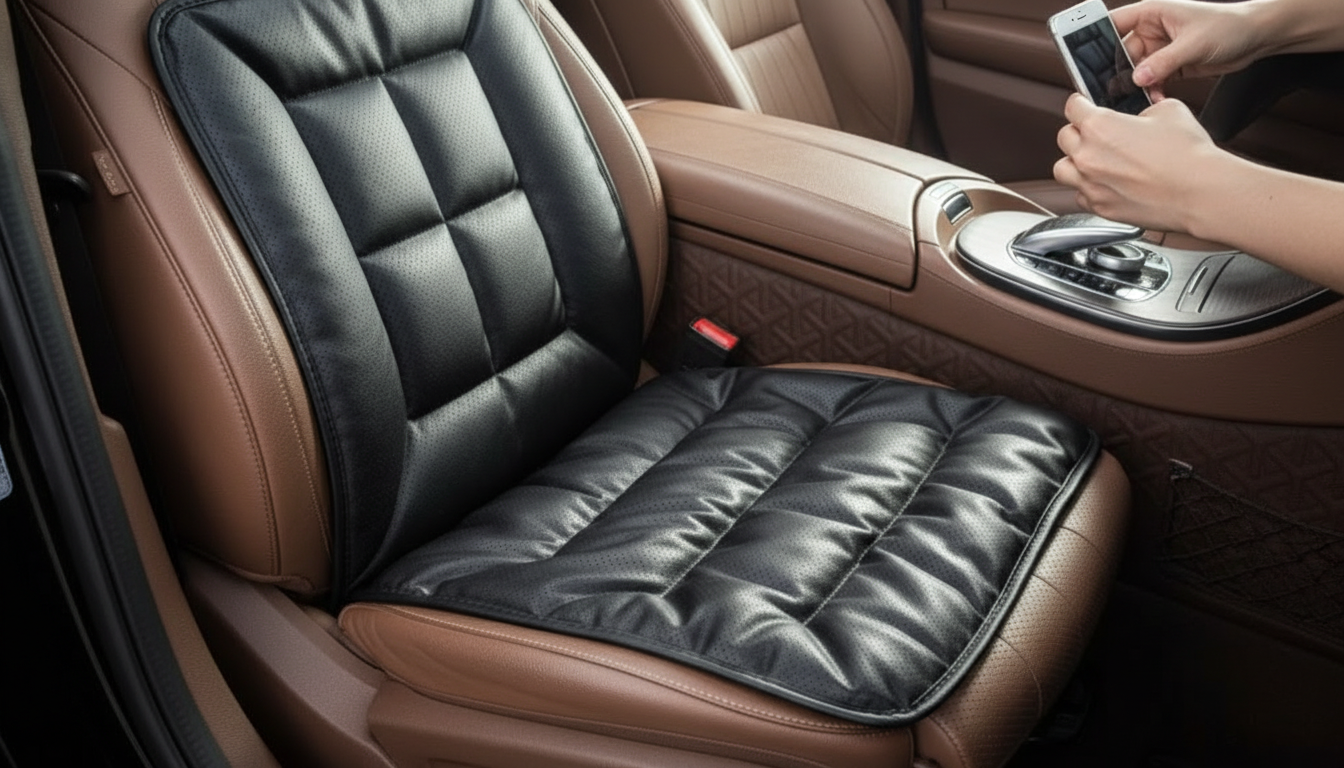
Universal PU Leather Car Seat Covers with Breathable Anti-Slip Design
A practical way to refresh a worn interior, reduce everyday scuffs, and make cleanup easier is a set of seat covers that stays put. Universal PU leather seat covers with a breathable, anti-slip build are made for real-life driving—commutes, carpools, pets, weekend projects, and quick coffee runs—where the seats take constant contact. Below is what these covers are designed to do, how they feel in different conditions, what “universal fit” truly means, and how to install and maintain them for a cleaner-looking cabin.
What These Seat Covers Are Designed to Do
Seat covers aren’t only about style. A well-made universal PU leather set is primarily a barrier between your factory upholstery and daily wear. That matters whether your seats are cloth (prone to stains and odors) or factory leather (prone to scuffs, creasing, and dye transfer from clothing).
- Create a protective layer over factory upholstery to help reduce wear from daily commuting, kids, pets, and work clothes
- Add a smoother, leather-like surface that can be wiped clean more easily than many fabrics
- Use a breathable structure to reduce the “sticky” feel that can happen with non-breathable materials
- Use an anti-slip backing/texture to limit shifting during entry/exit and longer drives
- Provide a universal-fit approach intended to work across many vehicle seat shapes, within reasonable limits
If your main frustration is constantly adjusting bunched-up covers, the anti-slip and anchoring features are often the deciding factor—not just the material.
Material and Comfort: PU Leather + Breathability
PU leather (polyurethane) is popular for drivers who want a clean, modern look without the routine conditioning and higher cost associated with genuine leather. In day-to-day use, PU leather typically handles minor spills, dust, and crumbs better than porous fabric, since cleanup is usually a quick wipe rather than a full shampoo.
Breathability is the comfort piece. Many breathable designs use perforations, layered fabric panels, or airflow channels that help reduce heat buildup where your back and legs contact the seat. The goal is a balanced feel: structured enough to look tidy and resist sagging, yet flexible enough to follow common seat contours and bolsters without pulling too tight.
One practical note: darker covers can feel warmer when the car sits in direct sun. Using a windshield shade, cracking the windows slightly when parked safely, and running the A/C for a minute before sitting down can noticeably improve first-touch comfort.
Anti-Slip Design: Why It Matters
“Anti-slip” isn’t just a marketing detail. Reduced sliding can make the seat feel more stable during cornering and braking, and it helps the cover keep a neat, centered appearance instead of drifting over time. That means fewer mid-week re-tucks and less bunching under your legs.
The best results usually come from a combination of features:
- A grippy underside or textured backing that increases friction against the factory seat surface
- Secure anchoring methods such as hooks, straps, or tuck-in flaps that hold the cover in place
- Even tightening across all straps, so the cover doesn’t twist or “walk” to one side
If your vehicle has very slick factory leather, take an extra couple of minutes during installation to tighten straps gradually and evenly. That small effort is often what makes the difference between a cover that stays put and one that needs constant readjustment.
Fit and Compatibility Checklist
Universal fit covers are designed to work across many vehicles, but they still have limits. Before buying, check your seat type and the areas that must remain accessible—especially seat belts and child-seat attachment points.
Quick Fit & Feature Check
| What to check | Why it matters | What to look for |
|---|---|---|
| Side airbag areas | Helps keep safety features unobstructed | Side-airbag compatible labeling; no heavy stitching over airbag zones |
| Headrest style | Determines whether the cover can sit flush | Openings or separate headrest pieces; adjustable closures |
| Seat belt access | Prevents daily frustration and unsafe routing | Clear buckle openings; no fabric bunching over buckles |
| Seat shape/bolsters | Affects wrinkling and shifting | Elastic edges, straps, and enough contour allowance |
| Anchoring points | Improves stability and appearance | Hooks/straps/tuck-in flaps; anti-slip backing |
Also confirm whether you have high-back or low-back seats, integrated headrests versus removable headrests, and any armrests. For rear seats, split configurations (like 60/40) can be a deciding factor; some universal sets accommodate splits better than others.
For safety, always ensure seat belt buckles and ISOFIX/LATCH points remain reachable and usable. For more background on restraint systems, see the NHTSA guides on seat belts and air bags.
Installation: Getting a Smooth, Secure Fit
A clean, careful install is what makes universal covers look “installed” instead of “thrown on.” Plan for a little extra time the first time around.
Care and Longevity
When This Style Makes the Most Sense
Featured In-Stock Picks
- Universal PU Leather Car Seat Covers with Breathable Anti-Slip Design (USD 15.97)
- Dr. Martens Women’s Black Leather Boots (USD 141.51)
- Diadora Men’s Green & White Leather Sneakers (USD 96.51)
FAQ
Will universal seat covers fit any car seat?
Universal covers fit many common seat shapes, but not every seat. Headrest design, side bolsters, armrests, and overall seat dimensions can affect fit, so measuring and checking compatibility details helps avoid gaps or bunching.
Are these covers safe for seats with side airbags?
Choose covers labeled as compatible with side-airbag deployment and avoid designs that place heavy stitching or tight straps over airbag seam areas. If there’s any uncertainty, follow both vehicle guidance and the cover manufacturer’s instructions.
How do these stay from sliding around?
They rely on a combination of anti-slip backing and anchoring hardware like straps, hooks, and tuck-in flaps. A careful install—centering the cover, tightening evenly, and re-checking after a short drive—usually delivers the most stable result.













Leave a comment