Elevated Ceramic Pet Bowl + Solid Wood Stand Guide
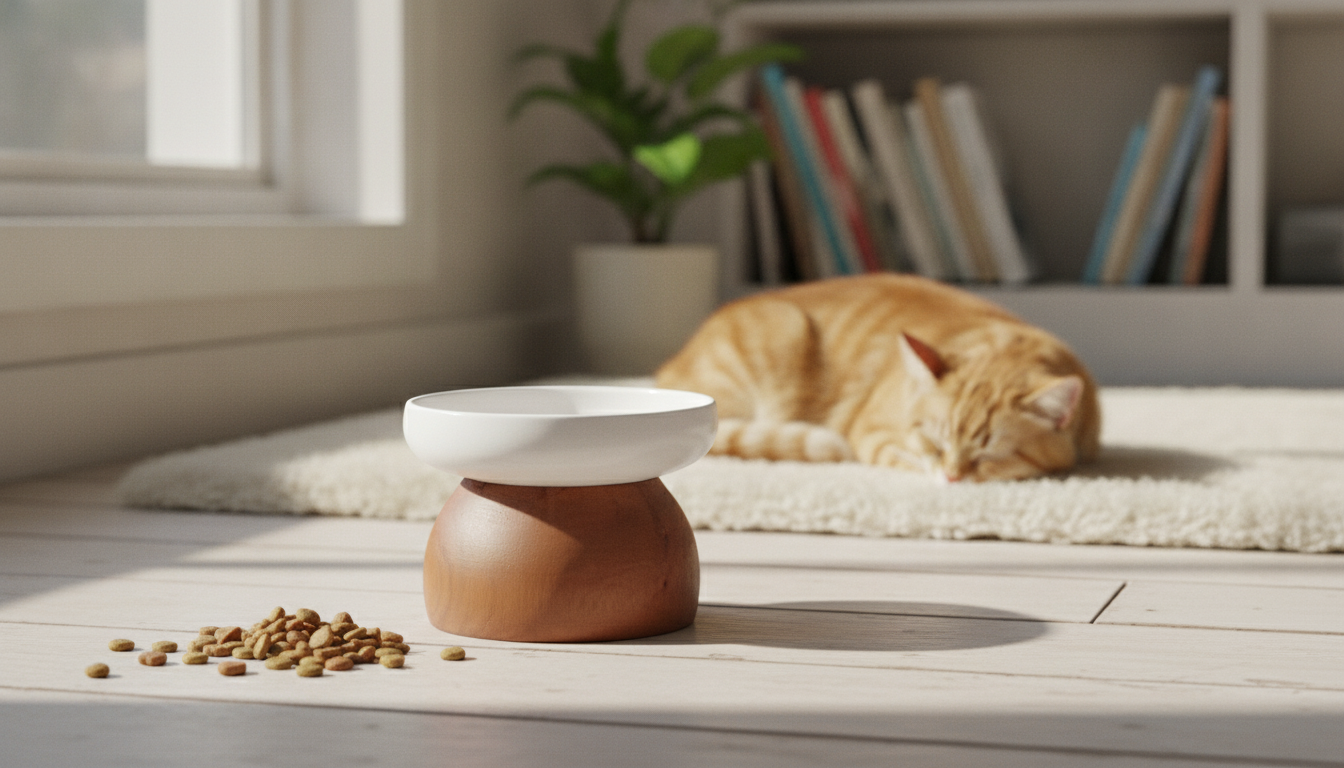
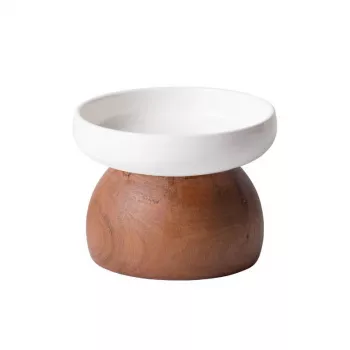
Elevated Ceramic Pet Bowl with Solid Wood Stand
An elevated feeding setup can make daily meals tidier and more comfortable, especially for pets that prefer a more natural neck and shoulder position while eating. This elevated ceramic bowl paired with a solid wood stand blends easy-to-clean materials with a stable, furniture-like look that suits kitchens and feeding corners. For more guidance, see Choosing the Right Dog Bowl for Your Dog.
If you’re setting up a dedicated station, the Elevated Ceramic Pet Bowl with Solid Wood Stand offers a simple routine: lift, serve, remove the bowl to wash, and keep the stand looking sharp with quick wipe-downs. For further reading, see Qotw: How Do You Identify Pottery? – Forums – Ceramic Arts Network.
What makes an elevated bowl different
Standard bowls sit low, which can lead to awkward angles for some pets and extra mess when a bowl gets nudged around. Elevated designs change the experience in a few practical ways.
- Raises the food and water closer to chest height, reducing the need to hunch down.
- Helps keep kibble and water more contained compared with bowls that slide across the floor.
- Creates a defined feeding station that’s easier to place on a mat and keep consistent.
- Often preferred for pets that eat quickly because the setup can feel steadier and less “chase the bowl.”
The biggest win tends to be consistency: same place, same height, and fewer skids across tile or hardwood.
Materials that matter: ceramic bowl + solid wood stand
Material choice impacts both hygiene and day-to-day durability. Ceramic and wood each bring strengths, and together they create a balanced setup that’s functional and visually at home in a living space.
- Ceramic is non-porous when properly glazed, which helps with odors and makes cleanup simpler.
- Ceramic weight can discourage tipping compared with very light bowls.
- Wood stands add stiffness and a stable footprint; look for smooth finishes and sealed surfaces for wipe-downs.
- Separating the bowl from the stand makes washing the bowl easier while keeping the stand dry.
| Component | Practical benefit | Care notes |
|---|---|---|
| Ceramic bowl | Resists lingering smells and stains when glazed; comfortable for daily use | Check for chips/cracks; wash regularly; dry fully before returning to stand |
| Solid wood stand | Stable feeding height; reduces sliding; looks like home decor | Wipe spills promptly; avoid long soaks; use a feeding mat to protect floors |
| Elevated design | More comfortable posture for many pets; keeps feeding area more organized | Choose a height that doesn’t force the neck to crane up or down |
Comfort and posture: choosing the right feeding height
Height is the make-or-break detail. A good elevated bowl supports a neutral posture—less folding at the neck and shoulders—without forcing your pet to reach up.
- A good height allows the pet to eat with a neutral neck position—no deep bending and no stretching upward.
- For short pets, too much elevation can be uncomfortable; for taller pets, a slight lift may feel more natural.
- If unsure, test by placing the bowl on a sturdy platform temporarily and observing posture and swallowing ease.
- Pets with arthritis or mobility limitations may benefit from reduced bending, but comfort should be the deciding factor.
Look for relaxed body language: steady stance, easy swallowing, and no hesitation approaching the bowl. If your pet seems to step back repeatedly, crane the neck, or spill more than usual, it may be worth adjusting the height or placement.
For dog owners with specific concerns—especially deep-chested breeds or dogs with a history of bloat—consult your veterinarian for individualized guidance. Authoritative overviews from the AVMA and Cornell University College of Veterinary Medicine are useful starting points.
Stability and spill control
Even a well-chosen bowl can turn messy if it slides or tips. The combination of a solid stand and a heavier ceramic bowl generally helps, but a few setup tweaks can keep the area cleaner.
- A wider base and solid materials help resist tipping during enthusiastic eating or pawing.
- Place the stand on a level surface; add a silicone mat underneath to catch droplets and protect flooring.
- Keep the area around the stand clear so paws don’t bump it during turning and backing away.
- For messy drinkers, refill a bit below the rim and wipe the stand after each water change.
Cleaning and upkeep
Who this setup tends to suit best
Product details and where it fits in a routine
For pets that need a more comfortable “out and about” option as well—like seniors or dogs recovering from injuries—pairing a stable home feeding station with supportive travel gear can simplify your day. The Luxury Large Dog Stroller is one option for longer walks and errands when breaks are needed.
When you’re ready to set up a clean, consistent feeding corner, the Elevated Ceramic Pet Bowl with Solid Wood Stand is designed to look intentional in your space while staying practical for everyday meals.
FAQ
Are elevated bowls safe for dogs?
They can be, as long as the height fits your dog’s posture and mealtimes stay calm rather than rushed. If your dog is deep-chested or has a prior bloat history, discuss individual risk factors with your veterinarian and focus on correct bowl height and slow-eating strategies.
How often should a ceramic pet bowl be cleaned?
Wash after each wet meal, and clean water bowls frequently since biofilm can build up quickly. Replace any ceramic bowl that becomes chipped or cracked because damaged glaze can harbor bacteria.
Will the wood stand be damaged by water spills?
Most stands hold up well with prompt wipe-downs and a protective mat underneath. Avoid soaking the wood, dry it after cleaning, and keep the feeding area well-ventilated to reduce lingering moisture.









Leave a comment