Full Loft Bed with Tent: Space-Saving Sleep & Play
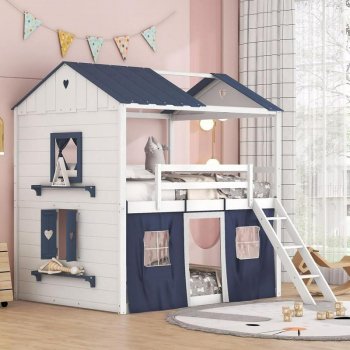
Full Loft Bunk Bed with Tent and Playhouse Design: Sleep Up Top, Imagination Down Below
A full loft bed with a tent and playhouse setup turns one footprint into two purposeful zones: a roomy sleep platform above and an open “hideaway” underneath for reading, pretend play, and quiet time. It’s a practical way to protect floor space while still giving kids a place that feels like their own. If you’re considering a Full Loft Bunk Bed with Tent and Playhouse Design, the details that matter most are fit, safety, materials, and how the bed will actually be used day to day.
What This Loft Bed Adds to a Kid’s Room
- Two zones in one: a full-size sleep surface up top and a flexible play/lounging area below.
- A defined “nook” effect: tent and playhouse panels create a cozy corner for books, forts, and imaginative games.
- Better use of small rooms: the open space underneath helps shared bedrooms feel less crowded.
- A room centerpiece: the integrated play space can reduce the need for extra play furniture that eats up floor area.
Design Highlights to Look For
- Full-size upper bed: more stretch-out room than a twin, which can be helpful for growing kids and the occasional sleepover.
- Ladder placement: confirm whether the ladder sits on the left or right (and whether it’s reversible) so it won’t block doors, closets, or pathways.
- Guardrails: prioritize full-length rails, minimal gaps, and a secure connection to the frame for stable, consistent coverage.
- Tent/playhouse fabric: check how panels attach (ties, hook-and-loop, snaps) and whether they’re removable for washing.
- Under-bed clearance: enough headroom for play, storage bins, or a reading corner without feeling cramped.
Room Fit and Layout Planning
A loft bed is a “measure twice” purchase. Before ordering, map out the bed’s footprint and the ladder approach so daily routines stay easy—especially at bedtime and in the morning rush.
- Measure wall-to-wall space: include clearance on the ladder side so climbing doesn’t happen in a tight pinch point.
- Plan for ceiling height: the top sleeper should have comfortable sitting space and safe distance from ceiling fans or low-hanging fixtures.
- Think about bedside needs: a small wall shelf can replace a nightstand if floor space is limited.
- Protect traffic flow: keep a clear route past the ladder and away from door swings and closet access.
- Plan for future use: the under-loft area can evolve from playhouse to lounge, reading den, or storage zone as your child grows.
Quick Room-Planning Checklist
| Item to check | Why it matters | What to confirm before ordering |
|---|---|---|
| Ceiling height and fan clearance | Reduces bump risks and improves comfort on the top bed | Distance from mattress top to ceiling/fan; safe buffer space |
| Bed footprint | Ensures the frame fits without blocking doors or closets | Overall length/width from product page and room measurements |
| Ladder placement | Affects access and room flow | Left/right ladder orientation and any reversible setup |
| Under-loft height | Determines play comfort and storage options | Clearance from floor to underside of the bed platform |
| Mattress thickness limits | Impacts guardrail effectiveness | Maximum mattress height recommended by the manufacturer |
Safety Considerations for Loft Beds with Play Features
Loft beds can be safe and comfortable when they’re used as intended and set up carefully. For general guidance on guardrails and bunk/loft bed safety expectations, review resources like the U.S. Consumer Product Safety Commission (CPSC) bunk bed guidance and the ASTM F1427 bunk bed safety specification.
- Age readiness: top bunks/lofts are generally recommended for children 6+; younger kids may not have the coordination for safe climbing.
- Guardrail coverage: look for rails on all open sides and a stable entry point near the ladder.
- Ladder safety: prioritize wide, secure steps and reinforce one-at-a-time climbing.
- Tent fabric placement: keep fabric away from the ladder opening and avoid loose panels that could catch feet.
- Anchoring and stability: tighten hardware, re-check after a few weeks, and consider wall anchoring if recommended by the manufacturer.
- House rules that help: no jumping on the upper bed, no roughhousing under the loft, and keep the floor clear around the ladder.
Materials, Comfort, and Everyday Durability
- Frame construction: solid wood or metal frames tend to offer strong long-term support; always check weight capacity and how joints are designed.
- Finish quality: smooth edges and a durable coating help prevent snags, chips, and splinters.
- Noise control: re-tighten bolts periodically; felt pads at contact points can reduce squeaks as the bed settles.
- Mattress fit: use a full-size mattress that stays within the manufacturer’s height limit so guardrails remain protective.
- Fabric upkeep: removable curtains and tent panels simplify cleaning; breathable, colorfast materials hold up better to daily handling.
Assembly and Setup Tips
Making the Playhouse Space Feel Intentional
Cost, Value, and What to Prioritize
Shop In-Stock Picks
FAQ
What age is appropriate for sleeping on the top of a loft bed?
Top bunks and loft beds are generally recommended for children ages 6 and up. Set clear climbing rules, supervise as needed, and follow the manufacturer’s safety instructions for your specific bed.
What mattress thickness is safe for a loft bed with guardrails?
The mattress should not exceed the brand’s stated maximum thickness so the guardrails remain high enough above the sleep surface. Check the product specifications and choose a full-size mattress that stays within that limit.
Can the tent and curtains be removed or washed?
Many tent and playhouse panels attach with ties, hook-and-loop, or snaps and can be removed for cleaning. Confirm the care instructions before washing, and use gentle cycles only if the manufacturer allows it.














Leave a comment