Geometric Wall Hanging Decorative Mirrors That Lift Living Room Décor Instantly
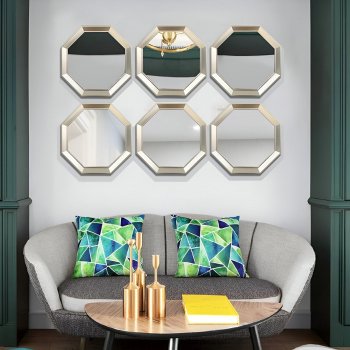
Geometric mirrors do more than reflect light—they add structure, balance, and a modern focal point that makes a living room feel finished. Our wall-hanging set is designed to bring clean lines and decorative impact to blank walls, over sofas, console tables, or in entry-to-living transitions where the room needs a little more intention. For more guidance, see Dining Room Wall Art – AdTech Windev.
What geometric mirrors add to a living room
- A defined focal point: Crisp shapes create a clear “center” for the room without relying on a single oversized art piece.
- More light where it matters: Mirrors bounce daylight (and lamp light) back into seating areas, making the space feel brighter.
- Modern texture without clutter: Clean outlines add visual interest while keeping the wall arrangement calm and ordered.
- Better balance in open plans: A geometric grouping can visually anchor the lounge area when dining and living zones share one space.
Where this style works best
- Over the sofa: Center the grouping over your main seating to create an intentional backdrop that reads “done.”
- Above a console or media unit: Mirrors pair well with low-profile furniture and help the wall feel lighter.
- Across from windows: Opposite natural light increases brightness and adds depth—especially helpful in smaller rooms.
- In a reading corner: A mirror cluster above a side table makes a tucked-away corner feel styled, not leftover.
- Between living and entry: A geometric mirror moment makes the transition feel cohesive in apartments and townhomes.
Our team’s go-to option for a quick upgrade
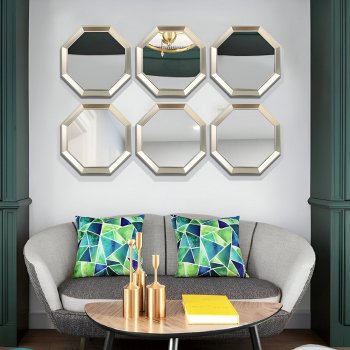
If you want the “finished living room” effect without reworking the whole space, start with our Geometric Wall Hanging Decorative Mirrors for Living Room Décor. A mirror set like this gives you a ready-made composition that looks intentional above furniture, and it’s an easy way to add brightness and clean structure in one move. For further reading, see Living in Style: Dorm Room Decor.
If your living room connects directly to the entry, small upgrades there can support the same polished feel. For example, keeping the entry visually streamlined (fewer items on the floor, one defined drop zone) helps your mirror wall read as a purposeful transition. If you’re refreshing the entry at the same time, our Dr. Martens Women’s Black Leather Boots are a practical staple that stores neatly and keeps the threshold looking tidy when paired with a simple tray or boot mat.
Styling ideas that look intentional (not random)
- Match the lines: Pair geometric mirrors with streamlined silhouettes—simple arms, clean legs, minimal ornament.
- Use a “triangle” layout: Keep one mirror slightly higher, then step the others down so your eye moves naturally across the set.
- Ground it with one long element: A sofa, console, or bench below gives the wall composition a base so it doesn’t feel floaty.
- Repeat one finish: Echo the mirror outline/frame finish in one or two smaller accents—like a lamp base, candleholders, or a tray.
- Keep nearby décor low and wide: A low vase arrangement or stacked books under the mirrors prevents visual competition.
Placement and spacing cheat sheet
- Center the arrangement first, then adjust: Align the overall group to the furniture below before you fine-tune spacing.
- Leave breathing room: Keep consistent gaps between mirrors so the geometry reads as a set.
- Mind reflections: Aim reflections toward light sources or attractive angles (a plant, a calm wall), not clutter.
- Keep sightlines comfortable: Avoid placements that reflect harsh TV glare or direct bulbs into seating positions.
- Mock it up: Painter’s tape or paper templates help you preview spacing before making holes.
Quick spacing guide for common living-room spots
| Placement |
Goal |
Practical tip |
| Over a sofa |
Create a centered focal point |
Keep the overall grouping visually centered on the sofa, not the wall |
| Over a console table |
Add height and light without bulk |
Keep décor on the console lower than the mirror group so the wall stays clean |
| Opposite a window |
Amplify natural light |
Angle the grouping so reflections capture daylight, not direct glare |
| Corner styling moment |
Make the corner feel designed |
Pair with a floor lamp or tall plant to balance vertical height |
Hanging and care basics for a clean finish
- Plan the layout on the floor first: Arrange the mirrors until the spacing looks balanced, then transfer the plan to the wall.
- Use the right wall support: Choose hardware for your wall type (drywall anchors, studs, or masonry hooks) for a secure hold.
- Level each piece: Geometric edges look best when alignment feels deliberate, not slightly tilted.
- Protect the wall: Small felt pads behind contact points help prevent scuffs and reduce shifting over time.
- Easy cleaning routine: Dust first, then wipe with a microfiber cloth and gentle glass cleaner—skip abrasive pads.
A simple way to build the rest of the room around them
For broader mirror-decor principles that pair well with these ideas, you can also reference guidance from Architectural Digest and practical placement tips from The Spruce.
FAQ
Where should geometric wall mirrors go in a living room?
Place them over a sofa, above a console/media unit, or opposite a window to bounce more light into the room. Center the overall grouping on the furniture below, and avoid positioning them where they reflect TV glare into your seating area.
How do you arrange multiple decorative mirrors so they look cohesive?
Keep spacing consistent and start by centering the full group on the furniture beneath it. A simple triangle or step-down layout looks intentional, and mocking it up with painter’s tape helps you lock in the best placement.
How do you clean decorative wall mirrors without streaks?
Dust first, then wipe the glass with a clean microfiber cloth and a light glass cleaner. Use steady strokes in one direction and avoid abrasive materials that can leave fine scratches.
Recommended for you


Leave a comment