Luxury Living Room Styling: High-End Formula + Checklist
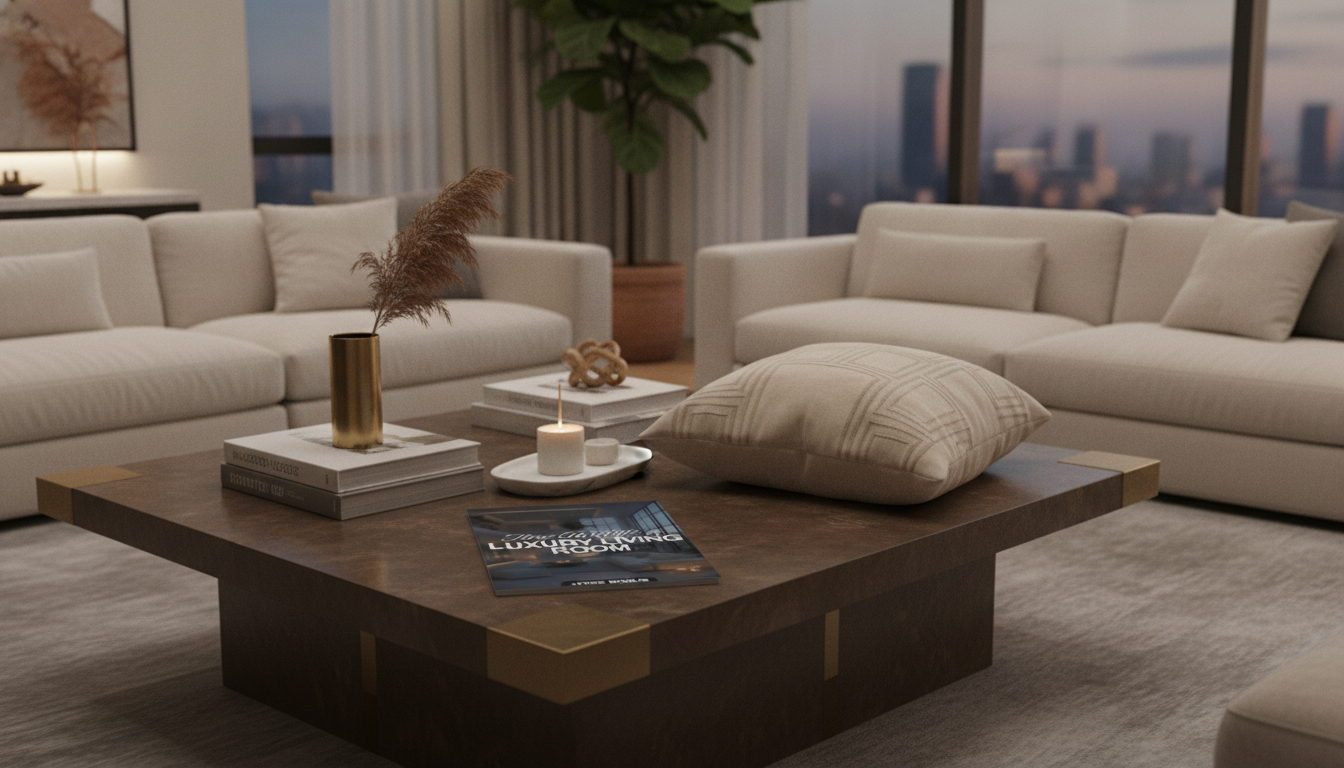
How to Style a Luxury Living Room: A Room-by-Room Formula for Elegant, High-End Interiors
Luxury in a living room is less about filling the space with expensive objects and more about composition: proportion, restraint, tactile materials, and lighting that flatters everything it touches. Use the framework below to create a calm, elevated space that feels intentional—then streamline the process with a step-by-step digital guide and printable checklist. For more guidance, see 107 stylish living room ideas to copy now | House & Garden.
Define the Luxury Mood: Quiet, Tailored, and Cohesive
Before shopping or rearranging, decide what “luxury” should feel like in your room. When the mood is clear, every choice becomes easier—and the finished space looks curated rather than collected. For further reading, see 91 Modern Living Room Design Ideas for the Ultimate Hangout Spot.
- Choose three guiding words (examples: “quiet,” “tailored,” “warm,” “gallery-like,” “boutique hotel”) and filter every decision through them.
- Pick a core palette of 3–5 tones: one dominant neutral, one secondary neutral, one controlled accent, plus metal/wood notes for warmth.
- Set a consistency rule for finishes (for example: brushed brass + warm oak + stone) so the room reads cohesive instead of mixed.
- Decide early if the space is “soft luxury” (rounded shapes, plush texture) or “architectural luxury” (clean lines, structured silhouettes).
- Plan for negative space—visual breathing room around key pieces is what makes them feel premium.
For color direction, browse trend and palette guidance from Pantone and then translate it into quieter, livable tones (think layered neutrals plus one deep accent).
Start with the Anchor Pieces: Sofa, Rug, and Coffee Table
Luxury reads instantly when the “big three” are proportioned correctly. These anchors set the scale for everything else—lighting, art, and even how much décor is needed.
- Sofa: prioritize scale and silhouette. Low, deep seating reads modern and expensive; tailored arms and tight upholstery read classic-luxe.
- Rug: size up. A too-small rug is the fastest way to shrink a room visually—aim for front legs of major seating on the rug.
- Coffee table: choose one hero material (stone, solid wood, lacquer, or metal + glass) and match the shape to the layout (rectangular for long sofas; round/oval to soften angles).
- Build a deliberate texture mix: one matte (linen/bouclé), one polished (lacquer/metal), one natural (wood/stone).
- Keep furniture legs and sightlines in mind. Air under pieces (or a clean plinth base) makes the room feel lighter and more refined.
| Element | Luxury Standard | Common Mistake to Avoid |
|---|---|---|
| Sofa | Clean silhouette, quality upholstery, proper scale for the wall | Too small, too many pillows in mixed styles |
| Rug | Large enough to ground all seating; rich texture or subtle pattern | Rug floating in the center with furniture off it |
| Coffee Table | One hero material; balanced height and negative space | Tiny table or overly ornate piece competing with other items |
| Side Tables | Matched in height to sofa arms; cohesive finishes | Mismatched heights and mixed metals without a plan |
| Media Console | Low profile; concealed storage; minimal hardware | Visible cable clutter and crowded surfaces |
Layer Lighting Like a Boutique Hotel
Lighting is where many living rooms fall flat: a single overhead fixture can make even beautiful furniture look harsh. A luxury room glows from multiple heights.
- Use three layers: ambient (ceiling), task (reading), and accent (art/architectural).
- Add at least two light sources at eye level (table lamps or sconces) to soften shadows and flatter the room.
- Choose warm color temperature bulbs and keep temperatures consistent across fixtures.
- Use dimmers whenever possible—luxury spaces shift mood from day to night without changing a thing.
- Highlight one feature: a statement pendant, sculptural floor lamp, or picture lights over art.
For more inspiration on how designers balance statement fixtures with subtle layers, scan the living room features at Architectural Digest.
Build Depth with Materials: Texture is the Shortcut to “Expensive”
When the palette is calm, texture becomes the main character. The goal is fewer, better materials repeated with intention—rather than lots of small décor competing for attention.
- Anchor the room with at least one natural material: stone, marble, travertine, solid wood, leather, or wool.
- Mix soft + structured textiles: linen drapery with a velvet pillow; a bouclé chair beside a sleek metal table.
- Repeat textures in 2–3 places (for example: black metal in frames + lighting + a table base) for cohesion.
- Prefer fewer, better materials over many small accessories—luxury reads as edited.
- Add one “quiet statement” piece: a sculptural chair, oversized ceramic vessel, or large-scale artwork.
Style Surfaces with the Rule of Three (and One Negative Space Zone)
If you live with pets, build luxury into the everyday details: a single well-made item can look intentional instead of improvised. A piece like the Elevated Ceramic Pet Bowl with Solid Wood Stand keeps feeding essentials tidy and visually aligned with warm wood finishes.
Art, Mirrors, and Drapery: The “Architectural Finish” Layer
Use a Step-by-Step Guide and Checklist to Pull It All Together
For a streamlined, start-to-finish workflow, see How to Style a Luxury Living Room – Digital Guide, eBook & Checklist for Elegant Interiors, Luxury Home Decor, High-End Design Inspiration.
FAQ
What makes a living room look luxurious without feeling crowded?
Prioritize negative space, scale up core pieces like rugs and art, and keep finishes consistent. Add richness through lighting and texture instead of adding more décor.
What colors work best for an elegant luxury living room?
Layered neutrals like warm white, greige, taupe, and camel create a calm base, then add one controlled accent such as deep green, navy, charcoal, or oxblood. Tie it together with a consistent metal and wood tone.
How can a luxury look be achieved on a smaller budget?
Spend on high-visibility upgrades (a correctly sized rug, drapery hung high, layered lighting, and oversized art) and keep styling edited. Cohesive finishes and fewer, stronger materials go further than many small accessories.








Leave a comment