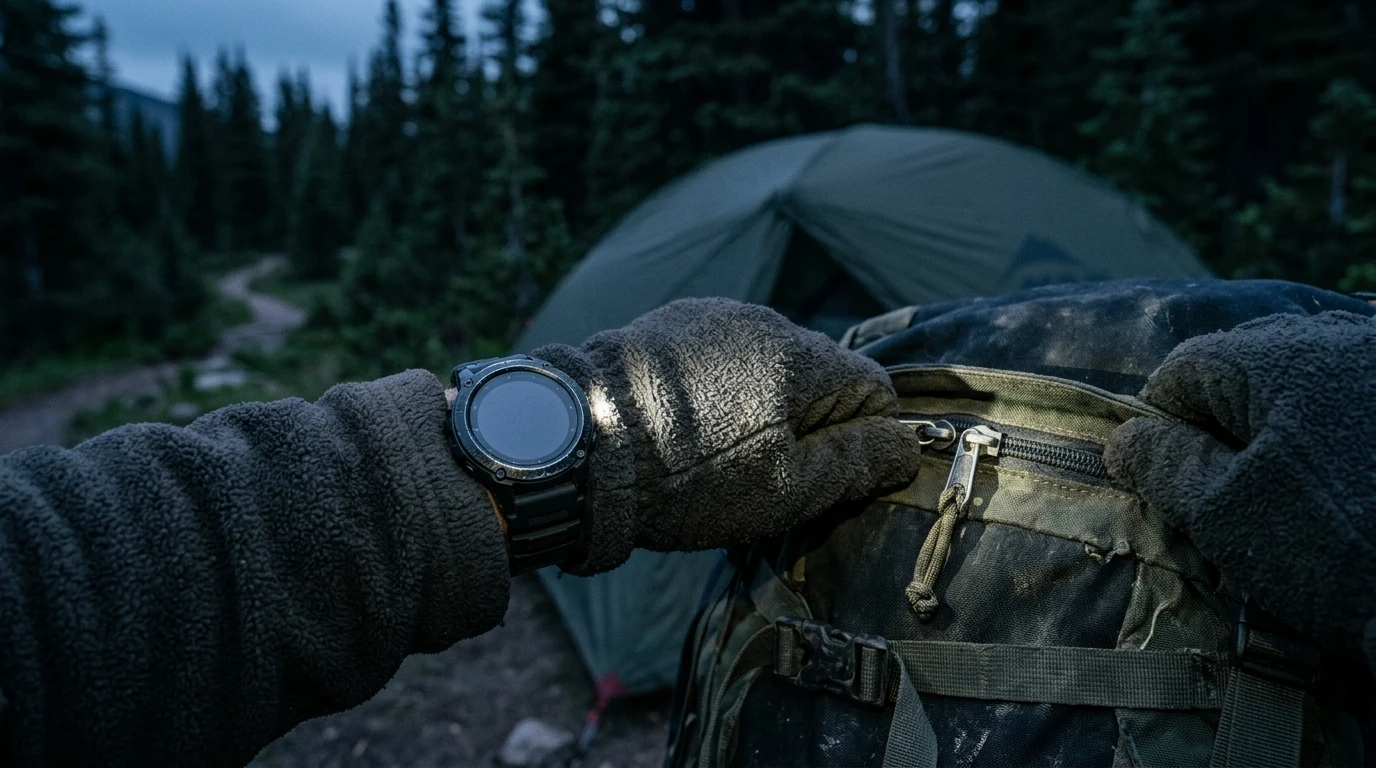
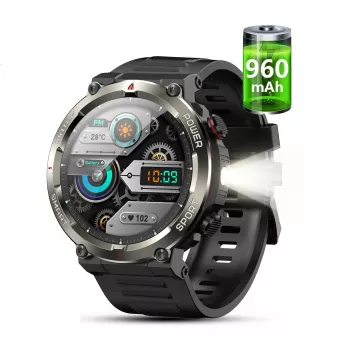
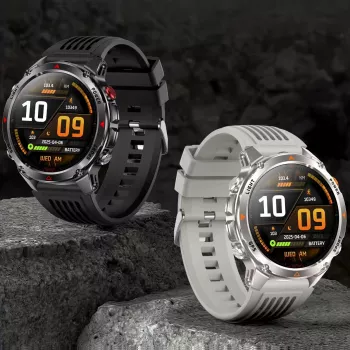
An outdoor-ready smartwatch earns its place when it solves real problems: checking time and notifications with gloves on, finding a zipper or keyhole in the dark, keeping up with long days away from a charger, and staying comfortable from commute to campsite. Our Outdoor Smartwatch with LED Flashlight & Ultra-Long Battery Life is built around those moments—practical lighting on the wrist, long-run power, and the core tracking and smart tools most people actually use. For more guidance, see Outdoor Smartwatch for Men with Flashlight and Ultra Long Battery ….
A flashlight sounds small until you’ve tried juggling a phone, a bag, and keys in the dark. With an LED light right on your wrist, you can handle quick, close-range tasks—unlocking doors, reading a trail sign or map legend, checking gear, walking the dog, or moving around a tent—without digging in pockets. For further reading, see Fitbit Versa Lite Edition Smart Watch,GPS, One Size (S and L Bands ….
It’s also more controlled than blasting a phone flashlight in a crowded hallway, parking lot, or campsite. You can aim light exactly where you need it instead of lighting up your whole surroundings. And when the unexpected happens—power outages, late-night commutes, dropped items under a car seat—having immediate light on your wrist can save time and frustration.
One underrated perk: when you’re layered up for weather (or carrying a pack), pockets get buried. A wrist light stays accessible even when everything else feels “packed away.”
Charging fatigue is real. If you’re tired of daily charging—or you travel, work long shifts, or spend weekends away from reliable outlets—an ultra-long battery approach matters because it keeps your watch on your wrist where it can actually help you.
Longer runtime supports better continuity for everyday tracking habits. Step counts, activity minutes, sleep routines, and heart-rate trends are far more useful when you’re not constantly taking the watch off to charge. Consistency is what turns “data” into patterns you can act on.
When you’re moving—on a hike, during a run, running errands, or doing hands-on work—a watch is easier to access than a phone. At-a-glance checks for time, basic health stats, and notifications help you stay informed without breaking stride or stopping to unlock a screen.
We like health tracking best when it’s treated as a habit-support system rather than a scorecard. Heart-rate tracking can help you notice patterns over time—rest days vs. training days, stressful days vs. calmer days—so you can pace differently when needed. For general guidance on heart-rate ranges, you can reference the American Heart Association’s target heart rates.
Sleep tracking is most useful as a trend tool. Instead of focusing on a single “bad night,” compare bedtime consistency and total sleep time across a few weeks. If you’re unsure what a typical sleep range looks like by age, the National Sleep Foundation’s sleep duration recommendations are a helpful baseline.
| Moment | Why it’s annoying without a watch | Watch feature that helps |
|---|---|---|
| Unlocking a door or finding keys at night | Phone flashlight often needs two hands and a pocket search | LED flashlight on the wrist |
| Walking or jogging after sunset | Checking time/notifications can break stride | Quick glance for time and alerts |
| Weekend trip with limited outlets | Daily charging becomes a routine disruption | Ultra-long battery life approach |
| Staying consistent with movement goals | Easy to forget daily progress | Step and activity tracking |
| Trying to improve sleep routine | Single-night guesses don’t reveal patterns | Sleep tracking trends over time |
Yes—especially for close-range tasks like keys, zippers, tent setup, stairwells, and finding something you dropped. It reduces phone handling when you only need a quick, directed beam, but it’s not meant to replace a full-size flashlight for long-distance lighting.
Keep only essential notifications, reduce how often the screen wakes, and use moderate brightness. Charging strategically before travel or long outings helps you avoid topping up constantly during the week.
It can cover quick checks, basic tracking, and convenient alerts, which reduces how often you need to reach for your phone. For navigation, longer messages, and many emergency communication needs, you’ll still want your phone depending on your setup and location.



Leave a comment