Portable Dual-Fuel Grill: Charcoal + Propane on a Cart
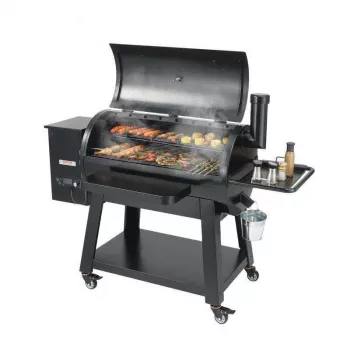
Portable Dual-Fuel Grilling That Fits Real Life Outdoors
A dual-fuel grill brings together the quick start and control of propane with the classic flavor of charcoal. Add a portable, heavy-duty body to a rolling cart, and outdoor cooking gets easier to move from patio to driveway to campsite without feeling like a compromise. A fitted cover finishes the setup by helping protect the frame and cooking surfaces between cooks, especially when the grill lives on a porch, deck, or in a shed.
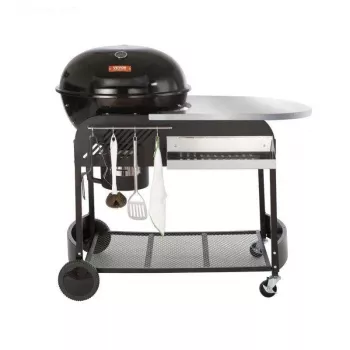
If you want one outdoor station that can handle a fast weeknight meal, a tailgate spread, and a slower weekend sear session, the Portable Charcoal and Propane BBQ Grill with Cover and Cart – Heavy Duty Outdoor Cooking is designed for exactly that kind of flexibility.
What Makes a Dual-Fuel Grill Worth Having
Having both fuels available is less about “more features” and more about matching the cook to the moment.
- Switch fuels based on time and flavor. Propane is ideal when you need a fast preheat and straightforward control, while charcoal shines when you want a deeper, smokier character.
- Use the right heat style for the food. Delicate items like fish or vegetables often benefit from steady propane heat, while thicker steaks and chops can take advantage of charcoal’s radiant intensity.
- Stay adaptable when conditions change. If charcoal is easier to grab for a campsite, use it. If wind or timing makes quick ignition more important, propane can be the practical choice.
- Plan for two-zone cooking. A hot side and a cooler side help manage flare-ups, finish thick cuts more gently, and hold food while batches come off the grill.
Design Highlights: Portability, Cart, and Cover
Portability can be the difference between grilling more often and leaving equipment parked in the corner.
- Rolling cart mobility. A cart makes it easier to reposition the grill for airflow, shade, or hosting. Prioritize a stable stance so it doesn’t feel top-heavy when rolling across a driveway or pavers.
- A fitted cover helps reduce exposure. Rain, dust, and strong sun wear on outdoor gear over time. Covering the grill after it’s fully cool and dry helps limit surface grime and weather exposure.
- Portable footprint for storage. Before buying, measure where it will live—garage bay, shed shelf, or side-yard nook—and check door clearance if it needs to roll through tight spaces.
- Heavy-duty build for confident handling. A sturdier frame feels better when you’re moving the grill, setting it into position, or transporting it for a weekend cookout.
For tailgates or campsite cooking, sturdy footwear can be an underrated upgrade—especially around uneven ground, gravel lots, or damp grass. Options like Dr. Martens Women’s Black Leather Boots or Diadora Men’s Green & White Leather Sneakers can be easy to clean after outdoor use and help you stay comfortable while you manage the fire and prep station.
Cooking Performance and Heat Control
Great grilling is mostly heat management. Dual-fuel setups give you two different “control styles,” and knowing when to use each makes outdoor cooking feel simpler.
Propane side: predictable heat for fast meals
Propane is the go-to for consistent results on burgers, vegetables, fish, and weeknight cooks where timing matters. Preheat properly, then adjust burners to hold a steady cooking zone rather than chasing a perfect “maximum” flame.
Charcoal side: radiant sear and classic flavor
Charcoal excels at high-heat searing and foods that benefit from stronger browning. It’s also a natural choice when you want a longer cook with more flavor development—just plan a little extra time for lighting and heat stabilization.
Build direct and indirect zones (either way)
- Charcoal: pile coals to one side for direct heat and leave the other side cooler for finishing and holding.
- Propane: run one area hotter (higher burner setting) and keep another lower for gentler cooking and staging.
For both fuels, preheat the grates, then oil lightly to reduce sticking. After cooking, brush while grates are still warm (not blazing hot) to make cleanup easier.
| Feature | Charcoal | Propane |
|---|---|---|
| Start-up time | Longer (chimney or lighter required) | Faster (turn-on and preheat) |
| Heat control | Adjust airflow and coal placement | Adjust burners for precise control |
| Flavor profile | More pronounced smokiness | Cleaner flavor; add smoke with wood chips when compatible |
| Best use cases | Searing, smoky cooks, thicker cuts | Quick meals, temperature stability, frequent grilling |
| Cleanup | Ash management required | Grease management; no ash |
Setup and Everyday Use Tips
For recommended safe food handling and cooking temperatures, use authoritative references like the USDA FSIS safe minimum internal temperature chart and the CDC food safety guidance.
Care, Cleaning, and Storage for Longer Life
Safety Basics for Outdoor Grilling
For additional guidance on safe grill placement and fire prevention, review NFPA grilling safety.
FAQ
Can charcoal and propane be used at the same time on a dual-fuel grill?
It depends on the grill’s design. Some dual-fuel models allow simultaneous cooking in separate chambers, while others recommend using one fuel at a time—check the owner’s manual and follow the required spacing and airflow guidelines.
How is a propane leak check done before grilling?
Turn the gas on, apply soapy water to the hose and connection points, and watch for bubbles. If bubbles appear, shut off the gas immediately and replace damaged parts or follow the manufacturer’s service instructions before using the grill.
How long should the grill cool before putting on the cover or rolling it into storage?
Wait until surfaces are cool to the touch—often 1–2 hours depending on weather and how hot the cook ran. Charcoal embers can retain heat longer, so confirm everything is fully cooled before covering or moving the grill.














Leave a comment