Ratchet Bike Tool Kit: Magnetic Driver Roadside Fixes
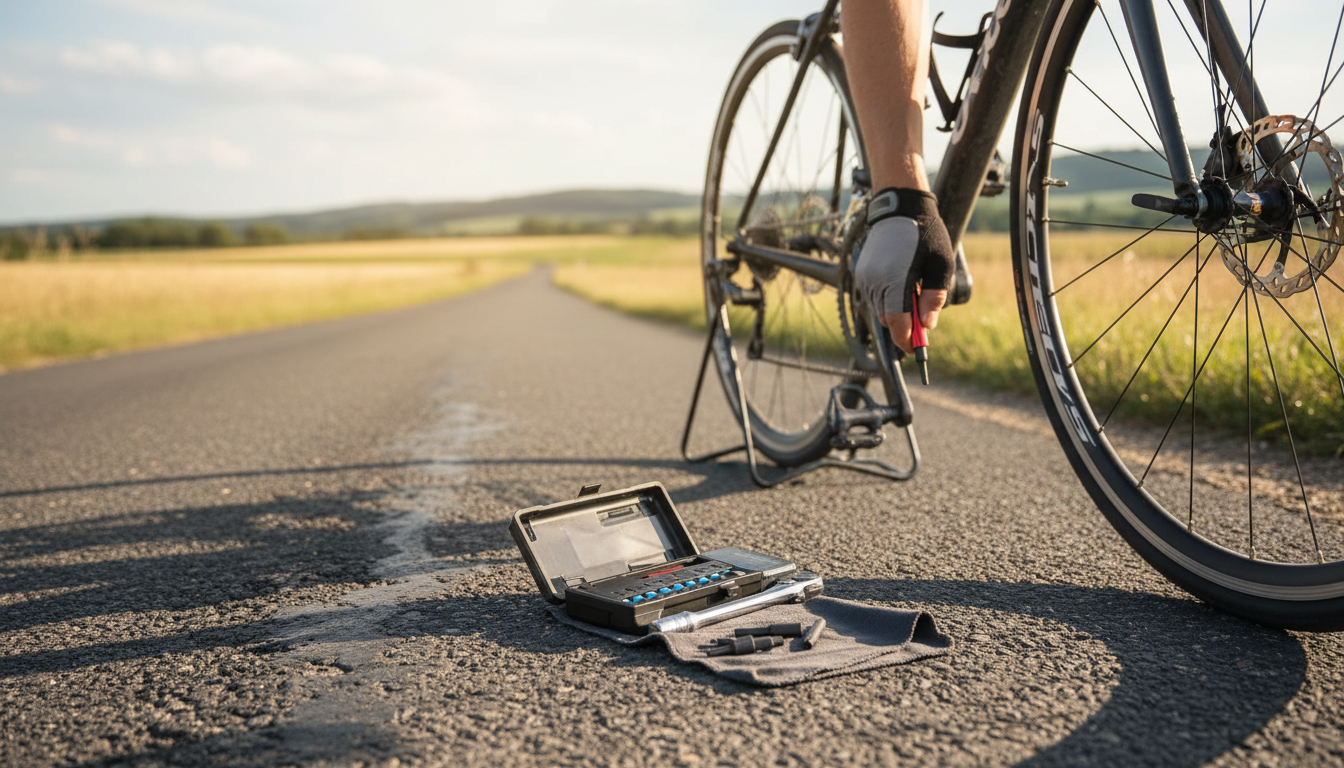
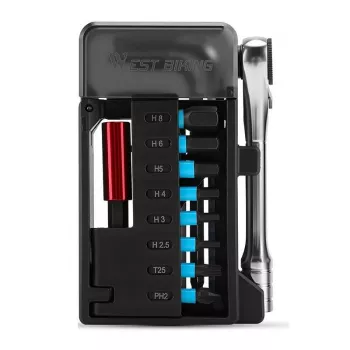
Portable Bike Repair Tool Kit with Ratchet Wrench & Magnetic Driver
A compact tool kit can turn a roadside problem into a quick fix instead of a long walk home. A ratchet wrench speeds up common adjustments, while a magnetic driver helps keep small bits and fasteners under control when working in low light or tight spaces. This guide covers what this style of kit is best at, the repairs it supports, and how to carry and use it effectively on real rides. For more guidance, see Review: The Silca Ypsilon “Y” wrench – BikePortland.
What makes a ratchet-and-magnetic-driver kit different
Traditional multi-tools work, but they can feel slow when you’re trying to tighten a bolt wedged between spokes or tucked under a bottle cage. A ratchet-and-driver setup is built for fast, repeatable turns without constant hand repositioning—especially helpful when your fingers are cold or you’re parked on an uneven shoulder. For further reading, see Diesel Mechanic Tools – Your #1 Toolkit Guide.
- Ratchet wrench advantage: faster turning in confined spaces (between spokes, near brake calipers, under bottle cages) with less hand repositioning.
- Magnetic driver benefit: reduces dropped bits and helps align fasteners when starting threads, especially for accessory mounts and tight clearances.
- Portable format: designed for saddle bag, frame bag, jersey pocket, or commuter backpack without sacrificing the most-used bits.
- Best fit use-cases: commuting, gravel rides, touring day trips, and event support where quick adjustments matter.
If you want a compact option that prioritizes quick adjustments, see the Portable Bike Repair Tool Kit with Ratchet Wrench & Magnetic Driver.
Common on-the-go repairs this kit can handle
A portable kit shines when something loosens, shifts, or starts rattling mid-ride. It’s not meant to replace shop tools for deep service, but it can solve many “keep rolling” situations.
- Handlebar and cockpit tweaks: tighten stem faceplate bolts, align bars, and snug headset-related pinch bolts (verify correct bolt locations and torque).
- Saddle adjustments: re-level the saddle, move it forward/back, or tighten seatpost clamp bolts after slipping in wet conditions.
- Accessory fixes: bottle cages, lights, computers, and fender stays that loosen over rough pavement can often be re-secured quickly.
- Brake and drivetrain touch-ups: minor brake lever clamp adjustments, cable anchor bolts (if compatible), and derailleur limit/position tweaks when needed.
- Emergency triage: stabilize loose parts enough to ride home safely, then perform a full inspection with a torque wrench later.
| Repair scenario | What to do | What to avoid |
|---|---|---|
| Loose handlebar/stem bolts | Tighten evenly in small increments; confirm bar is centered | Over-tightening or tightening one bolt fully before others |
| Seatpost slipping | Clean and dry clamp area; tighten to spec if known | Cranking down hard on carbon components without paste/spec |
| Rattling bottle cage | Re-seat bolts; use thread engagement carefully | Cross-threading bolts when starting by feel |
| Loose brake lever clamp | Reposition lever and snug clamp bolt | Misaligning lever angle so braking is awkward or unsafe |
| Computer/light mount moving | Tighten mount hardware; confirm it’s secure by hand test | Riding off before re-checking after a few minutes |
How to use the ratchet wrench safely and efficiently
Speed is great, but the goal on the roadside is controlled tightening—especially when you don’t have exact torque specs handy. A ratchet makes it easier to keep pressure consistent, but it can also make it easier to overtighten if you rush.
- Start threads by hand first: use fingers to ensure the bolt is aligned, then switch to the driver/ratchet to tighten.
- Use short strokes in tight spaces: the ratchet’s mechanism allows progress even when the handle can’t rotate far.
- Tighten evenly across multi-bolt clamps: alternate bolts in a crisscross pattern to reduce uneven clamping and part stress.
- Stop at “snug” when torque is unknown: portable kits are for mobility; final torque checks are best done at home with a calibrated torque wrench.
- Keep the bit seated: press the bit fully into the fastener to reduce stripping, especially on softer hex bolts.
For bolt-tightening guidance and typical ranges by component, Park Tool’s reference is a solid baseline: Park Tool — Bicycle Torque Specifications.
Why the magnetic driver matters on real rides
Magnetic retention sounds like a small upgrade until you’re working in grass, gravel, or fading light. Tiny screws, washers, and bits don’t just slow you down when dropped—they can end a ride if a critical fastener disappears.
Magnet or not, clean thread starts matter. If a bolt feels “wrong” in the first turn or two, back out and realign to avoid cross-threading. A practical explainer on threads and fasteners is here: Sheldon Brown — Screw Threads and Fasteners.
Packing and maintenance for long-term reliability
When to use a portable kit vs. a full shop setup
In-stock picks
- Portable Bike Repair Tool Kit with Ratchet Wrench & Magnetic Driver
- 23-Piece Professional Makeup Brush Set
- Elevated Ceramic Pet Bowl with Solid Wood Stand
FAQ
Is a ratchet wrench safe for bike bolts?
Yes when used carefully: start threads by hand, keep the bit fully seated, tighten evenly on multi-bolt clamps, and avoid over-tightening—final torque checks are best done later with a torque wrench.
Does a magnetic driver work with all bike fasteners?
It holds the bit/driver more securely, but compatibility still depends on having the correct bit type and size (hex, Torx, Phillips). Some fasteners and tight spaces may still require careful alignment by hand.
What should be carried with a portable tool kit for roadside fixes?
Common pairings include tire levers, spare tube or patch kit, inflation (mini pump or CO₂), and a small rag or gloves; together they cover most ride-stopping issues.













Leave a comment