Round Decorative Wall Mirror: Placement, Size & Care
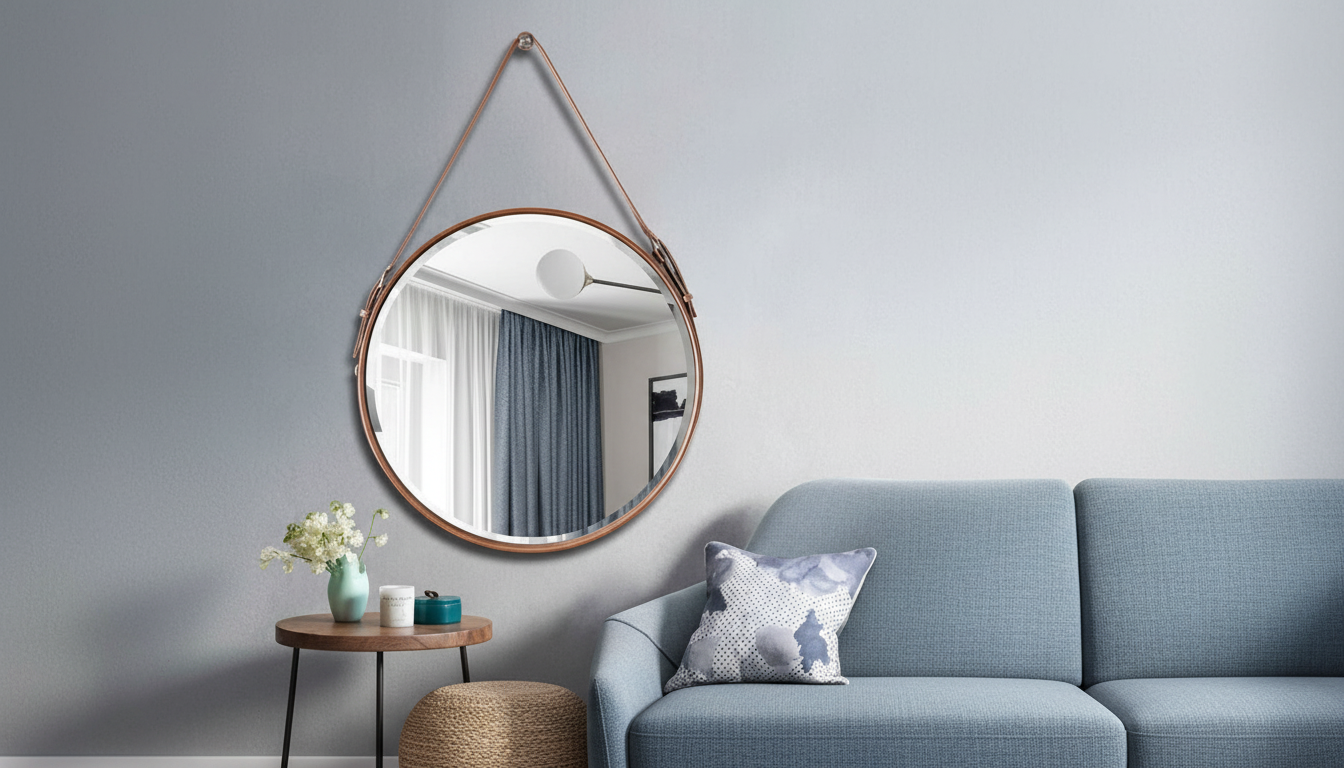
Round Decorative Wall Mirror for Living Room, Hallway, and Bathroom
A round wall mirror can soften hard lines, bounce natural light, and make tight spaces feel more open. This decorative option is designed to work across high-traffic areas—above a console in the living room, near the entry or hallway, and in moisture-prone bathrooms—while adding a clean, balanced focal point.
What a Round Mirror Adds to a Room
Round mirrors have an easy, “finished” look because the shape naturally draws the eye toward the center of the wall. Whether the surrounding decor is minimal or layered, the curve adds a sense of intention without needing extra styling.
- Creates a centered focal point that pairs well with both minimal and layered decor
- Reflects light to brighten darker corners and visually expand narrow areas
- Balances rectilinear furniture (sofas, cabinets, vanities) with a softer silhouette
- Works as decor even when not positioned for daily grooming
For broader styling inspiration, the mirror placement principles outlined by The Spruce are especially helpful when deciding what you want the mirror to reflect (a window, art, or a light source) versus what you want to keep out of view (storage zones and visual clutter).
Design Details That Matter
Small construction and finish choices change how a mirror reads in a space. Before buying, consider how “present” you want the frame to feel and how the finish will interact with nearby metalwork and lighting.
- Frame presence: thin frames feel airy and modern; thicker frames read more decorative and statement-making
- Finish coordination: align with nearby metal finishes (hardware, lighting, faucets) for a cohesive look, or intentionally contrast for visual interest
- Edge and backing quality: look for clean edges and sturdy backing suitable for wall mounting
- Room conditions: bathrooms and humid hallways benefit from materials and mounting hardware that hold up to moisture and frequent use
If the mirror will live near a sink or shower, it’s worth thinking through everyday habits: ventilation, towel placement, and how often the glass will be wiped down. Those routines affect longevity as much as the materials do.
Where It Works Best: Living Room Placement Ideas
In living rooms, a round mirror helps “edit” the space by creating a single calm focal point—especially helpful when you already have a TV, shelves, or multiple seating pieces competing for attention.
- Above a console or sideboard: center the mirror over the furniture; keep visual spacing consistent with nearby art or sconces
- Over a mantel: a round shape softens the mantel line and visually lifts the wall
- Behind a seating area: reflect a window or artwork (avoid reflecting cluttered storage zones)
- Layered styling: pair with a table lamp and a low arrangement to create a balanced vignette without competing focal points
Tip: When choosing what the mirror faces, aim for something you’d want doubled. A bright window, a statement plant, or a piece of art will make the reflection feel purposeful, not accidental.
Entryway and Hallway Placement Ideas
Entryways and hallways benefit from mirrors more than almost any other area because they’re often narrow, short on natural light, and used in motion. A round mirror keeps the look friendly and uncluttered while still being functional.
- Near the door: place at glance height for quick checks before heading out
- At the end of a hallway: helps brighten and reduce the “tunnel” feel by reflecting light back into the corridor
- Above a narrow shelf or shoe cabinet: keep the arrangement slim to preserve walkway clearance
- If the hallway is windowless: position opposite a light source (ceiling fixture or nearby room opening) to borrow brightness
In tight corridors, clearance matters: consider door swing, closet doors, and whether nearby hooks or a coat rack will visually crowd the mirror’s edges.
Bathroom Use: Practical Tips for Comfort and Longevity
A decorative round mirror can absolutely work in a bathroom—especially in powder rooms and guest baths—so long as it’s installed securely and the space is managed for moisture. Comfort also comes down to placement and lighting, not just looks.
For guidance around bathroom planning and lighting considerations, consult the NKBA resources and general planning guidelines.
Sizing and Hanging Height Guide
Quick Placement Guide for a Round Mirror
| Location | What to align with | Common pitfalls to avoid |
|---|---|---|
| Living room (over console) | Center over furniture; align with nearby art/sconces | Hanging too high; crowding the vignette with bulky decor |
| Hallway/entry | Center at glance height; consider sightlines from door | Blocking switches/thermostats; placing where doors will strike |
| Bathroom (over vanity) | Center to sink/vanity; coordinate with lighting | Mounting into tile without proper anchors; insufficient ventilation |
Installation, Hardware, and Wall Safety
For a step-by-step overview of safe mounting methods, see Home Depot’s guide to hanging a mirror.
Care and Cleaning Without Streaks
A Decorative Option to Tie Multiple Rooms Together
Shop In-Stock Picks
- Round Decorative Wall Mirror for Living Room, Hallway, and Bathroom
- Dr. Martens Women’s Black Leather Boots
- Diadora Men’s Green & White Leather Sneakers
FAQ
Can a decorative wall mirror be used in a bathroom?
Yes, as long as it’s mounted securely and the space is well ventilated. Reduce prolonged humidity by running the fan during showers and wiping condensation when needed, and use mounting hardware appropriate for tile or drywall.
How high should a round mirror be hung in a hallway or entry?
A common approach is to place the mirror’s center near average eye level for the primary users, then adjust based on nearby furniture height, door swing, and sightlines from the entry.
What’s the best way to clean a mirror without streaks?
Dust first, then apply cleaner to a microfiber cloth rather than spraying the glass directly. Wipe in consistent passes and finish with a dry microfiber cloth to buff away moisture and prevent streaking.








Leave a comment