Touch-Free Smart Toilet: Auto Open/Flush, Heated Seat, Bidet
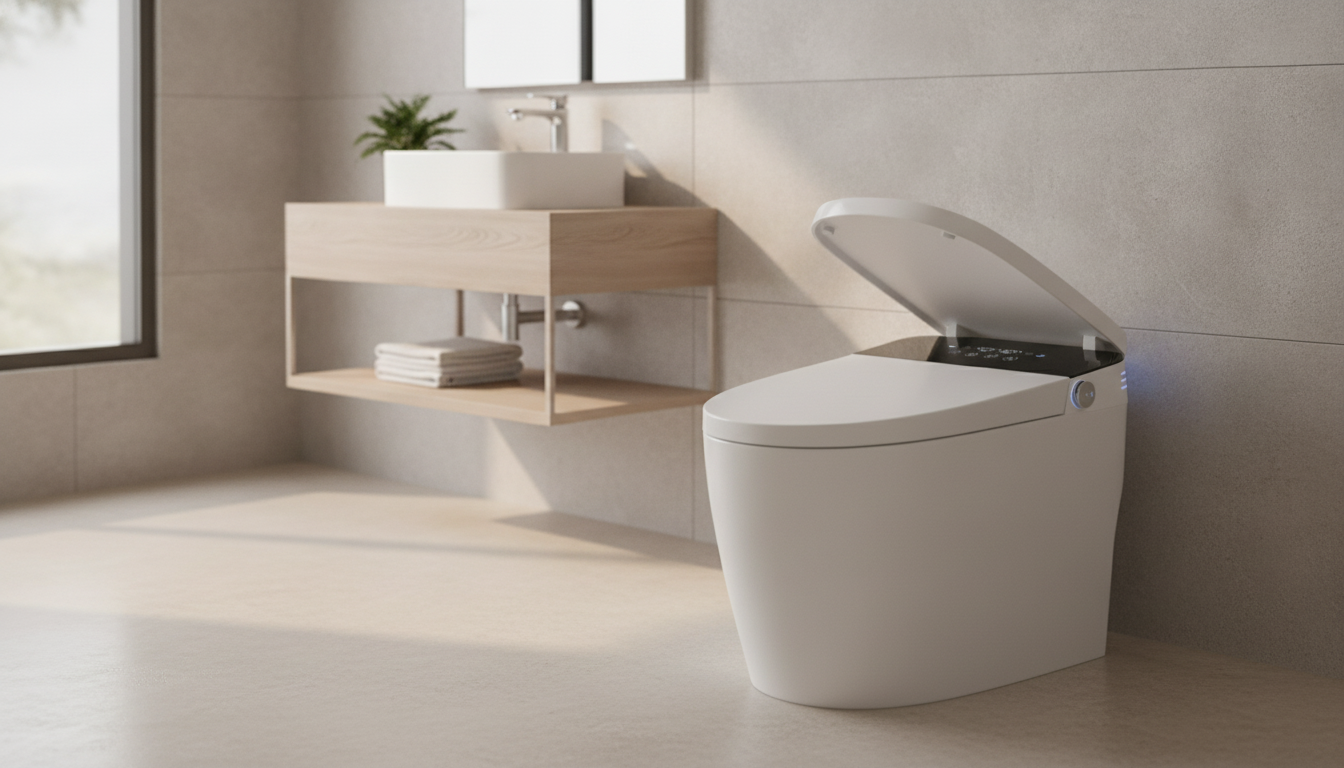
Smart Toilet with Auto Open and Flush, Heated Seat, Bidet, and Intelligent Features
A modern bathroom upgrade can do more than look sleek—it can reduce daily friction. A smart toilet with auto open/close, automatic flushing, a heated seat, and integrated bidet washing is designed to cut down on touchpoints, add comfort when temperatures drop, and make hygiene routines feel easier and more consistent. Instead of juggling levers, lids, and separate bidet attachments, many of these functions are built in and controlled through intuitive settings.
What Makes a Smart Toilet Different
Traditional toilets are simple and reliable, but they’re also one of the most frequently touched fixtures in any home. Smart toilets aim to modernize that experience by combining touch-free operation with comfort and wash features.
- Touch-free lid opening and closing helps limit contact with high-touch surfaces.
- Automatic flushing streamlines routine use and supports a cleaner bathroom experience.
- Integrated bidet functions provide water-based cleaning options that can reduce reliance on toilet paper.
- Heated seating improves comfort in colder seasons and for nighttime use.
- Intelligent features typically include adjustable settings, safety protections, and user-friendly controls.
Core Comfort and Hygiene Features to Look For
Not all smart toilets are built the same. The best choice usually comes down to how the toilet behaves day-to-day: how reliably sensors work, how easy settings are to adjust, and how comfortable the wash and seat feel for different users.
- Auto open/close: motion sensing that opens when approaching and closes after use; helps keep the lid from being left up.
- Auto flush: hands-free flushing after use; may include timing logic or sensor-based activation.
- Heated seat: adjustable temperature levels for personalized comfort.
- Bidet washing: rear wash and/or feminine wash options; adjustable water pressure and nozzle position are common comfort factors.
- Warm water and warm air drying (if included): improves comfort and can shorten cleanup time.
- Deodorization and filtration (if included): can help manage odors between cleanings.
- Night light (if included): improves visibility without turning on bright overhead lights.
Feature Guide and Why It Matters
| Feature | Everyday benefit | What to check before buying |
|---|---|---|
| Auto open/close lid | Less touching; cleaner feel | Sensor responsiveness; manual override |
| Auto flush | Hands-free convenience; fewer forgotten flushes | Flush reliability; power-outage behavior |
| Heated seat | Comfort in cold bathrooms | Temperature range; energy-saving mode |
| Bidet wash | Improved cleanliness; less paper use | Adjustable pressure; nozzle self-cleaning |
| Remote/side control | Easy setting changes | Waterproofing; simple interface |
| Safety protections | Peace of mind | Overheat protection; leak protection guidance |
Daily Use: What to Expect
Most owners notice the biggest difference in the small moments—late-night bathroom trips, busy mornings, and the general “cleaner” feeling of fewer shared touchpoints.
Installation and Bathroom Compatibility
- Power requirements: most smart toilets need a nearby GFCI outlet; plan for safe placement and cord routing. ESFI provides a helpful overview of why GFCIs are important in wet areas: Electrical Safety Foundation International (ESFI).
- Plumbing fit: confirm rough-in size and water supply location; ensure shutoff valve access for servicing.
- Floor and space: verify clearance for the toilet body, lid swing/auto movement, and comfortable legroom.
- Water quality: hard water can increase mineral buildup; consider routine descaling and nozzle cleaning as recommended.
- Professional support: for first-time smart toilet installs, a licensed plumber and an electrician (if adding an outlet) can reduce risk and rework.
Energy, Water Use, and Practical Savings
- Heated seats and warm water systems draw electricity; eco modes, seat-occupancy sensing, and scheduled heating can reduce consumption.
- Efficient flushing can lower water use over time compared with older, higher-gallon models, depending on the flush system and household habits. For broader water-saving guidance, see EPA WaterSense — Saving Water Indoors.
- Bidet washing can reduce toilet paper usage, which may add up over months for multi-person households.
- Regular maintenance (filter checks, descaling schedules, and nozzle cleaning) keeps performance consistent and prevents premature wear.
For shared bathrooms, fewer touchpoints can also support cleaner habits. General hygiene guidance is available from the CDC — Hand Hygiene.
Care and Maintenance Tips
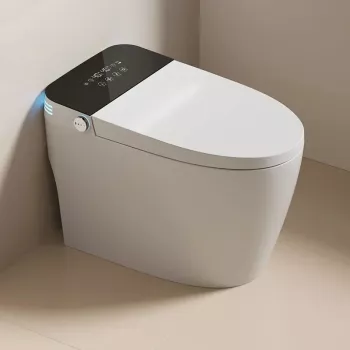
Product Spotlight: Smart Toilet with Auto Open and Flush, Heated Seat, Bidet, and Intelligent Features
If the goal is a more hands-free, comfort-forward bathroom, Smart Toilet with Auto Open and Flush, Heated Seat, Bidet, and Intelligent Features is built around the features people notice most in everyday use.
More In-Stock Picks
- Elevated Ceramic Pet Bowl with Solid Wood Stand
- 23-Piece Professional Makeup Brush Set
- Luxury Large Dog Stroller
FAQ
Does a smart toilet still work if the power goes out?
Basic toilet function may still be possible, but many features—heated seat, bidet washing, and auto open/auto flush—typically depend on electricity. Power-outage behavior varies by model, so it’s important to confirm whether manual flushing or an emergency flush method is supported.
Is a bidet function sanitary and safe to share in a household?
Yes, when used and maintained properly. Look for features like nozzle self-cleaning, and follow the manufacturer’s cleaning schedule; users can also keep settings comfortable by starting with gentle water pressure and adjusting as needed.
What do you need to install a smart toilet with bidet and auto features?
Most installs require a nearby GFCI outlet, compatible rough-in and water supply placement, and enough clearance for the toilet body and lid movement. If electrical work is needed or plumbing must be adjusted, professional installation can reduce risk and prevent rework.













Leave a comment