Latex-Free Makeup Sponge: Better for Your Skin?

Is latex-free makeup sponge better?
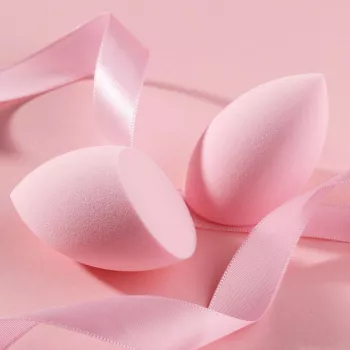
A latex-free makeup sponge can be better, but “better” depends on what matters most: skin sensitivity, finish, durability, and how the sponge behaves with different formulas. Latex-free options are often chosen by shoppers who want to avoid latex-related irritation or allergies, and many are designed to feel softer and bounce back well after squeezing.
When latex-free is the better choice
Sensitive or allergy-prone skin
If latex triggers redness, itching, or discomfort, a latex-free sponge is the safer pick. Even when a sponge doesn’t contain high levels of latex, avoiding it entirely can reduce the chance of reactions—especially around the eyes and nose where skin is thinner.
A smoother, more even blend
Many latex-free sponges (often polyurethane-based) are engineered to be more uniform in texture. That can translate to fewer streaks and a more consistent diffusion of foundation or concealer, particularly when the sponge is damp and used with tapping motions.
More comfortable bounce and flexibility
Latex-free sponges frequently feel plush and springy, which helps press product into the skin without dragging. This is especially helpful for liquid and cream products where you want coverage to look skin-like rather than sitting on top.
When latex-free may not feel “better”
Preference for firmer sponges
Some people prefer a denser, firmer sponge for building coverage or for controlled placement. Depending on the material and brand, a latex-free sponge may feel too soft or absorb more product than expected.
Longevity depends on care, not just materials
Latex-free doesn’t automatically mean longer-lasting. How often it’s washed, how thoroughly it’s dried, and whether it’s stored in a breathable spot will heavily influence odor, staining, and breakdown over time.
For a deeper breakdown of pros, cons, and what to look for when shopping, visit the main guide here: https://unitare.com/is-latex-free-makeup-sponge-better/.
FAQ
How do you clean a makeup sponge properly?
Wet the sponge, work in a gentle cleanser, and squeeze repeatedly until the water runs clear. Press out excess water with a clean towel and let it air-dry completely in a well-ventilated area.













Leave a comment