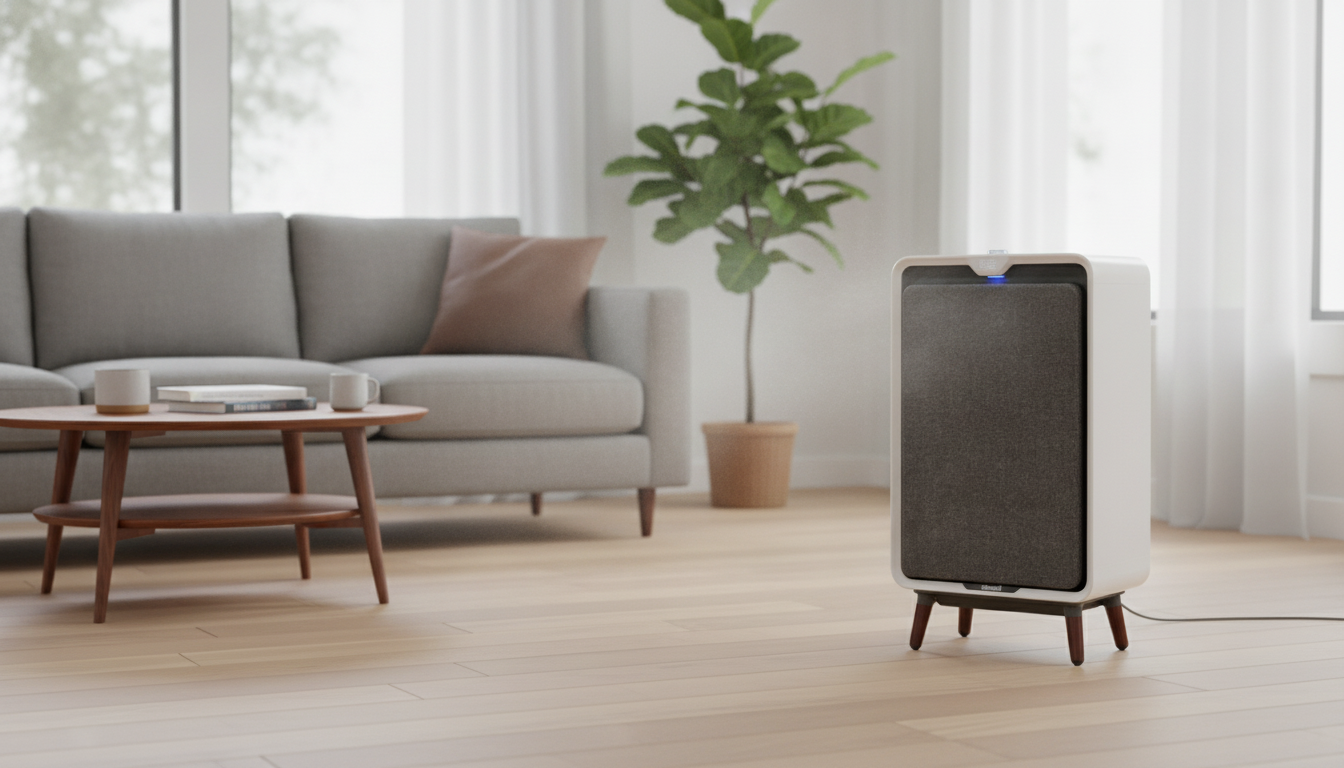
Yes. An air purifier can add noise, use electricity, and require replacement filters. Some models also produce ozone, which can irritate your lungs. For many homes, these tradeoffs are manageable when you choose a properly sized purifier and maintain it as directed.
A purifier is most useful as one part of your indoor air routine. It does not replace ventilation, cleaning, or addressing the source of smoke, moisture, or odors.
HEPA and activated carbon filters eventually need replacement. How often depends on the model, your usage, and the amount of pollution in your home. Consider both the purchase price and the ongoing cost of compatible filters before you buy. Follow the manufacturer’s replacement schedule, and never wash a filter unless its instructions say it is washable.
A higher fan speed generally moves more air, but it can also be louder and use more electricity. A low setting may be easier to live with, though it usually cleans the room more slowly. If you plan to run a purifier often, look for a model with a sound level and power consumption that suit your space.
Ozone is a lung irritant. We recommend avoiding ozone generators marketed for use in occupied rooms. Some ionizing and other electronic air cleaners can also emit ozone, so look for independently verified low- or zero-ozone emissions if you are considering one of those models. A mechanical HEPA filter does not need to generate ozone to capture particles.
HEPA filters capture airborne particles such as dust, pollen, and some smoke particles. Activated carbon can help reduce certain gases and odors, but its effectiveness depends on the amount of carbon and the pollutants involved. A purifier will not fix a moisture problem or remove particles that have settled on surfaces.
Choose a purifier with a clean air delivery rate appropriate for your room, leave space around its air intake and outlet, and budget for replacement filters. Reduce pollution at its source and ventilate when outdoor conditions allow. Our team also recommends comparing noise, filtration, and room coverage in our guide to quiet smart HEPA and carbon air purifiers for large rooms.
An air purifier with activated carbon can reduce some cooking odors, though results depend on the carbon filter and the odor. Using an exhaust hood and ventilating when conditions allow can help remove odors at their source.




Leave a comment