Modern Equivalent of Wrought: Steel vs Wrought Iron
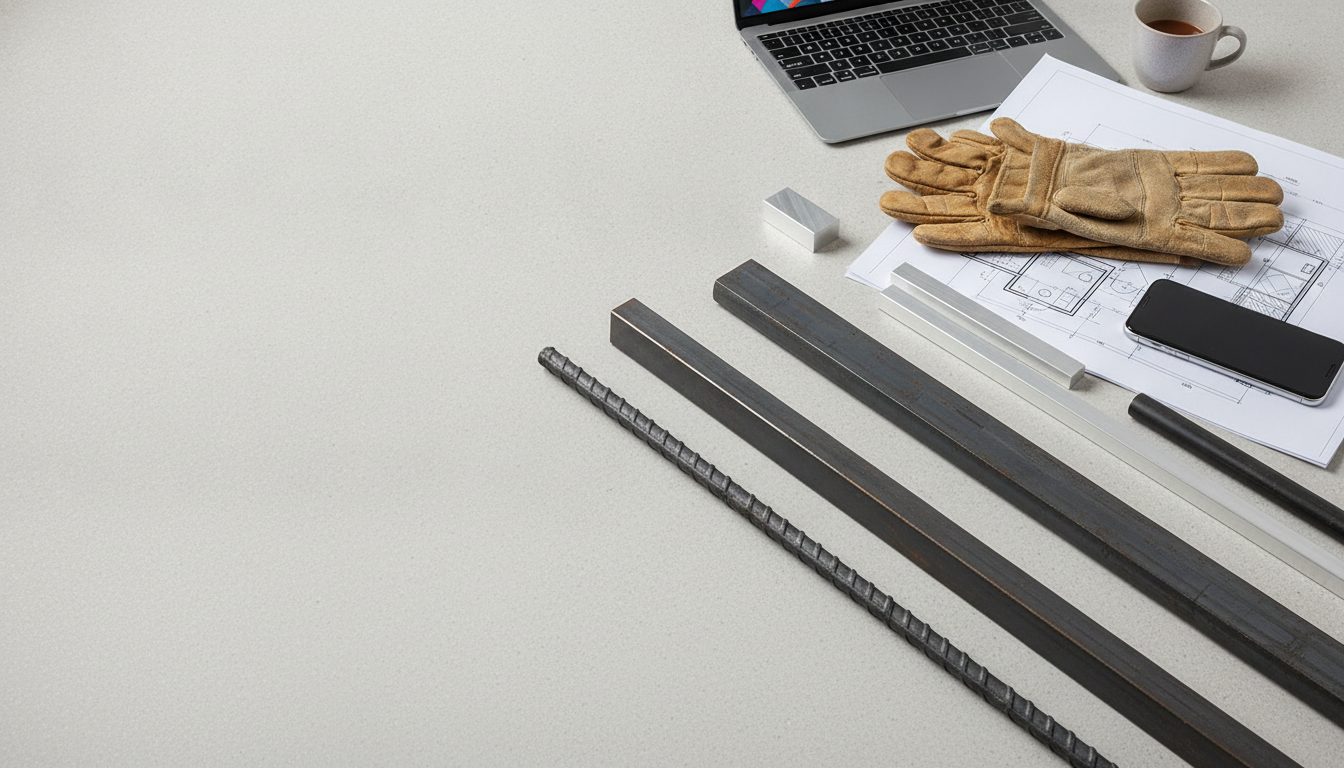
What is the modern equivalent of wrought?
In today’s product descriptions, “wrought” most often maps to wrought iron (traditional, iron-based metalwork) or to wrought-style steel (modern steel shaped to resemble classic wrought iron). Historically, wrought iron was valued because it could be heated and worked—bent, twisted, and hammered into decorative forms—while staying tough and relatively resistant to cracking.
What “wrought” means in modern materials
True wrought iron is far less common in mass-produced goods than it once was. Modern manufacturing typically substitutes mild steel or other steels because they’re more readily available, consistent, and cost-effective while still allowing similar scrolls, curls, and latticework. When you see terms like “wrought,” “wrought-style,” or “wrought look,” it often signals a decorative metal piece with forged or forged-like details, not necessarily old-school iron.
Common modern equivalents you’ll see on tags
Steel (powder-coated) is the most frequent modern equivalent, especially for hallway and porch accessories. Powder coating helps resist chips and corrosion while keeping the matte, classic finish people associate with wrought iron. You may also see cast iron in smaller decorative accents, but cast iron is made differently and tends to be heavier and more brittle than traditional wrought iron.
How to choose if you like the wrought look
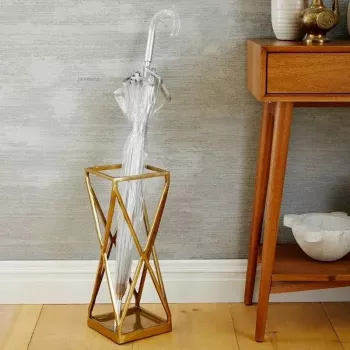
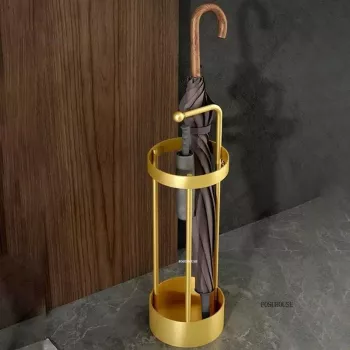
If the goal is the timeless “wrought” aesthetic—curves, scrollwork, and a sturdy, old-world feel—look for steel construction with a durable finish and solid welds. For a practical example of how this style shows up in real home décor, see this guide to a modern wrought iron umbrella stand for an entryway, hallway, or porch: https://unitare.com/guide-modern-wrought-iron-umbrella-stand-hallway-porch/.
For Modern Equivalent of Wrought: Steel vs Wrought Iron, the best answer depends on fit, material, care instructions, and how the product will be used day to day.
FAQ
Is wrought iron the same as steel?
No. Wrought iron is an older iron alloy with a distinct structure, while steel is an iron-and-carbon alloy that’s widely used today; many “wrought” products are actually steel made to mimic wrought iron styling.













Leave a comment