Women’s Black Dr. Martens Boots: Fit, Style & Care

Dr. Martens Women’s Boots: Black Classics, Styling Ideas, Fit Notes, and Care
Women’s Dr. Martens boots are known for their durable build, bold silhouette, and outfits-anywhere attitude. A black pair, in particular, earns its keep: it anchors everyday denim, sharpens tailored outfits, and looks right at home with winter layers. Below are the most useful details to know before buying—how different features change the feel, how to dial in a comfortable fit, and simple care habits that help boots keep their shape and finish over time. For more guidance, see In Their Footsteps: Stomping in the Boots of My Feminist Foremothers.
Why Dr. Martens boots stay in rotation
- Distinctive profile: The iconic shape works with casual outfits, workwear-inspired looks, and even dressier pieces like blazers or midi skirts.
- Built for repeat wear: Sturdy uppers and a durable sole construction are designed to handle regular use without losing their edge.
- Black goes with everything: Denim, trousers, skirts, and coats all pair easily with black boots—especially when you want a grounded, pulled-together finish.
- Break-in is normal: Many pairs feel firm at first; comfort often improves as the upper softens and gradually molds to your foot.
Choosing a black pair: key details that change the feel
- Upper material: Smoother leathers tend to look sleek and polished; textured or coated finishes can be easier to wipe clean after wet sidewalks or dusty days.
- Lining and collar feel: Padding at the collar can reduce rubbing at the ankle. Unpadded styles may feel sharper initially but often relax with wear.
- Sole profile: Chunkier soles add height and visual weight, while slimmer soles look more streamlined and can feel lighter over long days.
- Fastening: Lace-up styles offer the most adjustability, zip pairs are quicker to get on and off, and Chelsea elastic panels deliver a clean, minimal look.
Fit and comfort notes to know before ordering
- Measure at the right time: Feet often swell slightly by evening, so measuring later in the day can help avoid an overly snug choice.
- Account for socks: If you plan to wear thicker socks (especially in winter), factor that into sizing and overall volume.
- Heel slip early on can be normal: A little lift sometimes happens before the leather flexes; persistent slipping can mean the boot is too large.
- Expect hot spots: The heel and tongue are common friction points during early wears—protect them with thicker socks or blister pads.
- Don’t force a too-tight fit: Break-in helps stiffness, not a cramped toe box. Toes shouldn’t feel pinched even on day one.
Quick fit check and simple fixes
| What you notice | Likely cause | Try this |
|---|---|---|
| Heel lifts when walking | Slightly roomy fit or thin socks | Add thicker socks or an insole; re-lace more snugly at the ankle |
| Pinching at the toes | Too small or narrow for foot shape | Size up; avoid prolonged wear until corrected |
| Rubbing at the heel | Stiff new upper and heel counter | Blister pads; thicker socks; short break-in sessions |
| Pressure on the top of the foot | Tongue/eyelet area too tight | Skip an eyelet briefly; adjust lacing pattern for relief |
| Ankle feels stiff | High shaft needs softening | Wear at home first; flex gently by hand; condition leather per care guidance |
Outfit ideas: making black boots feel fresh
Care and maintenance for long-lasting wear
- Wipe after wear: A quick wipe removes dust and road salt before it settles into the finish. This is especially helpful in winter conditions.
- Air-dry only: Let boots dry at room temperature. Avoid direct heat (radiators, hair dryers) that can dry out leather or warp materials.
- Condition or polish thoughtfully: Use a conditioner or polish suited to the specific finish, and spot-test first in a less visible area. For official care guidance, visit Dr. Martens — Boot Care & Shoe Care.
- Store to protect shape: Stand boots upright or use boot shapers to prevent creasing and keep the shafts from slouching.
- Rotate your footwear: Giving boots a day off helps moisture evaporate fully between wears, supporting comfort and longevity.
For broader information on leather standards and responsible sourcing, the Leather Working Group is a useful reference point.
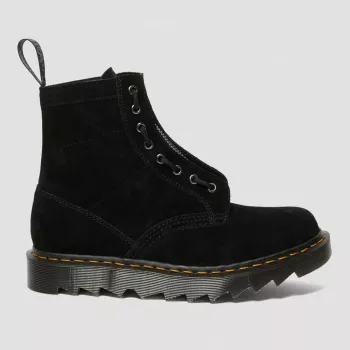
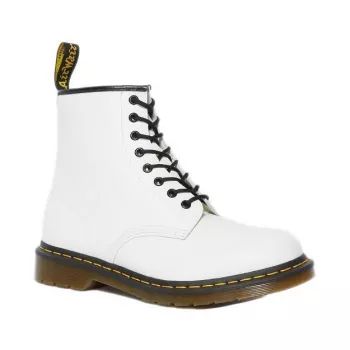
Featured pick: Dr. Martens Women’s Black Boots
Helpful add-on for at-home upkeep
For detailed cleaning around stitching, eyelets, and the edge of the sole, a small, soft brush can be handy to keep on a shelf near your entryway. If you want a compact set of brushes for gentle dusting and detail work, consider the 23-Piece Professional Makeup Brush Set for light, careful use on non-delicate surfaces (always spot-test and avoid aggressive scrubbing).
What to look at on the product page before checkout
FAQ
Do Dr. Martens women’s boots run true to size?
Fit can vary by style and foot shape, so it’s best to check the brand’s sizing guidance and measure your feet at the end of the day. Socks and insoles can fine-tune the fit, but the boots shouldn’t feel painfully tight even before break-in.
How long does it take to break in Dr. Martens boots?
Many people notice improvement within a few wears, but a full break-in can take a couple of weeks depending on how often you wear them and the upper material. Start with short sessions, use thicker socks and blister protection, and increase wear time gradually.
How should black leather boots be cleaned and protected?
Wipe them down after wear, let them dry at room temperature away from direct heat, and condition or polish periodically with a product suited to the finish. In winter, removing road salt promptly helps prevent dulling and surface staining.













Leave a comment