Repair vs. Replace: When a New Bike Really Costs Less
Is it cheaper to repair a bike or buy a new one?
Most of the time, it’s cheaper to repair a bike than to buy a new one—especially when the problem is limited to wear items like tires, tubes, brake pads, cables, chains, or a basic tune-up. A new bike can run from a few hundred dollars to several thousand, while many common fixes cost far less and can extend the life of a bike that still fits well and rides comfortably.
When repairing is usually the better deal
Repairs tend to win on cost when the frame is intact and the drivetrain and wheels aren’t severely damaged. Replacing a chain, adjusting shifting, swapping brake pads, truing a wheel, or fixing a flat is typically a low-to-moderate expense compared with replacing the whole bike. It’s also a better value when the bike already has quality components—keeping a solid frame and upgrading parts can outperform a bargain new bike.
When buying new can cost less in the long run
Buying a new bike may be the smarter financial choice when repairs stack up across multiple major systems at once. Examples include a cracked or badly corroded frame, a severely worn drivetrain (cassette, chainrings, chain, derailleur pulleys), damaged wheels, and failing brakes—especially if labor costs are high. If the estimate approaches 50–70% of the cost of a comparable new bike, replacement often makes more sense.
A quick way to decide
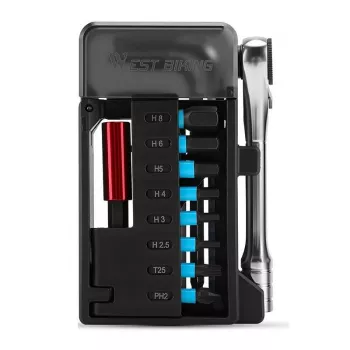
Start with a realistic repair estimate (parts + labor) and compare it to the price of a similar new bike. Consider safety first: if a shop flags frame or fork damage, replacement is usually the right call. For riders who handle small fixes themselves, the “repair” side gets even cheaper; a compact toolkit can help you solve common issues on the road and at home. For practical roadside fixes and what to carry, see this guide to a ratchet bike tool kit with a magnetic driver.
FAQ
What bike repairs can I do myself to save money?
Flats, tire swaps, brake pad changes, basic derailleur adjustments, and bolt checks are common DIY jobs that can reduce labor costs significantly. Learning routine cleaning and lubrication also prevents expensive wear.













Leave a comment