Timberland Boots: Real Leather or Synthetic?

Do Timberland boots have real leather?
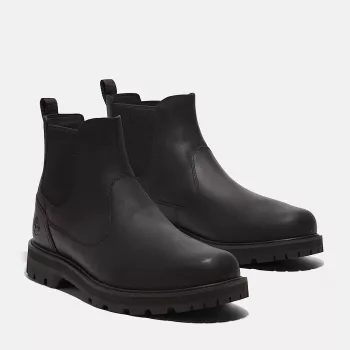
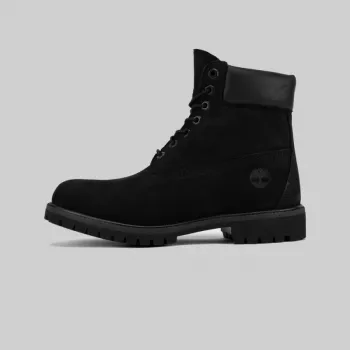
Many Timberland boots are made with real leather, especially the brand’s classic work and heritage styles. In most cases, Timberland uses full-grain or premium leather uppers, which are genuine animal leather materials valued for durability, structure, and the way they break in over time.
How to tell if a specific Timberland boot is real leather
Because Timberland sells a wide range of boots, the safest way to confirm materials is to check the product listing for that exact model. Look for wording like “premium leather,” “full-grain leather,” or “nubuck leather” in the upper material. If the listing mentions “synthetic,” “textile,” or “PU,” that model may be partially or fully non-leather.
Why Timberland uses leather (and what it means for wear)
Leather is common in Timberland boots because it holds its shape, resists abrasion, and can handle repeated flexing better than many fabrics. Real leather also develops a natural patina and typically molds to the foot as it breaks in, which can improve comfort and fit over time. That said, leather still needs basic care—cleaning, conditioning, and protection—to stay supple and avoid drying or cracking.
Are all Timberland boots leather?
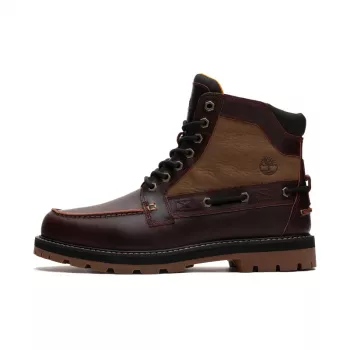
No. Some Timberland boots and hikers include textile panels, synthetic uppers, or mixed-material construction for lighter weight or different performance needs. Even on leather models, you may see non-leather components like rubber outsoles, synthetic linings, or fabric collars.
For deeper details on leather types, fit, traction, and practical upkeep, see the complete guide here: Timberland men’s leather boots fit, grip, and care guide.
For Timberland Boots: Real Leather or Synthetic?, the best answer depends on fit, material, care instructions, and how the product will be used day to day.
FAQ
How do you care for Timberland leather boots?
Brush off dry dirt, wipe with a damp cloth, and let them air-dry away from heat. Use a leather-specific conditioner occasionally, and apply a water and stain protector designed for leather or nubuck to help prevent spotting and salt marks.













Leave a comment