Vet Advice on Self-Cleaning Litter Boxes: Pros & Cons
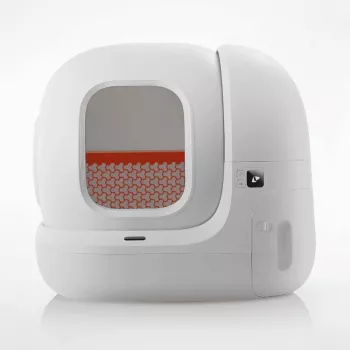
Do vets recommend self-cleaning litter boxes?
Many veterinarians are comfortable with self-cleaning litter boxes, but with a few important caveats. The biggest “yes” tends to be for busy households where scooping gets skipped, because a cleaner box often means better litter box habits and less odor. That said, vets also emphasize that no machine replaces basic monitoring—changes in clumps, stool quality, and frequency can be early signs of medical issues.
When a self-cleaning box can be a good idea
Veterinarians often like the concept when it helps keep litter consistently clean, especially in multi-cat homes where one cat may refuse a dirty box. A self-cleaning unit can also reduce ammonia buildup by removing waste more quickly than once-daily scooping. For some owners, convenience is the difference between “sometimes scooped” and “always clean,” and that’s a meaningful improvement for most cats.
Common vet concerns to keep in mind
Vets commonly recommend introducing any automated box slowly. Some cats are noise-sensitive or startled by movement, and stress can trigger avoidance or accidents. Another concern is health tracking: if a box empties waste into a closed drawer, it’s easier to miss subtle changes unless the owner checks the waste regularly. Finally, safety matters—choose a model with reliable sensors and a design that won’t cycle while a cat is inside.
How to use one in a vet-friendly way
Keep at least one familiar, non-automated box available during the transition and for cats that prefer it. Clean the waste drawer and replace liners on schedule, and fully wash the globe/pan periodically to prevent buildup. If your home has multiple cats, consider usage capacity and app-based tracking so it’s easier to notice patterns. For a deeper look at features that can make a difference in multi-cat setups, visit this guide to app-controlled self-cleaning litter boxes for multi-cat homes.
FAQ
How often should you empty the waste drawer in a self-cleaning litter box?
Most homes do well emptying it every 2–7 days, depending on the number of cats and drawer size. If you notice odor or a full bag indicator, empty it sooner to keep the box appealing.













Leave a comment