App-Controlled Self-Cleaning Litter Box for Multi-Cat Homes
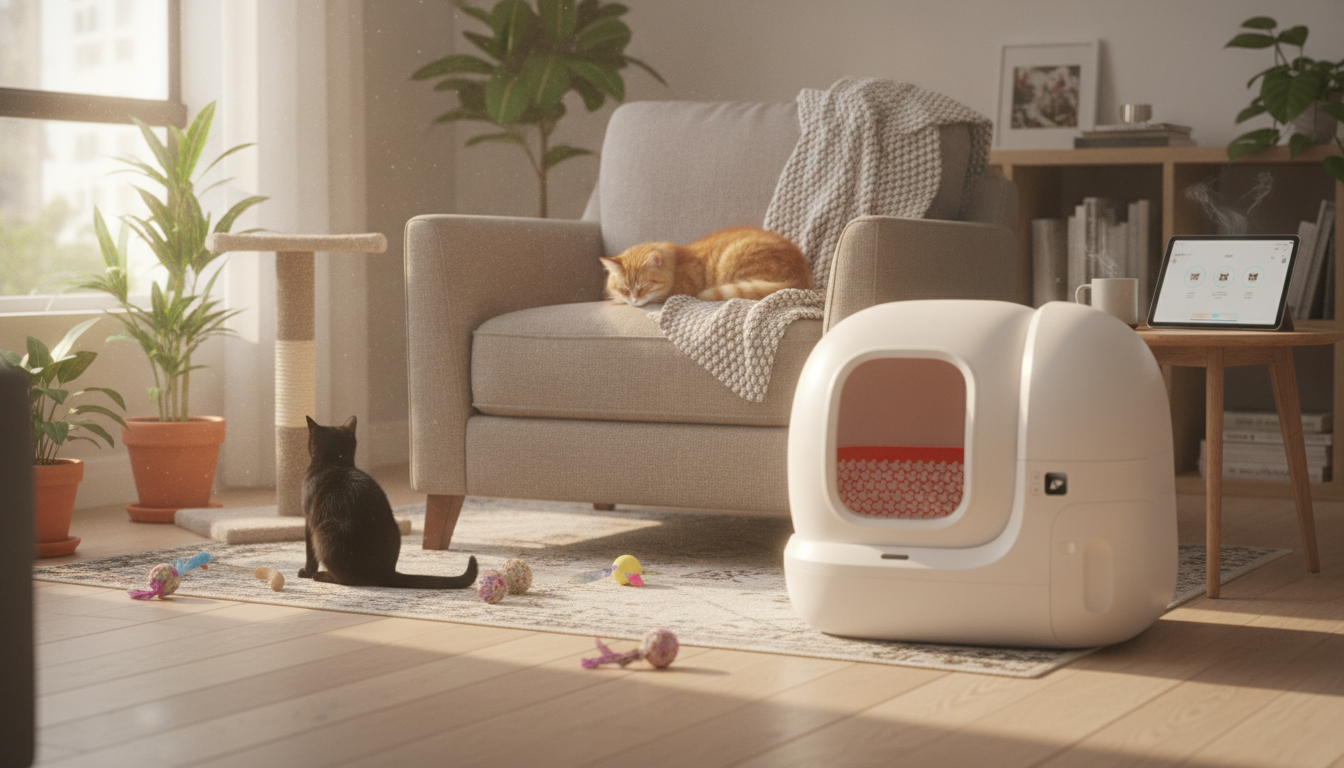
Smart Self-Cleaning Cat Litter Box with App Control for Multiple Cats
A hands-off litter routine can make a multi-cat home calmer, cleaner, and easier to manage. This smart self-cleaning litter box pairs automatic scooping with app-based tracking to reduce daily chores, support consistent hygiene, and help spot changes in bathroom habits early—without constant guesswork.
What a smart self-cleaning litter box changes in a multi-cat home
When several cats share one space, the litter box becomes a high-traffic zone. A smart, self-cleaning unit shifts the experience from “someone needs to scoop again” to a steadier baseline of cleanliness that’s easier for cats to trust.
- Cuts down on manual scooping while keeping the box consistently usable for the next cat
- Helps reduce odor spikes by removing waste on a schedule rather than waiting for a full clean
- Adds visibility into bathroom patterns that can get missed when several cats share space
- Supports busy households by shifting care from “remember to scoop” to “monitor and maintain”
Core features to look for (and why they matter)
Not all automatic boxes feel the same in day-to-day life. The best results come from a mix of dependable mechanics and practical maintenance design—especially when the box is used multiple times per day.
- Automatic cleaning cycle: clears clumps and waste after use or on a set interval, helping the litter stay more consistent between full refreshes.
- Sealed waste storage: helps contain smells between bag changes, which matters more when usage is frequent.
- App control and notifications: check status, start a clean, and track reminders remotely so upkeep doesn’t depend on memory.
- Multiple-cat tracking: useful when several cats share one unit and habits vary (especially if one cat is prone to stress).
- Easy-access interior: smooth surfaces and removable parts make deep cleaning faster and reduce lingering residue.
App control that’s actually useful day-to-day
App features aren’t just “nice to have” when your home runs on routines. They’re most valuable when they reduce little frictions: wondering if the box ran, forgetting to change the bag, or missing subtle changes during a hectic week.
- Status at a glance: see whether the unit is ready, running a cycle, or needs attention.
- Cleaning on demand: trigger a cycle before guests arrive or after a high-traffic period.
- Maintenance prompts: waste bag/full-bin reminders and cleaning interval nudges help prevent the “how did it get that bad?” moment.
- Habit awareness: track usage patterns to notice changes that may warrant closer observation.
Multiple cats, one box: practical realities
Some multi-cat homes do well with one automated unit; others still benefit from more than one box. Placement, household layout, and personality dynamics matter just as much as the hardware.
- Traffic flow: place the unit where cats won’t corner each other; avoid tight hallways and dead ends.
- Routine stability: keep the box in a consistent location to reduce avoidance or “protest” accidents.
- Household fit: multi-cat homes may still benefit from more than one box depending on space and temperament.
- Monitoring: app-based history is helpful when one cat is prone to stress or changes in elimination habits.
For general litter-tray setup guidance and common behavior pitfalls, International Cat Care’s litter tray advice is a solid reference point.
Comfort, safety, and cat acceptance
The cleanest litter box in the world doesn’t help if a cat refuses to use it. Acceptance often comes down to comfort details and how predictable the unit feels.
If litter box avoidance or sudden changes pop up, Cornell’s overview of litter box problems is a helpful starting point for what to watch for and when to seek veterinary advice.
Setup checklist and first-week routine
Cleaning and maintenance: what to expect
For broader everyday cat-care best practices (including hygiene and routine health monitoring), the AVMA’s cat care resources offer a good baseline.
Litter compatibility and odor control tips
At-a-glance comparison: manual vs. self-cleaning with app control
| Factor | Manual litter box | Smart self-cleaning with app control |
|---|---|---|
| Daily effort | Frequent scooping needed to keep it usable | Cycles remove waste automatically; check bin and litter level |
| Odor control | Depends heavily on how often it’s scooped | More consistent waste removal can reduce odor spikes |
| Multi-cat tracking | Hard to tell which cat used it and how often | App history can help spot changes in usage patterns |
| Household convenience | Simple, low tech | Remote monitoring, reminders, and on-demand cleaning |
| Ongoing upkeep | Litter refresh and box cleaning | Litter plus waste-bag/liner changes and periodic deep cleaning |
Who this is best for (and when to choose a different setup)
Recommended in-stock picks
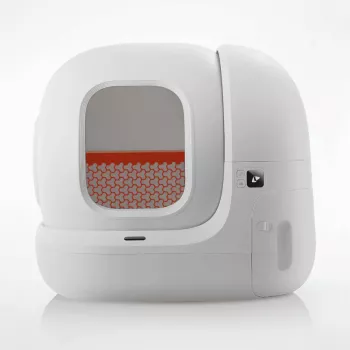
- Smart Self-Cleaning Cat Litter Box with App Control for Multiple Cats
- Elevated Ceramic Pet Bowl with Solid Wood Stand
Small upgrades that pair well with a cleaner litter routine
FAQ
Can multiple cats share one self-cleaning litter box?
Yes in many homes, but results depend on cat temperament, traffic volume, and placement. Monitor usage and consider adding a second box if crowding, guarding, or avoidance appears.
How long does it take cats to get used to an automatic litter box?
Some adapt immediately; others need a gradual transition over several days to a couple of weeks. Keep the location consistent, start with familiar litter when possible, and reduce sudden cycle timing during the first week.
What maintenance is still required with a self-cleaning litter box?
Waste-bin/bag changes, topping up litter, wiping down interior surfaces, and periodic deep cleaning are still needed. Automation reduces scooping but does not eliminate cleaning entirely.














Leave a comment