2-in-1 Rechargeable Epilator & Body Razor: Smooth Fast
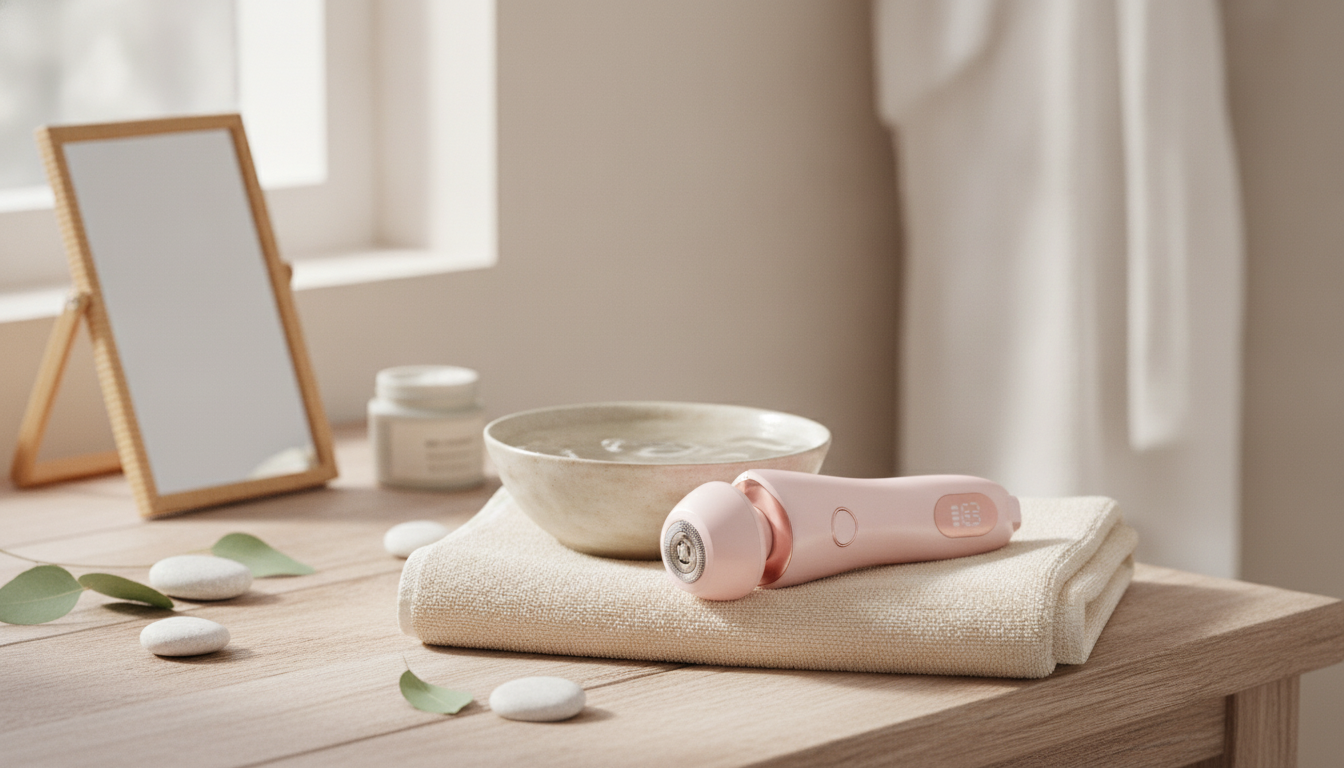
Smoother Skin, Less Fuss: Why a 2-in-1 Device Works
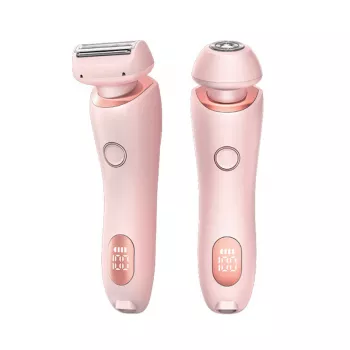
A 2-in-1 rechargeable epilator and body razor is designed for real-life routines: longer-lasting hair removal when you have a few extra minutes, and quick smoothing when you don’t. Epilation pulls hair from the root, which can keep skin feeling smoother longer than shaving, while the razor head helps with fast touch-ups and day-to-day maintenance. Together, they make it easier to stay consistent without juggling multiple tools.
Dermatologists generally recommend choosing hair-removal methods based on your skin sensitivity and the area you’re treating. If you’re comparing options, the American Academy of Dermatology Association offers helpful overviews of shaving and other methods, including tips to reduce irritation.
What a 2-in-1 Epilator + Body Razor Does
Epilator mode removes hair from the root. That typically means smoother results that last longer than shaving, and many people notice regrowth can feel less blunt over time. Razor mode trims hair at the surface, which is useful for fast smoothing, quick fixes, or sensitive days when you’d rather avoid root removal.
A rechargeable design adds flexibility: cordless use can be more comfortable for legs, underarms, and travel, and it helps you keep your routine moving without hunting for an outlet.
When to Use Epilation vs. Shaving
Use epilation when you want longer wear—think legs and arms when you can take your time and move slowly. Use shaving mode for quick touch-ups, very fine hair, or times when your skin feels extra reactive. Many routines work best as a mix: epilate for the “main” removal, then shave to maintain as hair returns.
Timing matters. Epilation can cause temporary redness, especially at first, so planning a session a day before an event can help your skin look calmer when it counts.
| Feature | Epilator mode | Razor mode |
|---|---|---|
| Where hair is removed | From the root | At the skin surface |
| How long results can last | Typically longer than shaving | Typically shorter than epilation |
| Best for | Legs/arms, longer wear | Fast touch-ups, frequent maintenance |
| Comfort tips | Short hair length, exfoliate, hold skin taut | Use light pressure, short strokes, moisturize after |
Prep for Smoother Results (and Less Irritation)
Prep is where comfort usually improves the most. Exfoliate 12–24 hours beforehand to help reduce the look of ingrowns, but avoid harsh scrubs right before removal if your skin stings easily. For epilation, clean, dry skin often works best because the device can grip hair more effectively. For shaving, follow your device guidance and resist pressing hard—pressure is a common cause of razor burn.
If hair is long, trim first so the head can work more efficiently and with less tugging. Also skip fragranced lotions, deodorants, or self-tanner immediately before you start; freshly treated skin can feel more reactive.
Step-by-Step: Using a Rechargeable Epilator Safely
1) Do a small test patch
Try a small area first (like a lower leg section) to gauge sensitivity and get a feel for the correct angle and speed.
2) Keep skin taut and move slowly
Hold skin taut with your free hand. Move the epilator slowly against the direction of hair growth—rushing tends to increase discomfort and leave stray hairs behind.
3) Use lighter pressure than expected
Let the device do the work. Excess pressure can increase pinching and irritation, especially on curves and softer skin.
4) Calm the skin afterward
Use a clean, cool compress for a few minutes, then apply a gentle, fragrance-free moisturizer to support the skin barrier.
Step-by-Step: Using the Body Razor for Quick Touch-Ups
For shaving mode, keep strokes short and controlled, using light pressure to reduce nicks and razor burn. If the head collects hair, rinse or brush it away so it keeps cutting cleanly. Afterward, moisturize to reduce dryness and tightness. If your skin is prone to stinging, avoid applying strong acids (AHA/BHA) immediately after shaving.
Best Areas and Technique Tips
Legs
Legs are often the easiest place to start. Work in sections, keep a steady pace, and don’t chase every single hair in the first pass—do a second gentle pass if needed.
Underarms
Underarm skin is delicate. Keep the area dry, pull skin taut, and consider shaving mode on sensitive days or when you’re in a hurry.
Arms
Arms can respond well to epilation for a neat finish. Moisturize afterward to prevent dryness, especially if you exfoliate regularly.
Bikini line
Sensitivity varies widely. Start conservatively: try shaving mode first or epilate a small test area before committing to the full bikini line. Avoid going over the same spot repeatedly.
Aftercare to Help Prevent Bumps and Ingrowns
Ingrowns can happen with several methods; the Mayo Clinic explains common causes and when to seek care. If you notice worsening pain, spreading redness, swelling, or pus, get medical advice.
Cleaning, Charging, and Storage
A Practical Pick for Everyday Grooming
If you’re ready to streamline your routine, take a look at the 2-in-1 Rechargeable Hair Removal Epilator & Body Razor for Women. For a style pairing that shows off smooth legs in cooler weather, the Dr. Martens Women’s Black Leather Boots are a classic option.
FAQ
Does epilating hurt the first time?
Discomfort is common at first and often decreases with repeat sessions. Start with legs, move slowly, hold skin taut, and use cool compresses plus gentle moisturizer afterward to calm redness.
Can an epilator cause ingrown hairs?
It can happen, especially if skin is dry or there’s a lot of friction afterward. Gently exfoliate after 24 hours, moisturize consistently, and avoid tight clothing immediately after use.
How often should epilation be done?
It depends on your hair growth rate and personal preference. Many people epilate when regrowth becomes noticeable and use shaving mode for quick touch-ups in between.














Leave a comment