Low EMF: Is It Bad for You? What “Low” Really Means

Is low EMF bad for you?
Generally, low EMF (electromagnetic field) isn’t considered “bad” for you—and in many cases, “low EMF” is a desirable feature when you’re choosing electronics or wellness devices. EMF is produced by anything that uses electricity, from your phone charger to appliances. “Low EMF” typically means the product is designed to minimize unnecessary electromagnetic emissions or keep them well below commonly referenced guidelines.
Concerns about EMF often come down to exposure level, distance, and duration. Most everyday household devices create EMF that drops off quickly as you move away from the source. A low-EMF design can help reduce exposure even further, especially for products used close to the body or for longer sessions.
What “low EMF” usually means in practice
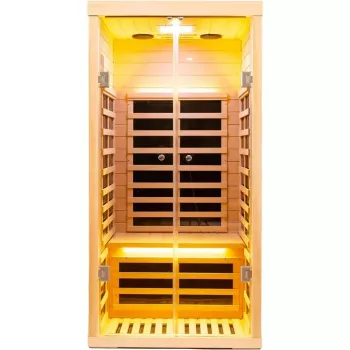
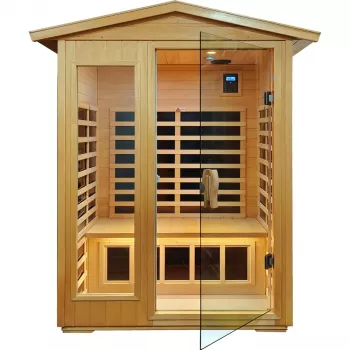
Manufacturers may reduce EMF through shielding, component layout, grounding, and power management. With wellness products such as far infrared saunas, low-EMF engineering can be a sign the brand has paid attention to electrical design details—not just heat performance or aesthetics.
When low EMF matters most
Low EMF can be most relevant when a device is used in close proximity (within inches) or for extended periods—like wearables, heating pads, or sauna sessions. If you’re sensitive to your environment or simply want to be cautious, choosing lower-emission options is a practical, low-regret decision.
How to evaluate a low-EMF claim
Look for specific measurements and where they were taken (for example, at the control panel, at the bench, or at a set distance). Vague statements without numbers are harder to verify. For a concrete example of how a low-EMF sauna is designed and used, see the main guide here: https://unitare.com/guide-2-3-person-low-emf-far-infrared-sauna-tempered-glass-app-control-guide/.
FAQ
What’s the difference between low EMF and zero EMF?
“Low EMF” means emissions are reduced; “zero EMF” is rarely realistic for powered devices because electricity and current inherently create fields. The more important detail is measured levels and how quickly they drop with distance.














Leave a comment