Mixing Metal Finishes in Furniture: Simple Room Checklist
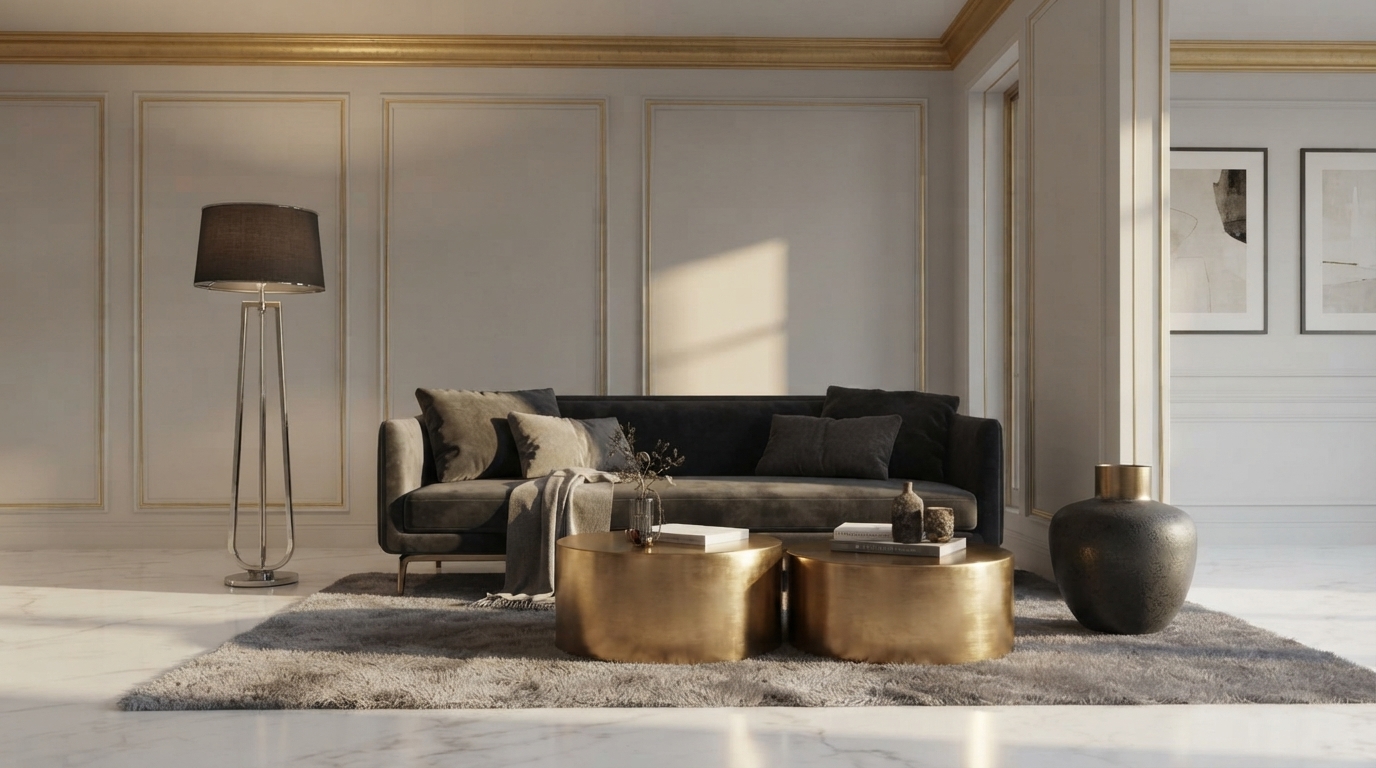
How to Mix Metals in Furniture: A Practical Checklist for a Cohesive Home
Mixing metal finishes can make a room feel layered and intentional—when the combinations are controlled. The difference between “curated” and “cluttered” usually comes down to having a simple plan: choose a dominant metal, add a supporting finish, and repeat both in a balanced way across furniture, lighting, hardware, and decor. For more guidance, see DGI Design x Build — Guide to Mixing Metals – devon grace interiors.
Start with a clear “metal plan”
Before adding or replacing anything, decide what role each finish will play. A plan keeps you from accidentally collecting a fourth (or fifth) metal that never shows up again. For further reading, see Designer Guide to Mixing Metals by Room.
- Pick one dominant metal that will appear most often (about 50–60% of visible metal).
- Choose one supporting metal (about 30–40%) to add contrast without competing.
- Optional: add one accent metal (about 10%) for small moments like frames, trays, or lamp details.
- Decide early where metals will show up: furniture legs, cabinet pulls, lighting, faucets, mirror frames, and decor objects.
If you want a quick, shop-friendly way to track your plan, use a downloadable reference like How to Mix Metals in Furniture Checklist (digital download) so you can keep finishes consistent from room to room.
Choose finishes that play well together
Not all mixes look “wrong”—some simply lack a shared undertone or consistent texture. Focus on compatibility first, trend second.
- Match undertones: warm metals (brass, gold, copper) pair naturally with warm woods, creams, and earthy palettes; cool metals (chrome, polished nickel) suit crisp whites, blues, and gray-based palettes.
- Use black metal as a bridge: matte black helps warm and cool metals coexist without looking accidental.
- Mix sheen on purpose: pairing one shiny finish with one brushed/matte finish reduces visual noise.
- Treat metal like a color: too many high-contrast finishes in the same sightline can feel busy.
For additional guidance on layering finishes and materials, see resources from The Spruce and Architectural Digest.
A room-by-room checklist that keeps everything consistent
Different rooms “tolerate” different levels of contrast. Use these quick checks to stay cohesive.
- Entry: keep to two metals—one on lighting or a mirror frame, one on furniture hardware or console legs.
- Living room: repeat your dominant metal at least twice (e.g., coffee table base + floor lamp), then echo the supporting metal in smaller pieces (e.g., picture frames).
- Dining room: let the chandelier set the dominant metal; keep chair nailheads, bar cart frames, or cabinet pulls aligned to the plan.
- Kitchen: prioritize cohesion between faucet, cabinet hardware, and pendants; allow a different metal only if it repeats elsewhere in the open concept.
- Bedroom: use the bed frame and lighting as anchors; keep drawer pulls and mirror frames within the chosen family of finishes.
- Bathroom: small space rules—two metals usually looks best; keep the faucet and mirror frame aligned, and use the second metal on lighting or hardware.
Mixing metals in furniture: quick rules that prevent “cluttered”
Furniture metals are often larger and more eye-catching than cabinet pulls or decor. That makes them powerful—and easier to overdo.
- Limit furniture statement metals: if the coffee table is bold brass, keep side table legs and media console hardware quieter (black or brushed).
- Repeat each metal at least twice: repetition is what makes mixed metals read as intentional (brass on table legs and on a lamp base, for example).
- Avoid competing focal metals in the same zone: choose one “hero” piece per seating area or per wall.
- Use texture to unify: hammered brass, brushed nickel, and matte black can feel cohesive when the palette and shapes are consistent.
One practical trick: introduce mixed materials in small, everyday items so the room feels naturally layered. A piece like an Elevated Ceramic Pet Bowl with Solid Wood Stand quietly reinforces a warm wood tone alongside a clean, modern surface—helpful in open spaces where multiple finishes share sightlines.
Common pairings (and what to watch for)
| Combination | Best for | Keep it cohesive by | Avoid when |
|---|---|---|---|
| Brass + Matte Black | Modern, transitional, Scandinavian | Repeat black in outlines (frames/legs) and brass in small highlights | Both finishes are glossy and high-contrast everywhere |
| Brushed Nickel + Brass | Classic kitchens, updated traditional | Let nickel be the “background” and brass the accent (or vice versa) | Equal amounts in the same sightline (pendants + pulls + faucet all mixed) |
| Chrome + Black | Contemporary, minimal spaces | Use consistent shapes (cylinders, thin frames) and repeat twice each | Room is already cold (gray floors + cool paint) without warm balance |
| Copper + Brass | Warm, eclectic, boho | Different textures (hammered vs smooth) and distinct placements | Finishes are too similar and read as mismatched rather than layered |
A simple “final pass” before calling it done
If you want a faster decision path while shopping (especially in open-concept homes), keep a printable plan on hand—like the How to Mix Metals in Furniture Checklist (digital download)—to avoid bringing home a finish that doesn’t connect to anything else.
Downloadable checklist for faster decisions
FAQ
How many metal finishes should be in one room?
Two finishes is the easiest formula: a dominant metal and a supporting metal. A third accent can work when it’s small and repeated lightly, but many small rooms look best with just two.
Can warm and cool metals be mixed together?
Yes—mix warm and cool metals by aligning them with the room’s overall undertone, using black as a bridge, and repeating each finish at least twice so it feels deliberate.
What’s the easiest way to fix a room that feels mismatched?
Reduce the room to two main finishes, then repeat each one across at least two touchpoints (like furniture legs and lighting). If it still feels busy, swap one shiny item for brushed/matte and use small accessories to create intentional repetition.











Leave a comment