Vans Women’s Lilac Leather Sneakers: Comfort & Styling
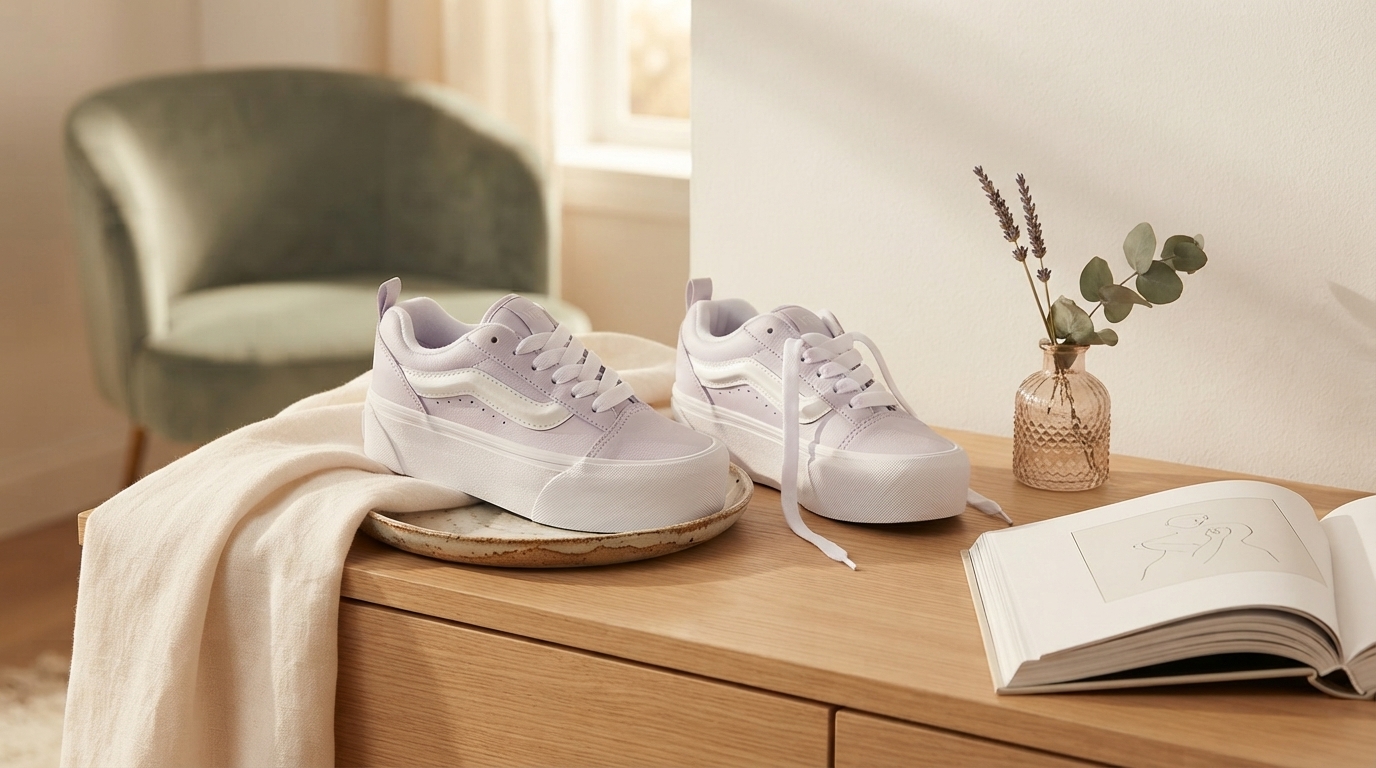
Vans Women’s Lilac Leather Sneakers: a polished twist on an everyday classic
Lilac leather sneakers bring a softer color palette to the classic low-profile skate silhouette while keeping everyday durability in mind. The result is a pair that looks a little more elevated than canvas while still feeling easygoing enough for daily wear. Below are practical notes on materials, comfort and fit, outfit pairings that make lilac feel effortless, and simple care steps that help keep the leather clean and vibrant. For more guidance, see Stylish White Sneakers for Women – There She Goes Again.
Quick look: what stands out
- Lilac leather upper for a polished, easy-to-style finish
- Everyday sneaker profile that works with casual and smart-casual outfits
- Comfort-focused design suited for errands, commuting, and weekend wear
- Best results with basic leather care to prevent scuffs and color transfer
If you’re shopping specifically for this colorway, start here: Vans Women’s Lilac Leather Sneakers. For further reading, see Vans Lilac Low-Top Sneakers with White Stripe – Women.
Materials and build
Leather uppers tend to hold their shape better than many fabric uppers, and they’re often easier to wipe down after a dusty day. That makes lilac leather a great option for anyone who likes light colors but doesn’t want a shoe that shows every bit of wear immediately.
That said, lighter dyes and finishes can highlight dark scuffs more than darker shades. Routine spot-cleaning goes a long way: a quick wipe after wear helps prevent marks from setting into the surface. It’s also smart to keep an eye on stress points—like the toe flex area and around the eyelets—since that’s where stitching and creasing typically show up first on daily-rotation sneakers.
Before wearing a new pair outside, do a quick visual check around the sole edge (the foxing and bonding line). It should look evenly attached with no gaps, and the traction should feel stable underfoot.
At-a-glance product details
| Detail | What to know |
|---|---|
| Product | Vans Women’s Lilac Leather Sneakers |
| Price | $66.01 USD |
| Availability | In stock |
| Best for | Daily wear, casual outfits, light walking |
Comfort, fit, and break-in
Leather often feels a bit stiffer at first compared to canvas. After several wears, it typically softens and flexes more naturally with your foot. For the best fit, aim for a secure heel (minimal slip when walking) and enough toe room to wiggle. The toe box shouldn’t pinch at the sides—especially if you plan to wear thicker socks in cooler months.
If you’re between sizes, consider your typical styling: no-show socks versus crew socks can change the feel, and adding an insole can take up extra volume inside the shoe. For longer days, a supportive insole can improve comfort if you want more arch support, but be sure the shoe still feels comfortably secure rather than tight across the top of the foot.
One practical break-in tip: wear them indoors for short intervals at first. You’ll quickly learn whether the heel is stable and whether you need thinner socks or a slight lace adjustment before committing to a full day out.
How to style lilac leather sneakers
Lilac reads playful, but in leather it can also look surprisingly clean and “put together.” Think of it as a neutral-adjacent accent—soft enough to blend, distinct enough to add personality.
- Neutral base: Pair with black, white, gray, or denim so the lilac stays the focal point without feeling loud.
- Soft-tones look: Combine with cream, beige, or pastel tops for an easy, spring-ready palette that feels intentional.
- Contrast look: Wear with darker wide-leg trousers or a black skirt to make the sneaker color pop.
- Accessory match: Tie in lilac with a small accent (a clip, bag detail, or subtle jewelry) rather than matching head-to-toe.
For smart-casual outfits, lilac leather can balance out sharper pieces—like a blazer and straight-leg jeans—without making the outfit feel too formal.
Care and cleaning for lilac leather
Keeping lilac leather looking bright comes down to gentle, regular upkeep. Since light finishes can show transfer and scuffs sooner, it helps to treat marks early instead of rubbing aggressively later (which can dull the surface).
Simple care routine
| When | What to do |
|---|---|
| After wear | Wipe with a clean dry cloth; remove surface dust |
| Weekly (or as needed) | Spot clean with mild soap and damp cloth; air-dry |
| Monthly | Apply leather conditioner lightly (if recommended for the finish) |
| Seasonally | Reapply leather-safe protector; check sole edges for separation |
For additional guidance from trusted sources, see Cleveland Clinic’s leather cleaning basics and Nike’s general tips on how to clean shoes. For brand background and style references, you can also visit the Vans official site.
When to choose leather vs. canvas
Price and value notes
More in-stock picks
- Vans Women’s Lilac Leather Sneakers — an easygoing staple with a polished leather finish
- 23-Piece Professional Makeup Brush Set — a practical add-on for a tidy everyday routine
- Elevated Ceramic Pet Bowl with Solid Wood Stand — a clean, minimal home upgrade for pet setups
FAQ
Do lilac leather sneakers scuff easily?
Lighter colors tend to show marks more quickly than dark shades, especially near the toe and along the sole edge. Regular wiping and a leather-safe protector can help reduce visible scuffs and staining.
How should leather sneakers be cleaned without damaging the color?
Start by dry brushing or wiping off dust, then spot-clean with a damp cloth and mild soap. Avoid soaking the leather, harsh solvents, and high heat while drying to help protect the finish.
Are leather sneakers comfortable for all-day walking?
They can be, particularly once the leather breaks in and flexes more naturally. If you need extra support, a thin supportive insole can improve comfort as long as the fit still feels secure.














Leave a comment