Cozy Plush Winter Gloves That Stay On Toddler Hands
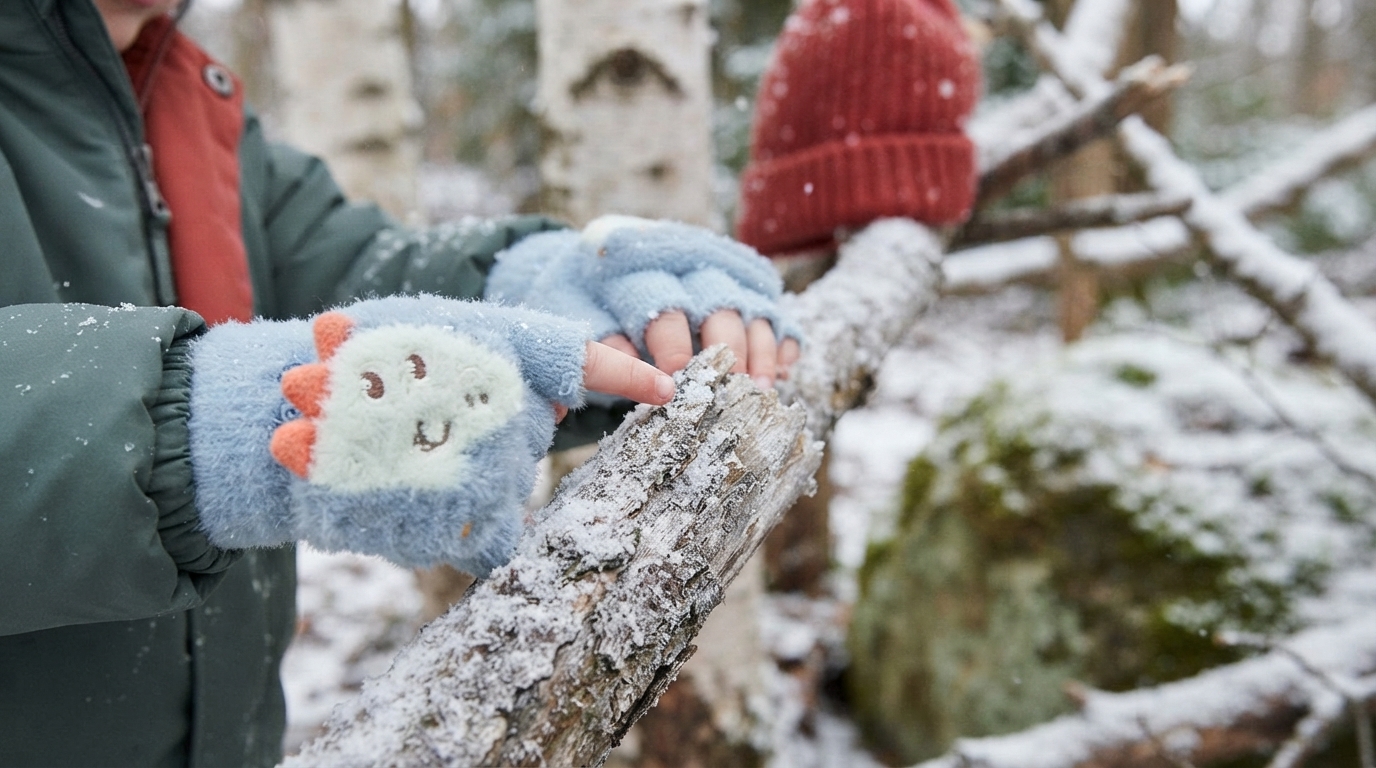
Plush Winter Toddler Gloves for Cozy Outdoor Warmth
Cold hands can turn quick outings into early melt-downs. Plush winter gloves designed for toddlers help keep little fingers warmer, improve comfort in strollers and on playgrounds, and make it easier to enjoy snow-day routines without constant hand-checks. The right pair feels soft the moment they go on, stays put through wiggles and climbs, and blocks those sneaky drafts that slip up jacket sleeves.
What makes toddler winter gloves feel truly cozy
“Cozy” for toddlers is a mix of comfort, warmth, and a fit that doesn’t turn into a daily wrestling match. Small details—like how the lining feels when it first touches skin—often matter as much as insulation.
- Soft plush lining that feels warm on contact and reduces the “cold glove” surprise.
- Insulating outer layers that slow heat loss during windy walks and chilly play.
- A snug (not tight) wrist area that helps block drafts from sneaking up sleeves.
- A toddler-friendly shape that leaves room for small hands while limiting bulky excess.
If a pair checks those boxes, toddlers are more likely to tolerate gloves long enough to actually stay warm—especially during short neighborhood walks and quick playground stops.
Warmth where it counts: lining, insulation, and wind protection
Hands lose heat quickly in cold weather, and wind can make it feel colder fast. That’s why plush lining and a well-sealed wrist often outperform “thin but flexible” options on truly cold days.
- Plush interiors trap warm air close to the skin, improving comfort in low temperatures.
- Wind exposure can cool hands quickly; a glove that closes well at the wrist helps reduce the wind reaching skin.
- Layering matters: gloves work best paired with a warm coat sleeve that overlaps the cuff.
- For snowy conditions, prioritize gloves that stay on and keep wrists covered rather than “perfect dexterity.”
For a quick reality check before heading out, it helps to glance at wind chill guidance from NOAA/NWS and plan gear accordingly: NOAA/NWS Wind Chill.
Getting the fit right for toddlers
A warm glove that slips off is basically a cold glove. Fit should allow small hands to relax and move, without so much extra space that the glove twists, gaps at the wrist, or gets yanked off during play.
- Aim for wiggle room, but not so much extra space that the glove slides off or rotates.
- A secure cuff helps gloves stay on during active play and prevents snow from sneaking inside.
- Check cuff length: it should tuck under or overlap jacket sleeves without bunching.
- If between sizes, choose the size that stays on more securely; oversized gloves often lead to cold hands due to gaps and frequent removal.
Quick fit and comfort checklist
| Fit Check | What to Look For | Why It Helps |
|---|---|---|
| Wrist closure | Snug cuff that isn’t restrictive | Reduces drafts and keeps gloves from slipping off |
| Finger room | Space to wiggle without excess slack | Maintains warmth and comfort during play |
| Sleeve overlap | Cuff sits smoothly under/over coat sleeve | Blocks wind and helps keep snow out |
| Easy on/off | Opens wide enough for quick dressing | Less fuss for caregivers; fewer “I can’t do it” moments |
Comfort and safety for little hands
Warmth is essential, but comfort and safety details keep winter routines calmer—especially for toddlers with sensitive skin or strong opinions about “itchy” seams.
- Soft seams and plush interiors can reduce irritation for sensitive skin.
- Avoid overly tight cuffs that can leave marks or restrict circulation.
- Skip long dangling elements; simpler closures are usually easier for supervised toddler use.
- On very cold or windy days, shorten exposure time and check hands periodically for coldness or discomfort.
General cold-weather safety guidance can be helpful when planning outdoor play time: American Academy of Pediatrics — Winter Safety.
Everyday winter use: stroller rides, playground trips, and snow play
Toddlers use their hands differently depending on the activity—so glove performance should match real life, not just “looks warm on the rack.”
- Stroller walks: gloves prevent chilly fingers during longer rides, especially when little hands aren’t moving much.
- Playground time: a secure wrist helps the gloves stay put through climbing and swinging.
- Light snow play: focus on keeping the wrist area covered; brush off snow before it melts into the lining.
- Backup pair strategy: pack a spare for daycare or travel days when gloves are easy to misplace.
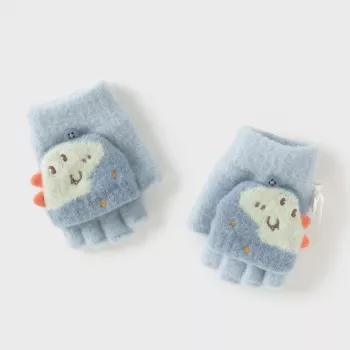
For an everyday option built around plush comfort and cozy warmth, see Plush Winter Toddler Gloves for Cozy Outdoor Warmth.
Care tips to keep plush gloves soft and ready
Plush gloves stay comfier when they dry fully and keep their loft. A few simple habits can help them feel soft all season.
A cozy pick for winter gifting and daily routines
More in-stock picks for everyday gifting
- 23-Piece Professional Makeup Brush Set
- Elevated Ceramic Pet Bowl with Solid Wood Stand
- Luxury Large Dog Stroller
FAQ
How cold is too cold for toddlers to play outside?
It depends on wind chill, layers, and how active your child is, but very low wind chills call for shorter outdoor time and frequent check-ins. Use local wind chill guidance, keep outings brief in extreme cold, and watch for signs like shivering, fussiness, or numbness.
How can gloves stay on a toddler’s hands?
Choose the right size with a snug cuff, layer jacket sleeves over the glove cuff, and keep the “gloves on before outside” routine consistent. Oversized gloves slip off more easily and tend to get pulled off during play.
What should be checked after outdoor play in cold weather?
Check that hands are warm and dry, swap out any damp gloves, and look for skin that’s unusually red, painful, or numb. If symptoms seem concerning or don’t improve after warming up, seek medical guidance.













Leave a comment