Do Vets Recommend Elevated Dog Bowls? When to Use Them
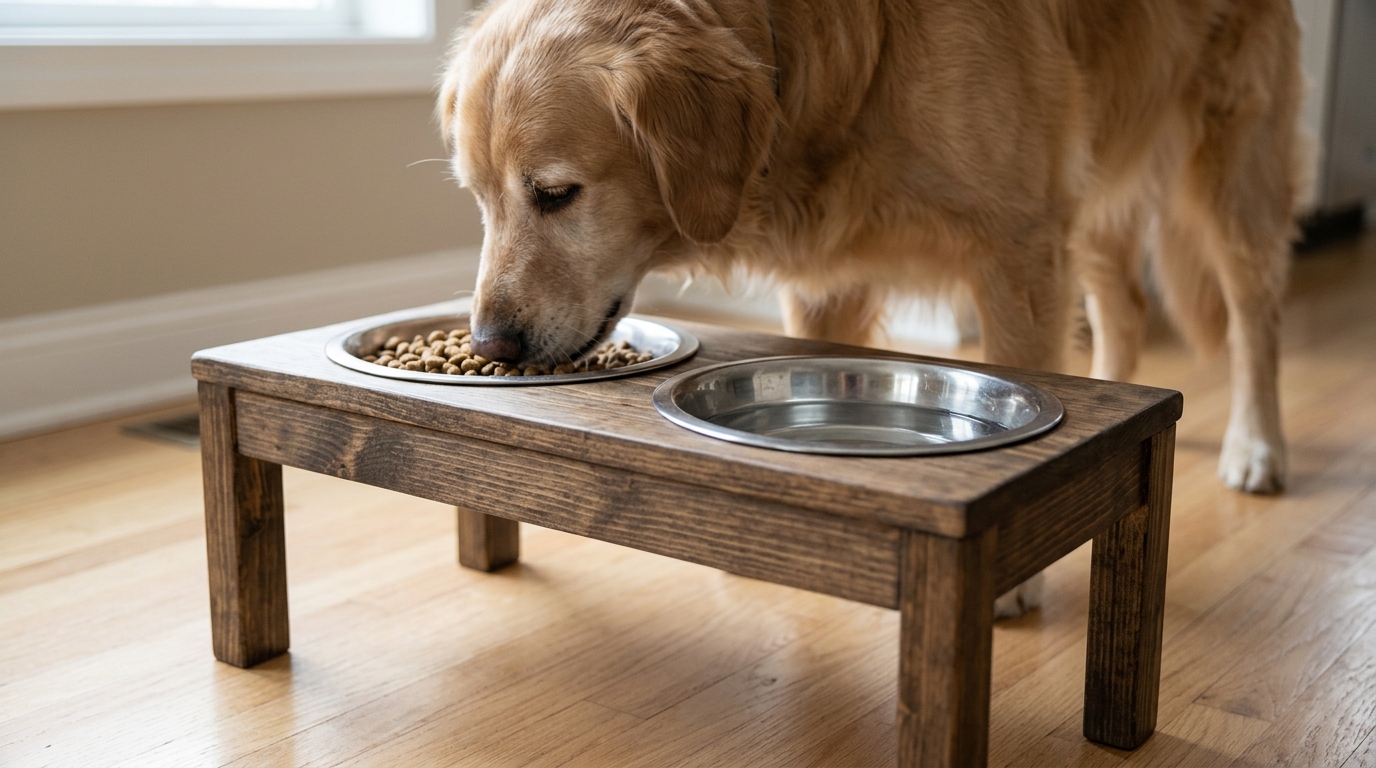
Do vets recommend elevated dog bowls?
Vets sometimes recommend elevated dog bowls, but not as a universal “better for every dog” upgrade. The right height can make mealtimes more comfortable for certain pets, while the wrong setup can create awkward posture and messier eating. Many veterinarians look at your dog’s body shape, age, mobility, and eating habits before suggesting a raised feeder.
When an elevated bowl can be a good vet-approved choice
Raised bowls are commonly suggested for dogs that struggle to reach the floor comfortably. That can include seniors with arthritis, dogs with neck or back pain, very tall breeds, and pets recovering from orthopedic or spinal issues. A properly sized elevated bowl can reduce the need to hunch down, which may help some dogs eat and drink with less strain.
When vets may advise caution
For healthy adult dogs, a floor-level bowl often works perfectly well. Vets may also caution against using a raised feeder if it encourages fast gulping or if the bowl height forces an unnatural head/neck angle. Dogs that already eat too quickly may benefit more from a slow-feeder design than a taller stand.
What “proper height” usually means
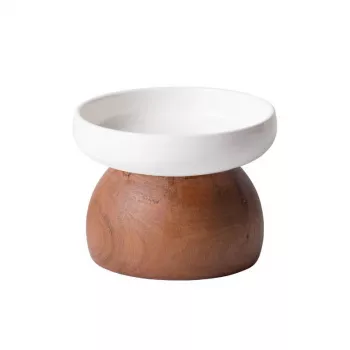
In many cases, the goal is to keep your dog’s head and neck in a neutral, comfortable position while eating—without stretching up or bending sharply down. If your dog seems to brace, splay legs, or step back and forth while eating, the setup may be off. For a deeper walkthrough on choosing an elevated option and materials that are easy to keep clean, visit this elevated ceramic bowl and solid wood stand guide.
Best next step
If your dog has medical issues, a history of bloat, or you’re unsure about height, ask your veterinarian for a personalized recommendation. Bring your dog’s measurements and a short video of mealtime posture to make the guidance more precise.
FAQ
How do I know if my dog’s elevated bowl is too high?
If your dog has to lift the head noticeably, extend the neck upward, or seems to “reach” for the food, the bowl is likely too high. A comfortable setup keeps eating relaxed and stable, without stretching or shifting feet repeatedly.










Leave a comment